Paint protection film gives your vehicle serious defense against road debris, scratches, and environmental damage. But here's the thing—PPF installation mistakes can turn premium protection into an expensive problem that looks worse than having no film at all.
You've probably seen it. Films that lift at the edges, bubbles trapped under the surface, or visible seams that catch your eye from across the parking lot. These issues don't happen because PPF is flawed. They happen because the installation went wrong somewhere along the way.
Understanding what goes wrong during PPF installation helps you spot quality work and appreciate why professional application matters so much for long-term results.
Surface Preparation Errors That Ruin PPF Performance
Most installation problems start before the film even touches your paint. Surface prep determines how well PPF bonds and how long it stays bonded. Cut corners here, and everything that follows suffers.
Inadequate Paint Cleaning
Paint needs to be absolutely spotless before film application. We're talking beyond what regular washing achieves. Contaminants like road tar, tree sap, industrial fallout, and embedded dirt particles create bonding barriers between film and paint.
These contaminants prevent proper adhesion. The film might look fine initially, but within weeks or months, the edges start lifting. Water gets underneath. Dirt accumulates in the gaps. What started as invisible contamination becomes an obvious film failure.
Professional installers use clay bar treatment to remove embedded contaminants that washing misses. This step takes time and attention to detail. Skipping it or doing it poorly sets up failure from the start.
Improper Paint Decontamination
Even after washing and clay bar treatment, paint surfaces contain oils, waxes, and residues from previous protection products. These substances prevent the film adhesive from bonding properly with the clear coat.
The solution involves decontamination products specifically designed for PPF prep. These formulas strip away oils and residues without damaging paint. But they must be applied correctly, given proper dwell time, and removed completely.
Rush this step or use the wrong products, and you create adhesion problems. The film goes on, looks great initially, but fails to bond permanently. Months later, you're dealing with lifting edges and warranty disputes.
Paint Damage Assessment Failures
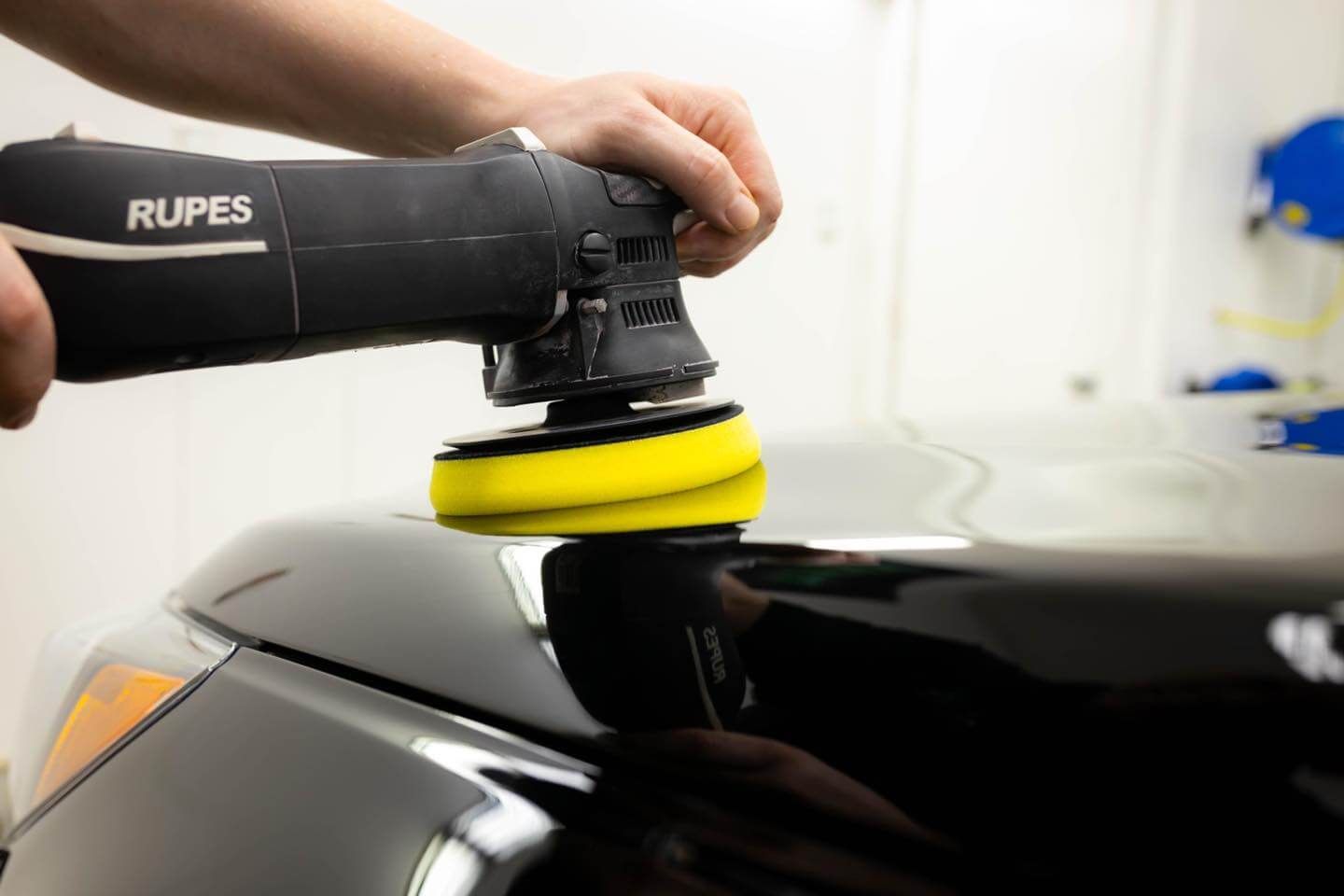
PPF installation reveals every paint imperfection. Chips, scratches, swirl marks, and oxidation all show through clear film. Smart installers assess paint condition before application and recommend paint correction when needed.
Installing PPF over damaged paint locks in those defects. You can't correct them later without removing the film, fixing the paint, and reinstalling fresh film. That's expensive and frustrating for everyone involved.
Quality installers examine paint carefully under proper lighting. They point out existing damage and discuss correction options before committing to installation. This honesty prevents disappointment and protects the installer's reputation.
Film Application Mistakes That Create Visible Defects
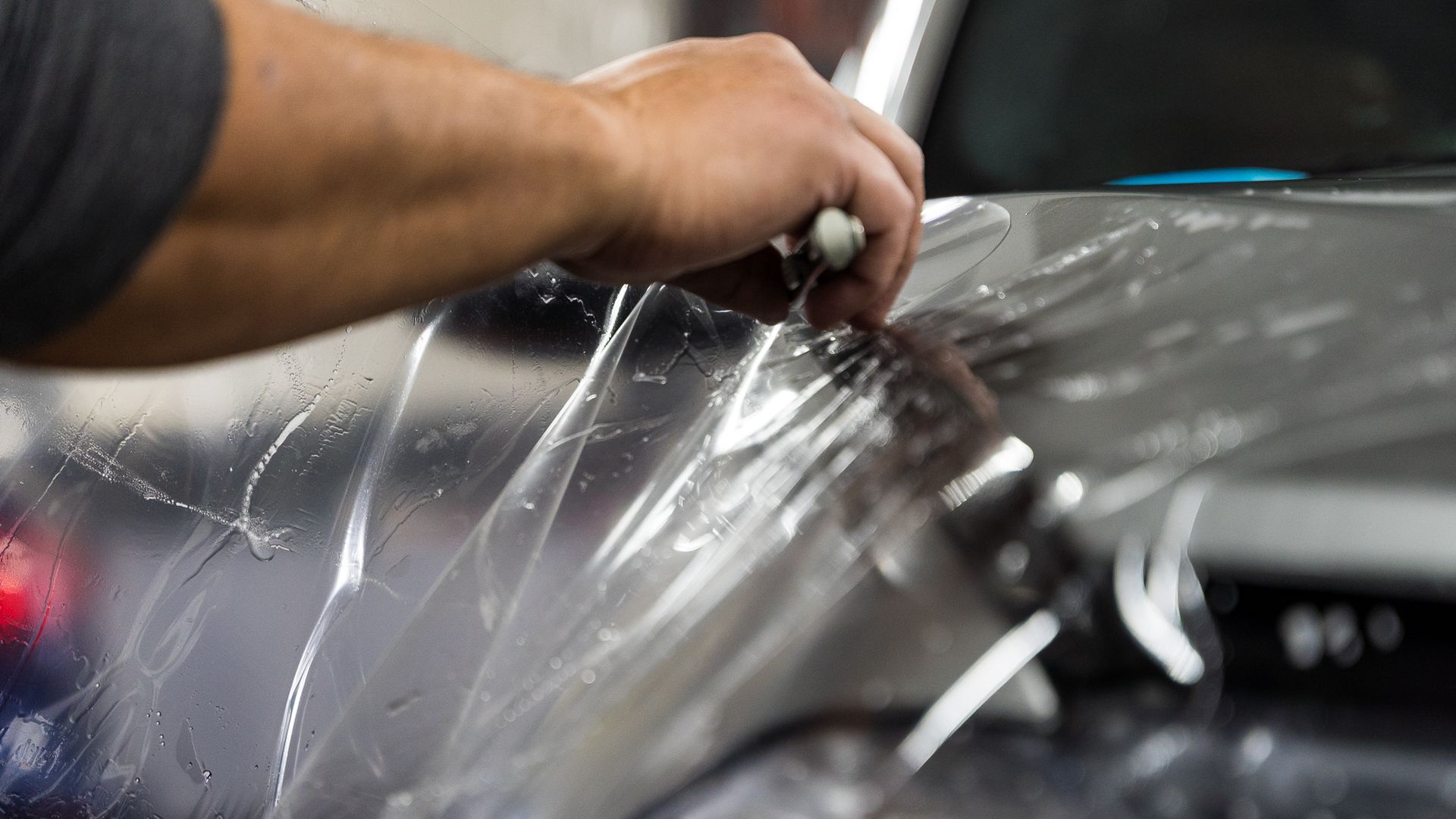
Once prep work is complete, the actual film application presents numerous opportunities for errors. Each mistake creates visible problems that diminish appearance and reduce protection effectiveness.
Contamination During Installation
Film installation happens in controlled environments for good reasons. Dust, lint, hair, insects—anything in the air can land on wet adhesive and get trapped under film. These contaminants create permanent bumps visible on finished installations.
Home garage installations face serious contamination challenges. You might not see dust floating around, but it's there. Once the film adhesive gets exposed, contaminants start landing. Every trapped particle becomes a visible defect.
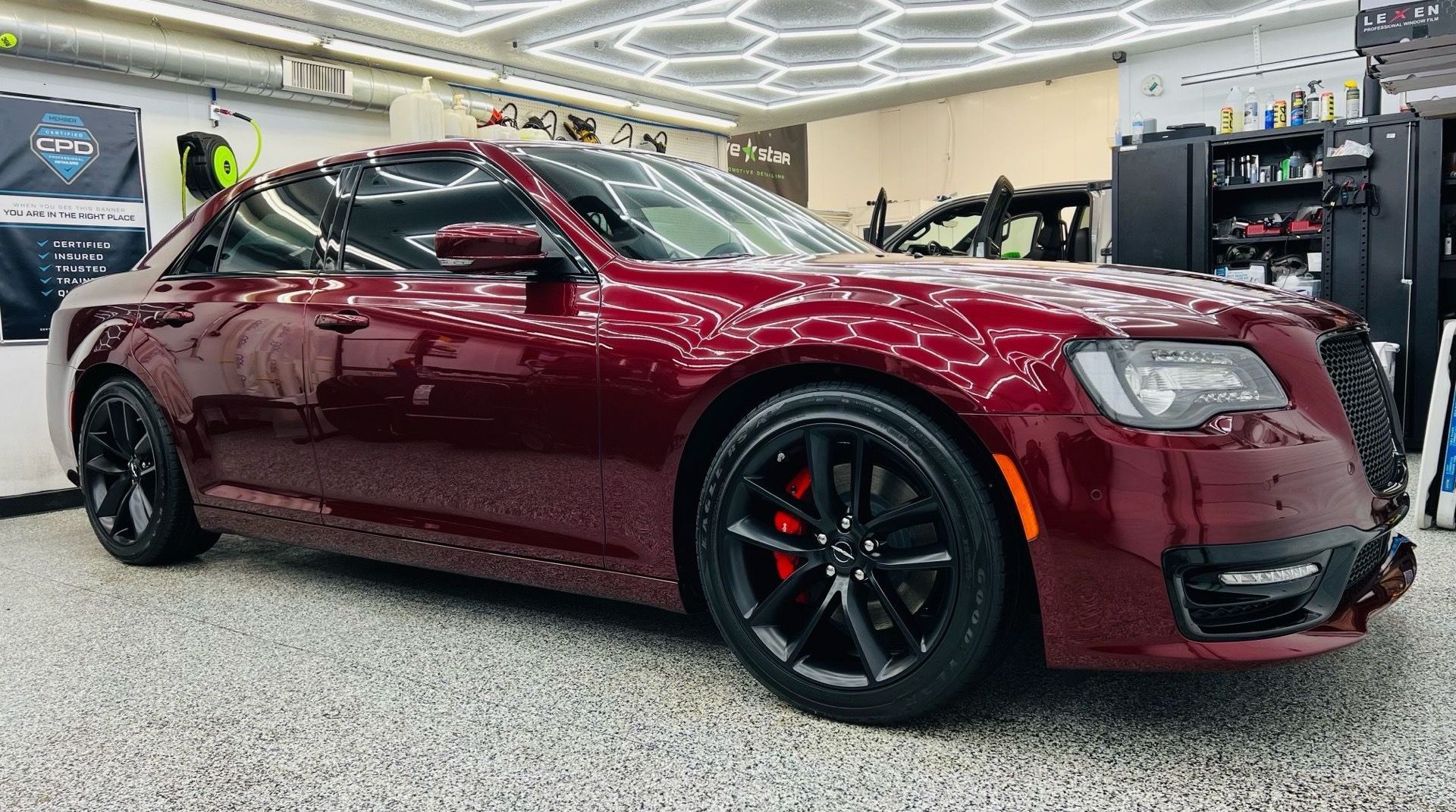
Professional shops use climate-controlled facilities with air filtration. They maintain cleanliness standards that prevent contamination. This controlled environment is something DIY installers simply cannot replicate at home.
Improper Film Stretching and Tension
PPF needs to conform perfectly to vehicle curves and body lines. This requires controlled stretching that maintains consistent tension across the entire piece. Stretch too much in one area, and the film thins out, reducing protection and risking failure.
Uneven tension creates other problems, too. The film might pucker at curves, create waves across flat surfaces, or refuse to lie flat at edges. These issues become permanent once the film adhesive cures fully.
Experienced installers understand how much stretch different film sections tolerate. They apply tension gradually and evenly, using techniques developed through hundreds of installations. This expertise comes from training and practice that DIY enthusiasts don't have.
Squeegee Technique Errors
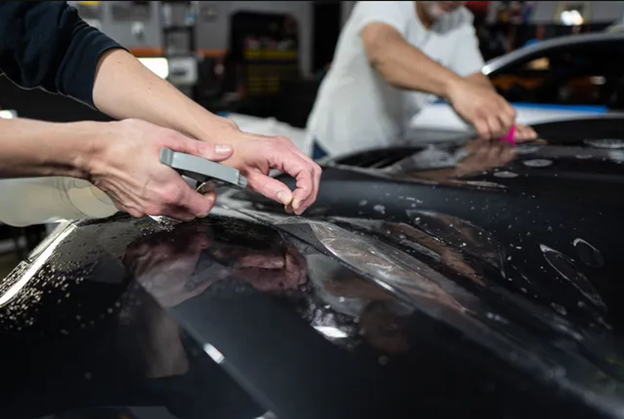
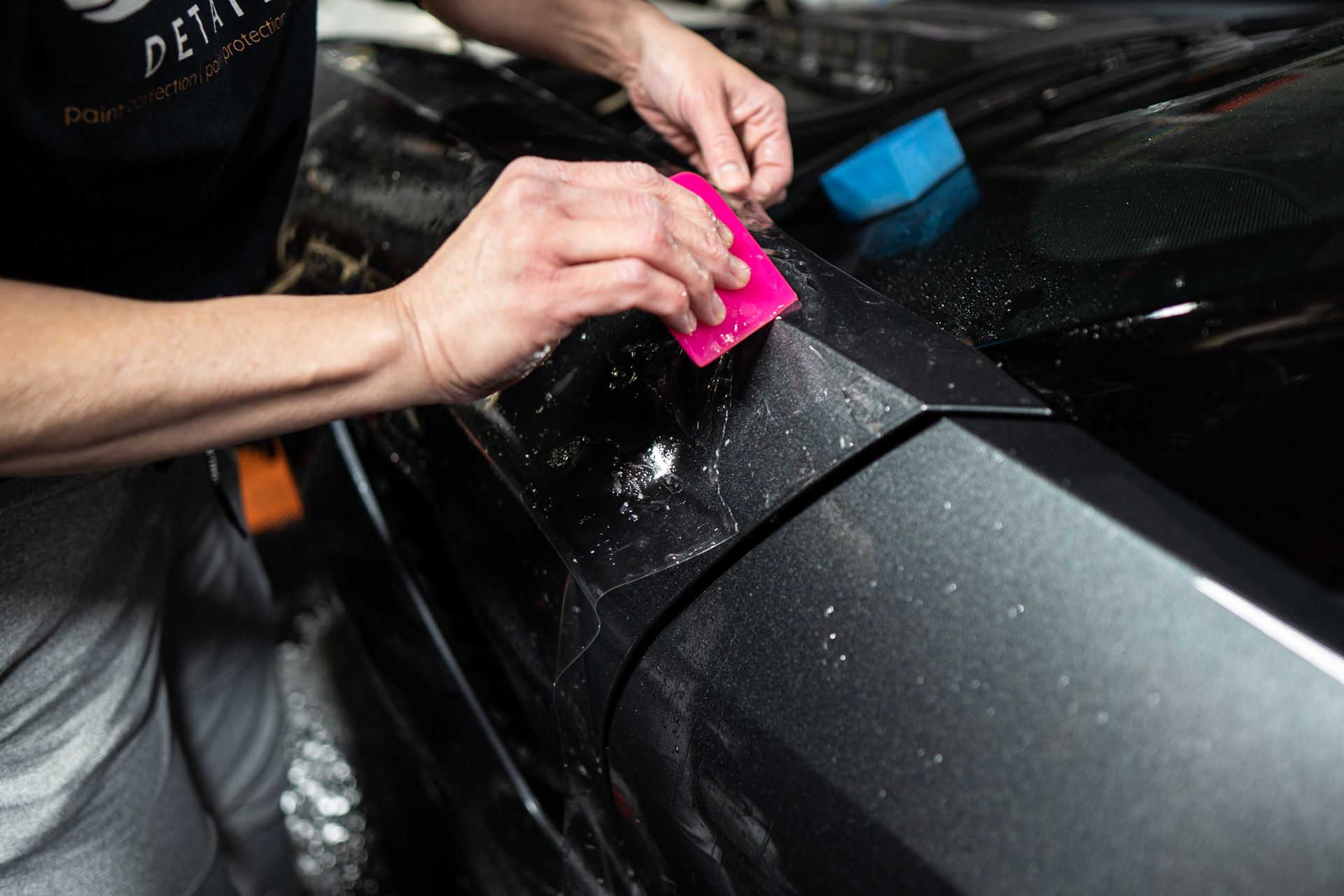
Squeegeeing removes the installation solution trapped between the film and paint while working adhesive into proper contact with the clear coat. The wrong technique leaves solution pockets that create bubbles, haziness, and adhesion failures.
Common squeegee mistakes include:
- Applying too much pressure that stretches the film excessively
- Using wrong angles that trap the solution instead of pushing it out
- Moving too quickly without ensuring complete solution removal
- Creating scratches on the film surface from contaminated squeegees
- Missing edges and corners where the trapped solution causes lifting
Professional installers use specific squeegee types for different installation stages. They know exactly how much pressure to apply, which direction to work, and how to handle tricky areas like curves and body lines.
Edge Sealing Failures
Film edges represent the most vulnerable areas for lifting and failure. Proper edge work ensures film adheres completely at perimeters, preventing moisture intrusion and contamination that cause peeling.
Inadequate edge sealing happens when installers rush or lack proper technique. They might not apply enough heat to activate the adhesive fully at the edges. Or they fail to squeegee edges properly, leaving gaps where adhesion never occurs.
Some installers also make the mistake of tucking film into tight gaps where it shouldn't go. This creates tension that eventually pulls the film away from the edges. Knowing where to seal edges and where to make clean cuts requires experience and judgment.
Post-Installation Issues and Quality Problems
Even a perfect installation technique can be undermined by poor post-installation practices. How film is treated immediately after application affects long-term performance significantly.
Insufficient Curing Time
PPF adhesive needs time to cure fully before the vehicle faces normal use. Rushing this curing process prevents proper bonding and creates conditions for early failure. Yet many installers deliver vehicles too quickly because customers want immediate access.
Curing requirements vary by film type and environmental conditions. Temperature and humidity affect cure rates. Professional installers understand these variables and set realistic delivery schedules based on actual curing needs, not customer impatience.
Premature Washing and Exposure
Fresh PPF installation is vulnerable to water intrusion and contamination while adhesive finishes are curing. Washing the vehicle too soon can force water under film edges, creating lifting and bubbles that become permanent problems.
Quality installers provide clear post-installation care instructions. They explain when washing becomes safe, what products to use, and what to avoid during the critical initial period. Following these instructions prevents problems that would otherwise compromise installation quality.
Edge Lifting from Environmental Factors
Even a well-installed film can experience edge lifting if exposed to extreme conditions too soon after application. High heat, pressure washing, and certain chemicals can affect uncured adhesive and cause edges to release.
This is why professional installers often recommend keeping vehicles garaged for the first few days after installation. They might also suggest avoiding automatic car washes and pressure washing for a specific period. These precautions ensure the adhesive achieves full cure and maximum bond strength.
Why Professional Installation Delivers Superior Results
Paint protection film represents a significant investment in vehicle protection. Installation quality determines whether that investment pays off or becomes an expensive mistake requiring correction.
Training and Experience Make the Difference
Professional installers train extensively on proper techniques, product knowledge, and quality standards. They practice on training panels and vehicles before working on customer cars. This preparation prevents the mistakes DIY installers make while learning on their own vehicles.
Experience also teaches installers how to handle unexpected challenges. Every vehicle presents unique curves, body lines, and paint conditions. Professionals adapt techniques based on specific situations, drawing from knowledge gained through extensive training and real-world application experience.
Proper Tools and Environment
Professional PPF installation requires specialized tools that cost hundreds or thousands of dollars. Proper cutting systems, specific squeegees, heat guns with precise temperature control, and measurement devices all contribute to quality results.
The installation environment matters just as much. Climate-controlled shops with proper lighting and air filtration prevent contamination and allow installers to work in optimal conditions. DIY installers working in home garages face contamination, lighting, and temperature challenges that compromise results.
Material Quality and Warranty Support
Professional installers use premium film products from established manufacturers. These films offer superior self-healing properties, UV resistance, and durability compared to cheaper alternatives some DIY enthusiasts might purchase online.
Quality installers also provide warranty coverage on their work. If installation issues arise, they fix problems at no additional cost. This warranty protection gives customers peace of mind that DIY installation can never match. Plus, film manufacturers often require professional installation for their product warranties to remain valid.
Time Efficiency and Risk Management
Full vehicle PPF installation takes professional installers many hours, even with experience and proper tools. DIY attempts typically take much longer and risk damaging expensive film through mistakes that require starting over with fresh material.
The financial risk of DIY installation goes beyond wasted film. Improper installation can damage vehicle paint through contamination, excessive stretching, or chemical exposure. Fixing these problems costs far more than professional installation would have cost initially.
Protecting Your Investment with Quality Installation
Your vehicle deserves protection that actually protects. Poor PPF installation creates more problems than it solves, leaving you with visible defects, premature failure, and wasted money.
Professional installation eliminates the common mistakes that plague DIY attempts and low-quality installers. Five Star Automotive Detailing brings expertise and attention to detail that ensures your PPF performs exactly as designed throughout its lifespan.
Our team understands proper surface preparation, film application techniques, and post-installation care requirements. We use premium materials in controlled environments, delivering results that look flawless and provide long-lasting protection.
Contact us to discuss professional PPF installation that protects your vehicle without the mistakes that undermine inferior installations.
Frequently Asked Questions
What causes bubbles under paint protection film?
Bubbles typically result from trapped air or an installation solution that didn't get squeegeed out properly during application. Contamination on paint surfaces before installation can also create bubbles by preventing proper adhesion. Small bubbles sometimes work themselves out within the first few weeks as adhesive cures, but larger bubbles usually indicate installation problems that won't self-correct. Professional installers use proper squeegee techniques and work in controlled environments to prevent bubble formation during application.
How long should I wait before washing after PPF installation?
Most professional installers recommend waiting at least one week before washing a vehicle with fresh PPF installation. This allows the adhesive to cure fully and the edges to seal completely. Some films and environmental conditions might require longer curing periods. Always follow specific instructions from your installer, as premature washing can force water under film edges and compromise bonding. When you do wash, use gentle handwashing methods rather than pressure washing or automatic car washes initially.
Can PPF installation damage my vehicle's paint?
Yes, improper installation can damage paint in several ways. Excessive stretching or heat can affect the clear coat. Contaminated tools or improper cleaning products can scratch or stain paint. Poor surface prep might require aggressive correction later that removes more clear coat. This is why professional installation matters—trained installers know how to protect paint throughout the entire process. They use proper techniques, tools, and products that safeguard your vehicle's finish while installing protection film.
Why does PPF sometimes look hazy or cloudy?
Haziness usually indicates an installation solution trapped between the film and paint that didn't get removed during squeegee work. This trapped moisture prevents clear visibility through the film. Sometimes haziness clears as the solution evaporates during curing, but persistent cloudiness suggests improper installation. Contamination during application can also create a hazy appearance. Professional installers prevent this problem through a thorough squeegee technique that removes all solution before the adhesive begins curing.
How can I tell if my PPF was installed correctly?
Quality PPF installation shows no visible bubbles, wrinkles, or trapped debris. Edges lay flat without lifting or gaps. Film conforms smoothly to vehicle curves without excessive stretching or puckering. Seams align properly and remain barely visible. The film appears completely clear without haziness or discoloration. All these quality indicators result from proper surface prep, correct application technique, and adequate curing time. If you notice defects within the first few weeks, contact your installer immediately, as warranty coverage typically addresses legitimate installation issues.