
Your car windows let in more than just light and scenery. They're also allowing ultraviolet radiation to reach you and your passengers during every drive. Understanding window tint UV protection helps you make informed decisions about safeguarding yourself and your family from cumulative sun exposure.
Most people think about window tint for privacy, style, or keeping the car cooler. But the health protection aspect deserves equal attention. UV radiation doesn't just cause sunburns - it contributes to long-term skin damage, accelerates aging, and affects eye health through repeated exposure over time.
The good news? Quality window tint dramatically reduces UV penetration while you drive. But not all tints provide the same level of protection, and darkness doesn't necessarily equal better UV blocking.
Understanding UV Radiation and Vehicle Exposure
UV radiation comes in different wavelengths, and knowing the difference helps you understand what protection you actually need through car windows.
UVA vs. UVB: What You're Actually Blocking
Ultraviolet radiation splits into two main types that reach Earth's surface. UVB rays cause sunburn and play a major role in developing skin damage from direct exposure. Most glass, including car windows, naturally blocks the majority of UVB radiation already.
UVA rays present the bigger concern for vehicle occupants. These longer wavelengths penetrate regular glass much more effectively than UVB. They reach deeper into skin layers and contribute to premature aging, wrinkles, and long-term cumulative damage that builds up over years of exposure.
The real issue? People spend significant time in vehicles without realizing they're getting consistent UVA exposure. That morning commute, afternoon errands, and weekend road trips add up to substantial radiation exposure over months and years.
How Much UV Passes Through Untinted Windows
Factory automotive glass varies in UV protection depending on the vehicle and window location. Windshields typically offer better UV blocking because they use laminated glass with built-in protection. Side and rear windows often use tempered glass that blocks less UV radiation.
Standard automotive side windows might allow 60-70% of UVA radiation to pass through. That means during a 30-minute commute, you're receiving more than half the UV exposure you'd get standing outside. Over time, this exposure accumulates and affects skin on the side of your body closest to the window - particularly your left arm and face if you drive regularly.
People often notice asymmetric sun damage developing on one side. This pattern results from consistent UV exposure through the driver's side windows during years of commuting and driving. The damage develops gradually, making it easy to overlook until visible changes appear.
The Cumulative Effect of Daily Exposure
UV damage doesn't work like an on-off switch. Each exposure contributes to cumulative effects that manifest over time. A 20-minute drive might seem insignificant, but multiply that by daily commutes, errands, and longer trips throughout the year.
Health professionals recognize that incidental sun exposure - the kind you get through windows while driving - contributes meaningfully to total UV dose over a lifetime. This recognition has increased awareness about protecting skin during routine activities, not just during intentional sun exposure like beach trips.
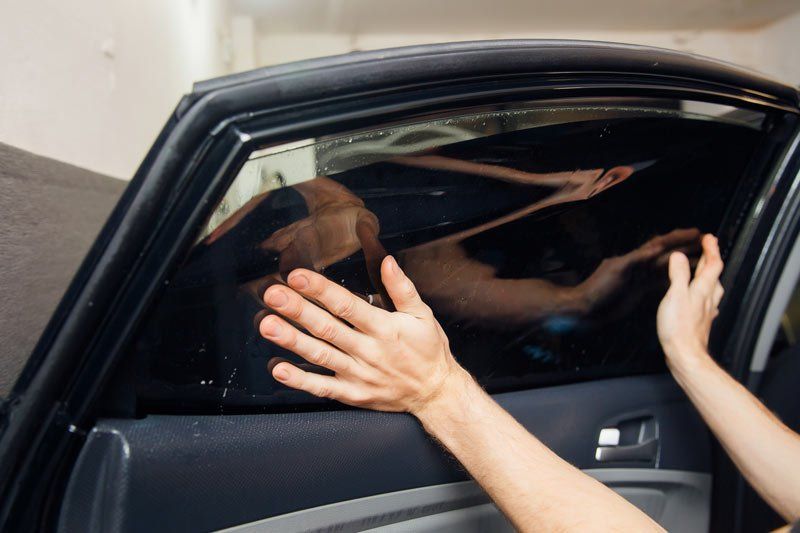
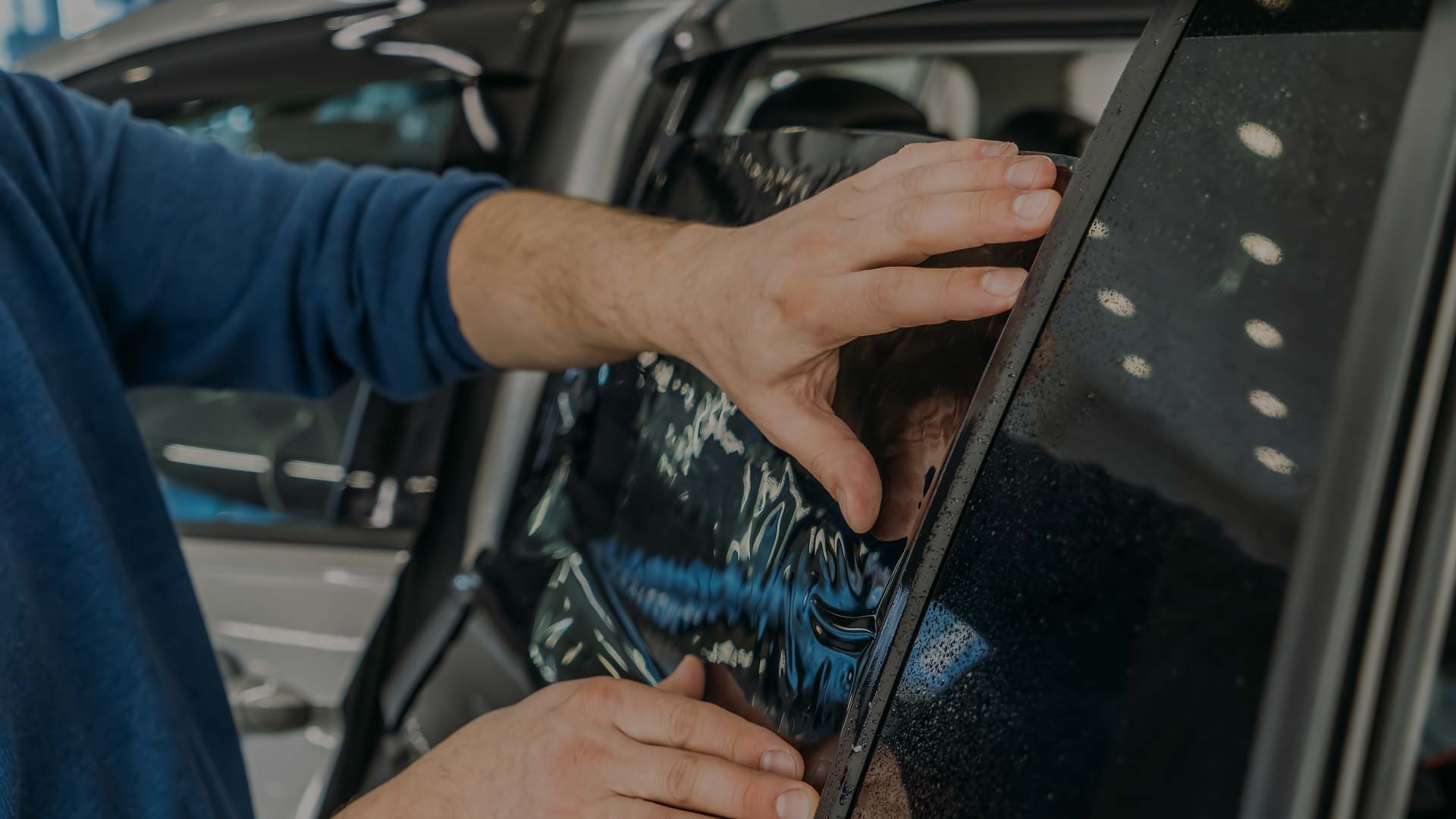
UV Blocking Percentages: What Different Tints Actually Provide
Window tinting technology offers varying levels of UV protection, and understanding these differences helps you choose appropriate protection for your needs.
Standard Dyed Window Films
Basic dyed window films primarily reduce visible light and provide privacy. While they do block some UV radiation, their protection capabilities are limited compared to more advanced options.
Standard dyed films typically block around 40-60% of UV rays. This represents an improvement over untinted glass but leaves significant UV penetration. The dye also fades over time, which can reduce whatever UV protection the film provided initially.
These films work better for aesthetic purposes than for health protection. If UV blocking is your primary concern, other film types deliver more reliable and consistent protection.
Metalized Window Films
Metalized films incorporate metal particles that reflect both heat and UV radiation more effectively than dyed films. These films typically block 95-99% of UV rays, providing substantial protection against both UVA and UVB radiation.
The metal layer creates a barrier that UV radiation cannot penetrate as easily. This technology offers solid protection at mid-range investment levels. However, metallized films can interfere with electronic signals like GPS, cell phones, and radio reception in some cases.
Ceramic Window Tint: Superior UV Protection
Ceramic tint represents the premium option for UV protection. These films use ceramic particles that block UV radiation without relying on dyes or metals. Quality ceramic tints block 99% or more of UV radiation while maintaining excellent visibility and signal transparency.
The ceramic particle technology provides consistent UV blocking that doesn't degrade over time like dyed films. The films maintain their protective properties throughout their lifespan, delivering reliable defense against radiation exposure year after year.
Ceramic tints also reject infrared radiation effectively, which means they keep vehicles cooler while protecting occupants from UV damage. This dual benefit makes them particularly valuable for health-conscious vehicle owners in areas with significant sun exposure.
Health Benefits Beyond Temperature Control
UV protection through window tinting delivers several health advantages that go beyond simply keeping your car cooler during summer months.
Skin Protection During Daily Driving
Reducing UV exposure through car windows helps protect skin from cumulative damage that occurs during routine driving. The protection is particularly valuable for:
- People with fair skin are more susceptible to UV damage
- Anyone with a family history of skin concerns related to sun exposure
- Individuals who spend significant time driving for work or commuting
- Parents are concerned about protecting children during car trips
Quality window tint acts as a consistent barrier that doesn't require reapplication like topical sun protection. It works automatically every time you drive, providing passive protection without conscious effort.
Eye Health Considerations
Eyes also benefit from reduced UV exposure. Prolonged UV radiation affects eye health over time, contributing to various conditions that develop gradually with cumulative exposure.
Window tint reduces the radiation reaching your eyes during driving. This protection matters particularly for people who drive frequently during bright daylight hours when UV levels are highest.
Glare reduction from quality tint also improves visual comfort, making driving safer by reducing eye strain during bright conditions. This represents an immediate benefit that accompanies the long-term UV protection.
Protecting Passengers and Children
Children's developing skin shows greater sensitivity to UV exposure than adult skin. Parents who transport children regularly should consider UV protection as part of vehicle safety, not just an optional upgrade.
Rear window tinting becomes particularly important when children occupy back seats during extended trips or daily routines. The cumulative exposure over childhood years adds up significantly, and prevention remains the most effective approach to minimizing risk.
Interior Protection as a Side Benefit
While health protection should drive decisions about UV-blocking tint, interior preservation represents a valuable secondary benefit. UV radiation fades and damages upholstery, dashboard materials, and trim over time.
Blocking UV rays preserves interior condition, maintaining vehicle value while providing health benefits. The dual advantage makes window tinting a practical investment that serves multiple purposes simultaneously.
Tint Darkness vs. UV Protection: They're Not the Same Thing
Many people assume a darker tint provides better UV protection. This common misconception leads to poor decisions about window film selection.
Visible Light Transmission and UV Blocking
Tint darkness refers to visible light transmission (VLT) - how much light passes through the film. UV blocking refers to ultraviolet radiation rejection - a completely different measurement.
A film can be very light or even completely clear while still blocking 99% of UV radiation. Conversely, a very dark tint doesn't guarantee high UV protection if it uses inferior film technology. The two characteristics operate independently.
This means you can achieve excellent UV protection without dramatically darkening windows. Clear ceramic films offer 99% UV blocking while maintaining the factory window appearance. This flexibility helps when legal restrictions limit visible light reduction or when you prefer lighter tints for visibility reasons.
Legal Tint Limits and UV Protection
Different states regulate window tint darkness through VLT percentage laws. These regulations focus on visible light transmission for safety and law enforcement visibility purposes - they don't address UV protection directly.
You can comply with legal darkness limits while still achieving maximum UV blocking by choosing appropriate film technology. Ceramic films excel in this application because they provide exceptional UV protection regardless of how light or dark you want the visible appearance.
Understanding this distinction prevents compromising health protection to meet legal requirements. You don't have to choose between legal compliance and effective UV blocking - quality film provides both.
Choosing Based on Protection, Not Just Appearance
When selecting window tint, prioritize UV blocking capability first, then consider darkness preferences within that framework. Ask specifically about UV rejection percentages rather than focusing solely on how dark the tint appears.
Quality installers explain the difference between appearance and protection clearly. They help you select films that meet your health protection goals while achieving your desired look and complying with local regulations.
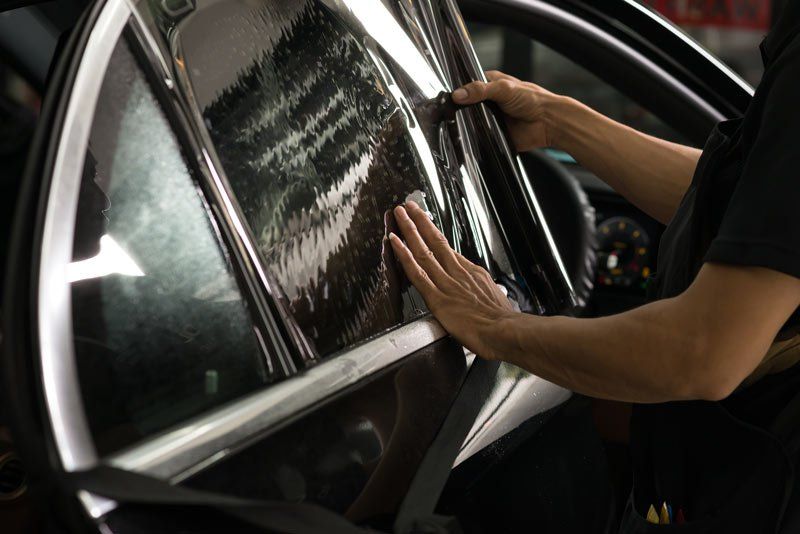
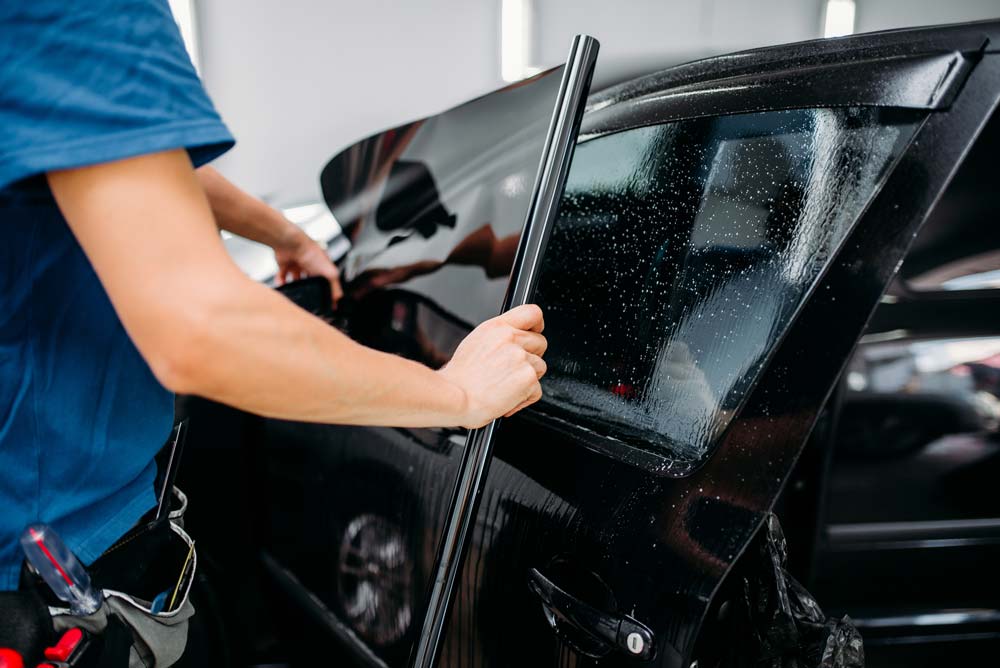
Who Benefits Most from UV-Blocking Window Tint
While anyone can benefit from reduced UV exposure during driving, certain groups gain particular value from quality window tint installation.
Frequent Drivers and Commuters
People who spend significant time driving accumulate substantial UV exposure. Daily commuters, delivery drivers, ride-share operators, and anyone who drives regularly for work face higher cumulative radiation doses than occasional drivers.
For these individuals, window tint functions as essential health protection rather than an optional luxury. The daily exposure adds up to hundreds of hours annually, making consistent UV blocking particularly valuable.
Fair-Skinned Individuals
People with fair skin, light eyes, or a family history of sun-related skin issues should consider UV protection seriously. These characteristics increase susceptibility to damage from UV exposure, making prevention especially important.
Window tint provides protection during routine activities when people might not think to apply other sun protection measures. It creates an automatic defense layer that works every time they drive.
Parents and Families
Families with children benefit from window tint that protects young passengers during car trips. Children accumulate UV exposure during daily activities - school drop-offs, errands, sports practice, family trips - that adds up over years of childhood development.
Installing quality UV-blocking tint represents a proactive health decision that provides consistent protection throughout childhood without requiring parents to constantly apply and reapply other protective measures.
People with Existing Sun Sensitivity
Anyone who has experienced sun-related skin issues or shows sensitivity to sun exposure should prioritize UV protection in all contexts, including vehicle interiors. Window tint provides one layer of a comprehensive sun protection strategy.
This doesn't replace other protective measures like appropriate clothing or topical sun protection when needed. Rather, it complements a complete approach to managing sun exposure across different environments and activities.
Professional Installation for Maximum Protection
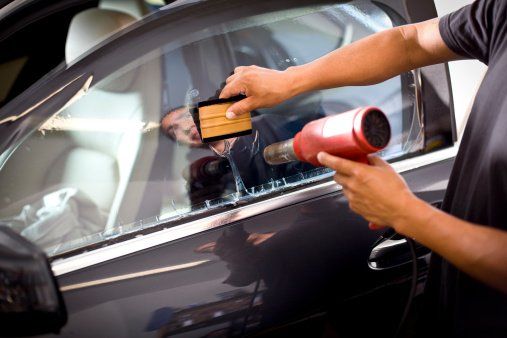
Quality UV protection requires proper installation using appropriate film technology. A professional application ensures films bond correctly and provide the advertised protection levels throughout their lifespan.
Why Installation Quality Matters
Window tint effectiveness depends on complete coverage without gaps, proper adhesion, and correct application technique. Amateur installation or low-quality products might not deliver promised UV protection even if the film specifications look good on paper.
Professional installers use controlled environments and precise techniques that ensure films perform as designed. They also understand which products genuinely deliver claimed UV blocking percentages versus marketing exaggeration.
Ceramic Tint Advantages
For health-focused vehicle owners, ceramic tint offers the most reliable UV protection available. The technology provides:
- 99%+ UV blocking regardless of visible darkness
- Consistent protection that doesn't degrade over time
- No signal interference with electronics
- Superior heat rejection for added comfort
- Excellent optical clarity without color distortion
While ceramic tint costs more than basic films, the superior and consistent UV protection justifies the investment for health-conscious buyers prioritizing protection over price.
Protecting Yourself and Your Passengers
Window tint UV protection represents a practical health investment that works automatically every time you drive. Unlike topical sun protection that requires conscious application, quality window tint provides consistent defense against cumulative UV exposure.
The protection matters most for people who drive regularly, have sun sensitivity, or want to protect children during car trips. Ceramic tint technology delivers the highest UV blocking capability while maintaining visibility and comfort.
Five Star Automotive Detailing provides professional window tinting services using quality films that deliver reliable UV protection. Our team helps you select an appropriate tint that meets both your health protection goals and aesthetic preferences while complying with local regulations.
Protect yourself and your passengers from harmful UV rays. Contact us for high-quality UV-blocking window tint service that prioritizes your health and safety.
Frequently Asked Questions
Does window tint really block UV rays effectively?
Yes, quality window tint blocks UV radiation very effectively, but protection levels vary significantly by film type. Basic dyed films block 40-60% of UV rays, while metalized films typically block 95-99%. Premium ceramic tints block 99% or more of both UVA and UVB radiation. The key is choosing appropriate film technology rather than just any tint. Professional-grade ceramic films provide the most reliable and consistent UV protection throughout their lifespan without degradation over time.
Can I get UV protection without a dark tint?
Absolutely. UV blocking and visible darkness are separate characteristics. Clear or very light ceramic films can block 99% of UV radiation while barely affecting the window's appearance. This allows you to achieve maximum health protection while maintaining the factory window look, meeting strict legal tint limits, or simply preferring lighter windows for visibility. The ceramic particle technology blocks UV radiation regardless of how light or dark the visible tint appears, giving you flexibility in appearance while prioritizing protection.
How much UV exposure do you get through car windows?
Untinted automotive side windows typically allow 60-70% of UVA radiation to pass through, though windshields with laminated glass block more UV. During a typical 30-minute commute, you receive more than half the UV exposure you'd experience standing outside. This daily exposure accumulates over months and years, contributing to skin aging and damage, particularly on the side of your body closest to the window - usually your left arm and face if you drive regularly.
Is ceramic tint worth the extra cost for UV protection?
For health-focused vehicle owners, ceramic tint justifies its higher cost through superior and consistent UV protection. Ceramic films block 99%+ of UV radiation regardless of darkness level, maintain protection without degrading over time, reject heat effectively for added comfort, and don't interfere with electronic signals. While basic films cost less initially, ceramic tint delivers more reliable long-term protection. The investment makes particular sense for frequent drivers, people with sun sensitivity, families with children, or anyone prioritizing health protection over budget constraints.
Does window tint replace the need for sunscreen while driving?
Window tint provides excellent UV protection through glass, but shouldn't replace other sun protection measures entirely. Quality tint blocks UV radiation coming through windows, but you still need appropriate protection for exposed skin during outdoor activities before and after driving. Think of window tint as one component of a comprehensive sun protection strategy - valuable for reducing cumulative UV exposure during driving while complementing other protective measures like appropriate clothing and topical sun protection when needed for outdoor activities.