When you start looking at paint correction quotes, the numbers can feel confusing. One shop offers a single stage process. Another recommends a 2 step paint correction or even three stages. The prices reflect those differences, and it's natural to wonder what you actually need.
I talk with folks about this regularly, and the honest answer is that your paint tells the story. The condition of your clear coat determines how much work it takes to restore the finish. More stages mean more correction, but not every vehicle needs the full treatment.
What Paint Correction Actually Does
Before we compare stages, it helps to understand what paint correction accomplishes. The process removes defects from your clear coat using machine polishing with specific compounds and pads.
Your clear coat sits on top of your paint and takes abuse from daily driving. Over time, it accumulates swirl marks, fine surface marring, and oxidation. Correction removes a tiny amount of clear coat to eliminate these defects while preserving as much material as possible.

Single Stage Correction Explained
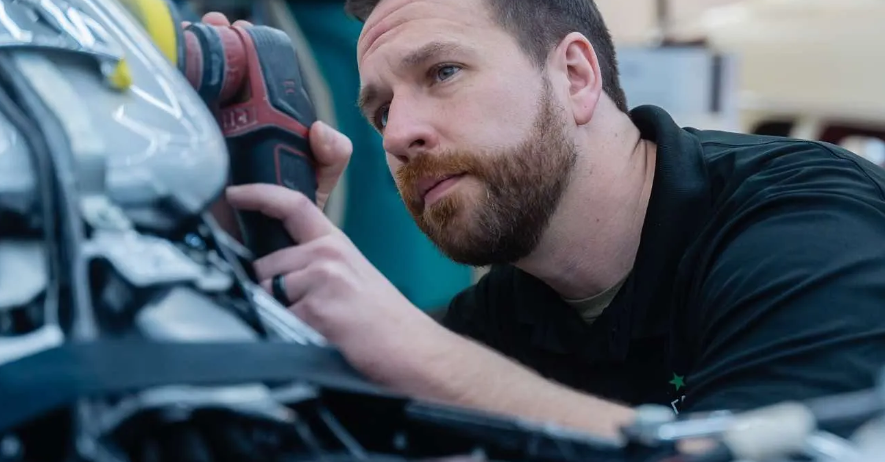
A one-stage correction uses a single polishing step to address the paint. This approach works well when defects are relatively light and uniform across the surface.
Single stage correction is appropriate when swirl marks are minor, the finish looks dull but isn't heavily damaged, and the vehicle has had reasonable care. This level restores shine without aggressive cutting and preserves more clear coat. For many daily drivers with moderate wear, single stage delivers noticeable improvement.
Multi-Stage Correction: When More Steps Matter
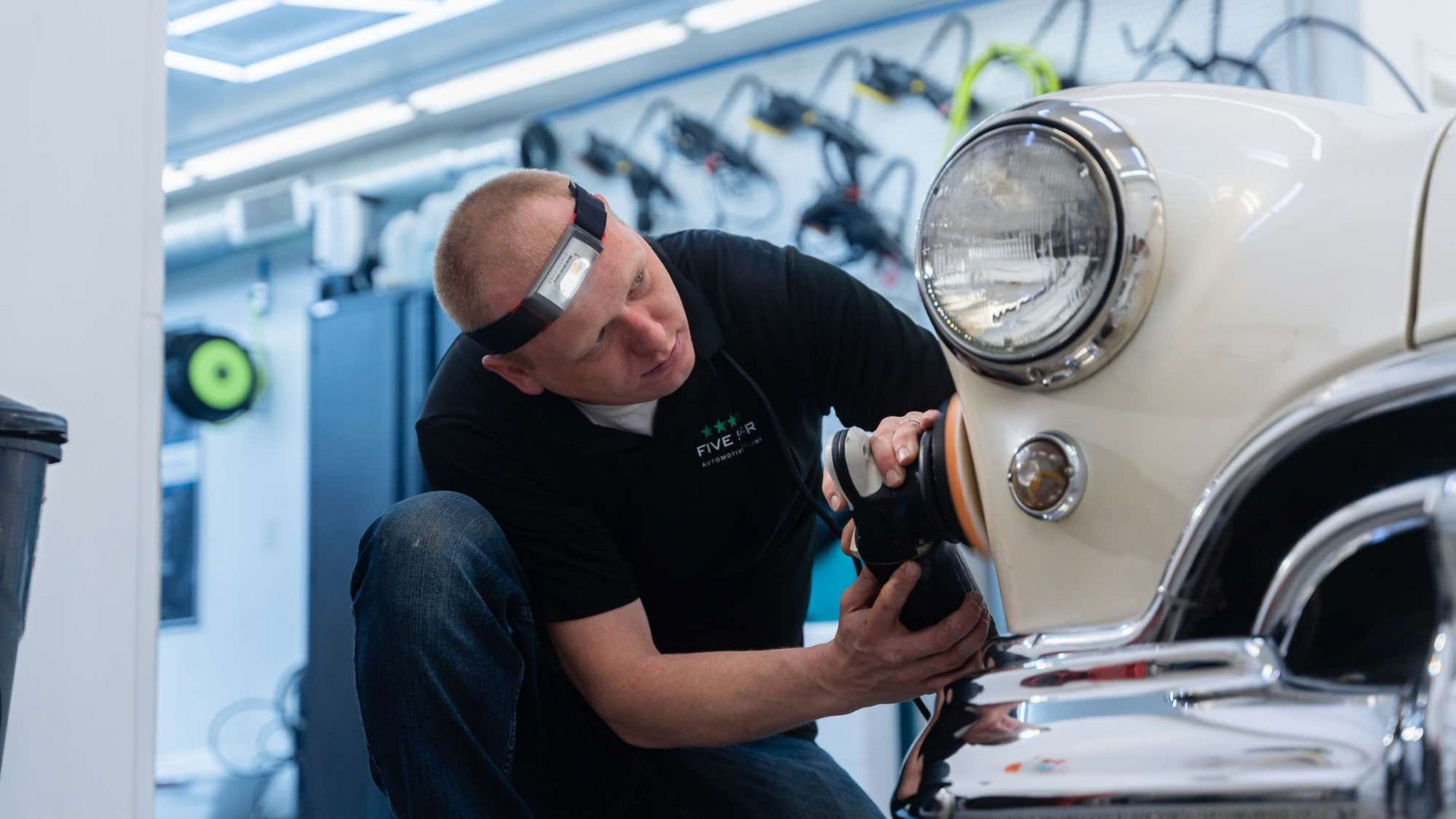
A 2 step paint correction or multi-stage process, uses multiple polishing steps with different compounds and pads. The first stage typically uses a more aggressive approach to cut through deeper defects. Subsequent stages refine the finish and bring out final gloss.
Multi-stage correction makes sense when defects are deeper, years of improper washing have created heavy swirl patterns, or oxidation has significantly dulled the finish. The additional stages take more time and remove more clear coat, which is why multi-stage costs more. But for paint in rough condition, a single pass cannot address what needs fixing.
How We Assess What Your Paint Needs
The right approach depends on your specific vehicle, not a guess or a formula. That's why professional assessment matters before recommending a correction level.
During an evaluation, we look at the paint under proper lighting that reveals defects clearly. A paint thickness gauge helps us understand how much clear coat remains to work with. This assessment prevents recommending more correction than your paint can safely handle.
Some areas of a vehicle often show more wear than others. Horizontal surfaces like hoods and roofs typically accumulate more damage than vertical panels. The assessment identifies what each section needs.
Why Quotes Differ Between Shops
Understanding correction stages helps explain why quotes vary. A shop recommending single-stage correction will naturally quote less than one recommending multiple stages. The question is whether the recommendation matches your paint's actual condition.
Factors that affect correction quotes include:
- The number of stages needed based on paint condition
- Vehicle size affecting total surface area
- Current defect severity across different panels
- Clear coat thickness and condition
A lower quote isn't automatically better if it means under-correcting paint that needs more attention. Similarly, a higher quote isn't justified if your paint only needs single stage work. The right quote matches the work to the condition.
What Correction Cannot Fix
I want to be straightforward about limitations. Paint correction addresses defects in the clear coat, but it cannot fix everything. Deep marks that penetrate into base paint, chips where paint is missing, previous repair work with texture differences, and clear coat failure are beyond correction.
When we find these issues during assessment, we discuss options honestly. Sometimes correction improves surrounding areas even if certain defects remain.
Choosing the Right Level for Your Goals
Your goals matter as much as your paint's condition. Some owners want showroom-level perfection for a special vehicle. Others want meaningful improvement without maximum investment.
Both approaches are valid. Single stage correction on a daily driver can satisfy most owners. Multi-stage on a show car might be worth it for someone who values that level of finish. The key is matching expectations to outcomes.
After Correction: Protecting the Results
Once paint gets corrected, protecting that restored finish matters. Correction removes defects but doesn't prevent new ones from forming. The freshly polished surface actually benefits from protection because the clear coat is now at its best.
Many owners pair correction with protection like paint protection film or ceramic coatings. This combination restores the finish and then defends it going forward. The investment in correction lasts longer when the surface stays protected.
Making Your Decision
Choosing between single and 2 step paint correction comes down to understanding your paint's current condition and your goals for the finished result. A proper assessment takes the guesswork out of the equation.
Five Star Automotive Detailing evaluates every vehicle individually before recommending a correction level. We show you what we're seeing and explain why a particular approach makes sense.
Contact us to schedule an assessment. We'll look at your paint, discuss your goals, and recommend the approach that delivers the results you're after.
Frequently Asked Questions
What is the difference between single stage and multi-stage paint correction?
Single stage correction uses one polishing step to address light defects and restore shine. Multi-stage correction uses two or more polishing steps, starting with more aggressive cutting to remove deeper defects and finishing with refining stages that bring out final gloss. The number of stages depends on how severe the paint damage is.
How do I know if my car needs multi-stage correction?
Paint with heavy swirl patterns, noticeable oxidation, or years of improper washing typically needs multi-stage work. Lighter defects from normal driving often respond well to single stage correction. A professional assessment under proper lighting reveals the actual condition and helps determine the right approach.
Does more correction stages mean better results?
Not necessarily. More stages remove more clear coat material, which isn't always desirable. Paint in good condition doesn't need aggressive multi-stage correction. The best results come from matching the correction level to the paint's actual needs rather than defaulting to maximum correction.
Can paint correction damage my clear coat?
When done properly with assessment and appropriate techniques, correction is safe for your paint. Problems arise when too much material gets removed or when correction is performed without measuring paint thickness first. Professional correction includes assessment to ensure safe treatment.
Should I get paint correction before applying protection?
Yes, correction before protection makes sense. Correcting defects first means you're protecting a restored finish rather than sealing in existing imperfections. The protection then helps maintain that corrected surface by defending against new damage.