
Minnesota winters don't just test your patience. They test every inch of your vehicle, from the paint on top to the frame rails underneath. Most folks think about protecting one or the other, but the smartest approach addresses both at the same time.
When you're thinking about automotive undercoating alongside paint protection, you're looking at complete vehicle protection that covers what you see and what you don't. The underbody and surface work together as a system, and protecting both makes sense for anyone serious about keeping their car, truck, or SUV in good shape.
Why Minnesota Demands More Protection
Rochester winters bring challenges that few other places match. Road salt, brine treatments, slush, and moisture attack vehicles from every angle for months at a time.
The salt spread on roads doesn't just stay on the pavement. It splashes up onto your paint, works into door seams, and coats your undercarriage. Then freeze-thaw cycles trap moisture in places you can't see. By the time rust shows up where you notice it, the damage underneath has often been spreading for years.
This is why
winter readiness means thinking about protection before the first snowfall.
Understanding How Undercoating Protects
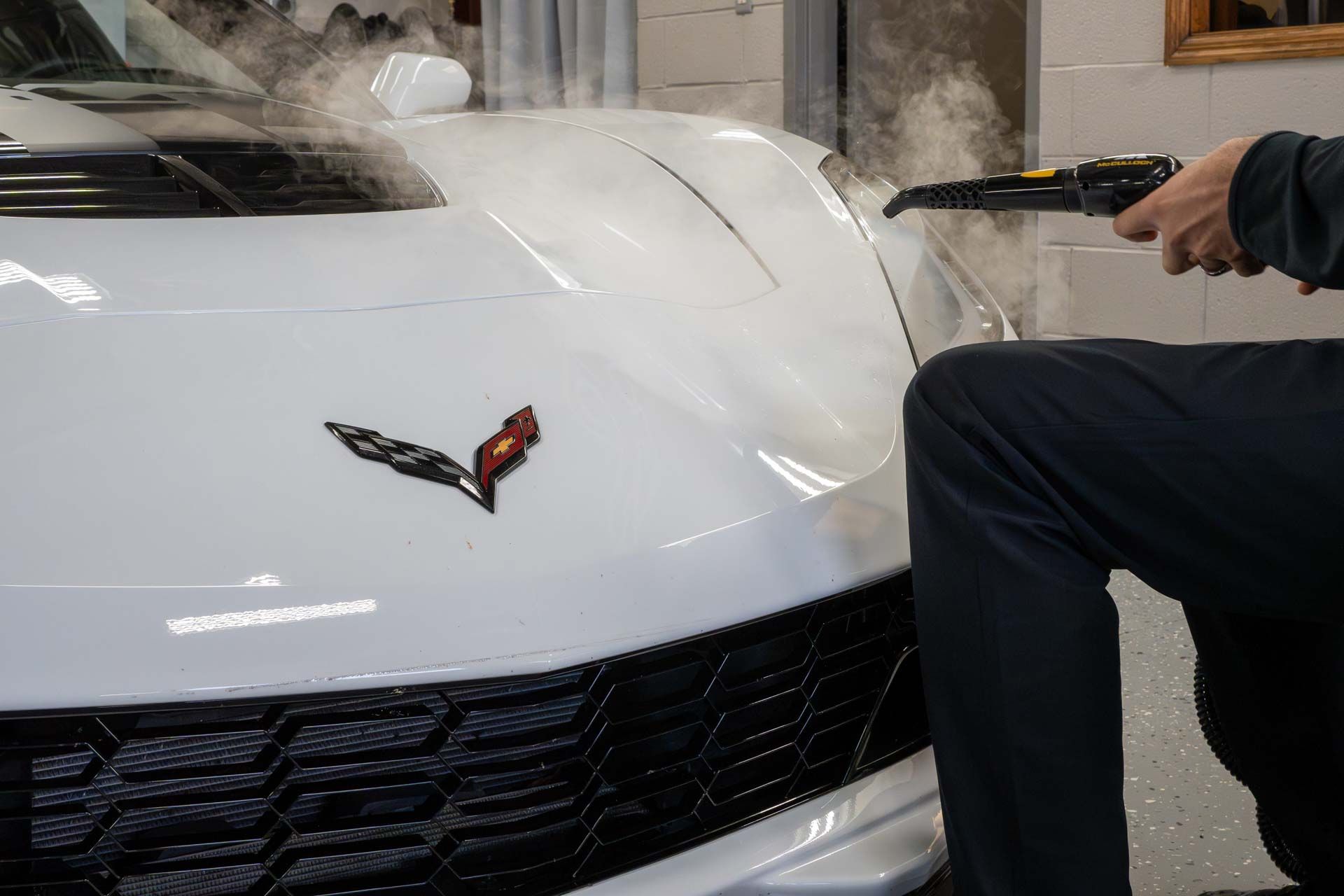
Automotive undercoating creates a barrier between your vehicle's undercarriage and the elements trying to destroy it. The frame rails, seams, and structural components all sit exposed to whatever the road throws at them.
Quality undercoating penetrates into the seams, welds, and tight spaces where moisture collects. It stays flexible rather than cracking over time, which matters in a climate where temperatures swing dramatically. The protection creeps into cavities and hidden areas that a simple spray application would miss.
What Paint Protection Adds to the Picture
While undercoating handles what's underneath, painted surfaces face their own challenges. Road debris kicks up and causes chips. UV exposure fades paint over time. Chemical contamination from road treatments etches into the clear coat.
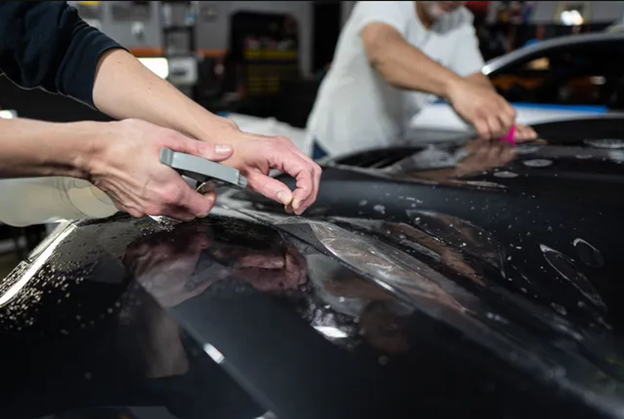
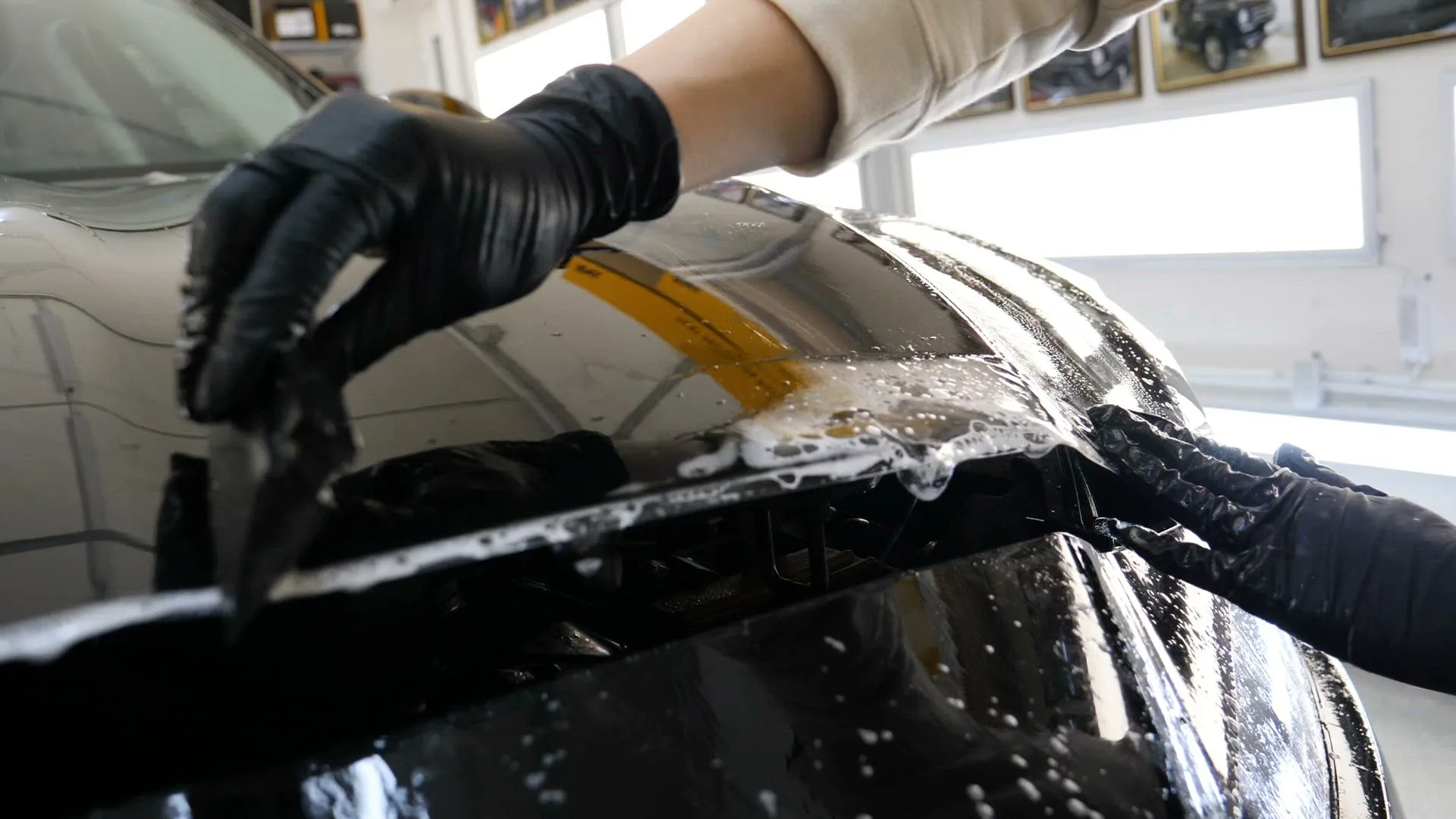
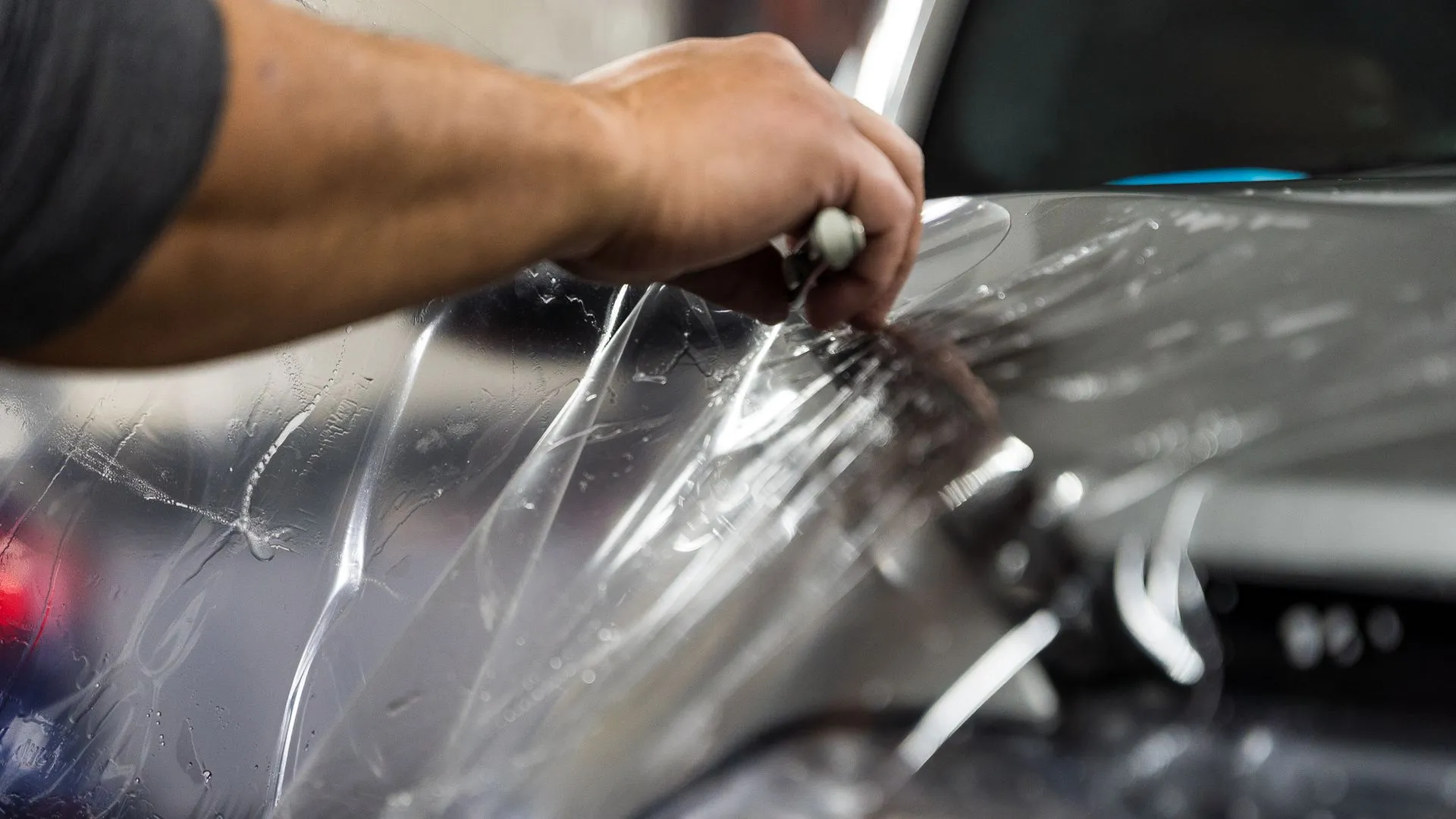
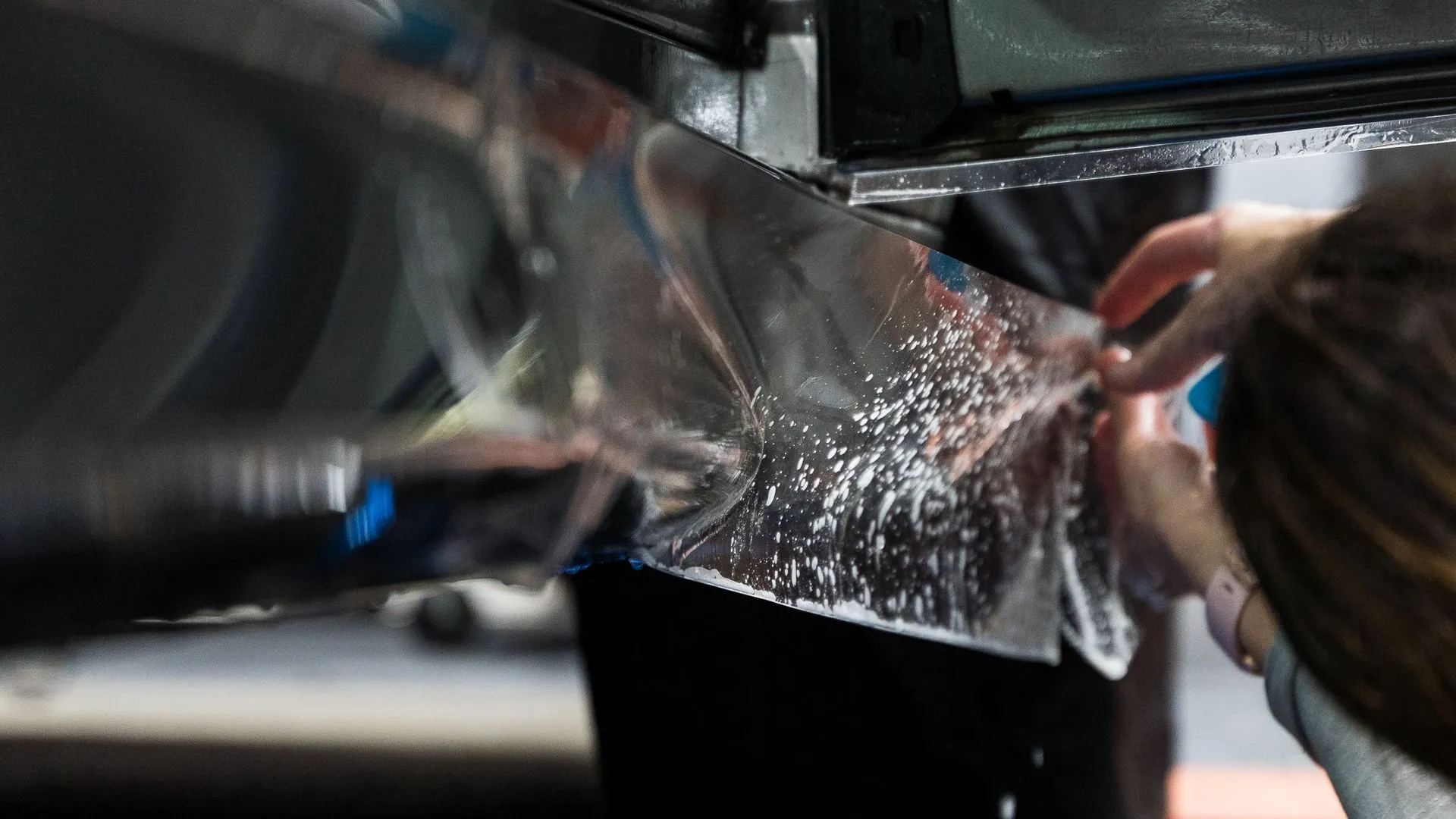
Paint protection film creates a physical barrier against impacts. Ceramic coatings provide chemical resistance and make surfaces easier to clean. Both help maintain appearance while defending against environmental damage.
Five Star Automotive Detailing offers both undercoating and paint protection because we understand they work together. Protecting just the paint while ignoring what's underneath leaves half the vehicle vulnerable.
How the Services Complement Each Other
Think about your vehicle as a complete system rather than separate parts. The underbody and surface protection work together to defend against the same environmental threats from different directions.
Salt spray hits your paint while salt-laden slush coats your undercarriage. When you address both, you're creating layered defense that handles threats from every angle. The undercoating stops corrosion from working up through the floor and frame. Surface protection keeps the paint structurally sound on top.
The Case for New Vehicle Care
New vehicle care makes the strongest argument for combining these services. A brand new car or truck arrives with perfect paint and a clean undercarriage. There's no existing damage to work around.
Starting with protection on a new vehicle means you're preserving factory condition rather than restoring something already compromised. For folks picking up a new car, truck, or SUV, the first few months represent the ideal window for complete vehicle protection.
Protecting an Investment That Matters
Your vehicle represents a significant purchase, and protecting an investment of that size makes financial sense. The cost of protection is a fraction of what corrosion damage or paint deterioration will cost to repair.
Structural rust affects safety and resale value. Frame corrosion can reach a point where repair isn't practical. The math works in favor of prevention. Spending on protection now saves multiples of that amount in avoided repairs and preserved value later.
Timing Your Protection for Best Results
Winter readiness works best when you plan ahead. The ideal time to apply protection is fall, before the salt trucks start running. This gives coatings time to cure and puts protection in place before harsh conditions arrive.
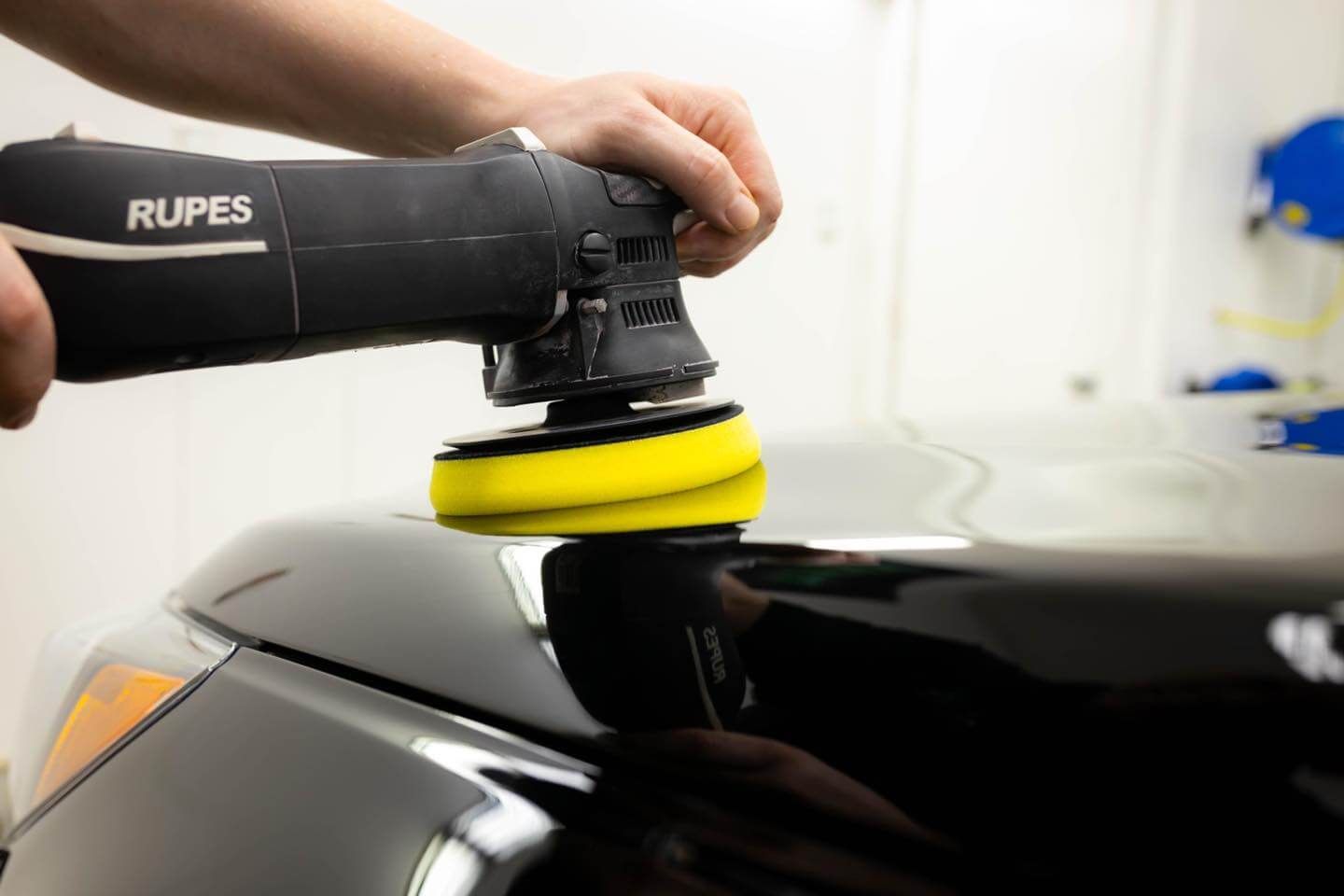
For vehicles with some wear, addressing issues first makes sense. Paint correction removes existing defects so you're protecting a restored surface. Undercarriage cleaning removes salt buildup before the protective coating goes on.
What Complete Protection Looks Like
A fully protected vehicle has addressed threats from every direction. The undercarriage has been cleaned, prepped, and coated with protection that reaches hidden cavities. The paint has been corrected if needed and protected appropriately.
Complete vehicle protection isn't about applying every possible service. It's about matching the right protection to the threats your vehicle actually faces. A daily driver in Rochester needs different consideration than a weekend vehicle stored in a heated garage.
Making the Decision
Choosing to protect both the underbody and surface comes down to recognizing that your vehicle faces threats from multiple directions. Addressing one while ignoring the other leaves gaps that Minnesota winters will find.
We help owners think through what makes sense for their specific situation. We look at the vehicle, discuss how it gets used, and recommend protection that matches the need.
Contact us to talk through your options. Whether you're driving a new vehicle off the lot or preparing an existing one for another winter, there's a protection approach that fits.
Frequently Asked Questions
Why should I get both undercoating and paint protection instead of just one?
Your vehicle faces environmental threats from multiple directions. Salt spray hits the paint while slush coats the undercarriage. Protecting only one area leaves the other vulnerable to damage that spreads over time. Combined protection creates a layered defense that addresses the complete vehicle.
When is the best time to apply automotive undercoating and paint protection?
Fall is ideal because it allows coatings to cure before winter conditions arrive. For new vehicles, the first few months after purchase offer the best opportunity since surfaces are clean and undamaged. Applying protection before winter prevents salt and moisture from starting corrosion.
How does protecting my vehicle help maintain its value?
Rust damage and paint deterioration significantly reduce resale value. Structural corrosion can make vehicles difficult to sell at fair prices. Maintaining both the undercarriage and painted surfaces preserves the condition buyers look for. The cost of protection is typically far less than the value it preserves.
Can I add protection to a vehicle that already has some wear?
Yes, though addressing existing issues first produces better results. Paint with swirl marks or fine surface marring benefits from correction before applying protective coatings. Undercarriages with salt buildup need proper cleaning before undercoating application. Starting with the best possible surface condition helps the protection perform as intended.
How long does the protection last once applied?
Longevity varies based on the specific services and how the vehicle gets used. Quality undercoating typically provides years of protection, with periodic touch-ups recommended. Paint protection film and ceramic coatings offer multi-year durability under normal conditions. Regular inspections help identify when maintenance or reapplication makes sense.