When you start looking into paint protection film for your car, truck, or SUV, one of the first things you notice is how much quotes can vary. You might get two estimates that are hundreds of dollars apart for what sounds like the same thing.
I get asked about paint protection film cost regularly, and it's a fair question. Nobody wants to overpay, but nobody wants to regret cutting corners either. The goal here is giving you the information you need to understand what you're paying for.
Why Two Quotes Can Look So Different
Before we get into the specifics, it helps to understand that paint protection film isn't a commodity product with one standard price. Several factors combine to create the final number, including coverage area, film quality, vehicle complexity, paint condition, and installer experience.
When shops prioritize different things, their prices reflect those priorities. A shop using premium materials and taking extra time on preparation will charge more than one cutting corners. Neither price is necessarily wrong, but they represent very different services.
Coverage Area Has the Biggest Impact
The amount of surface area being protected is usually the largest factor in your quote. More coverage means more material and more labor.
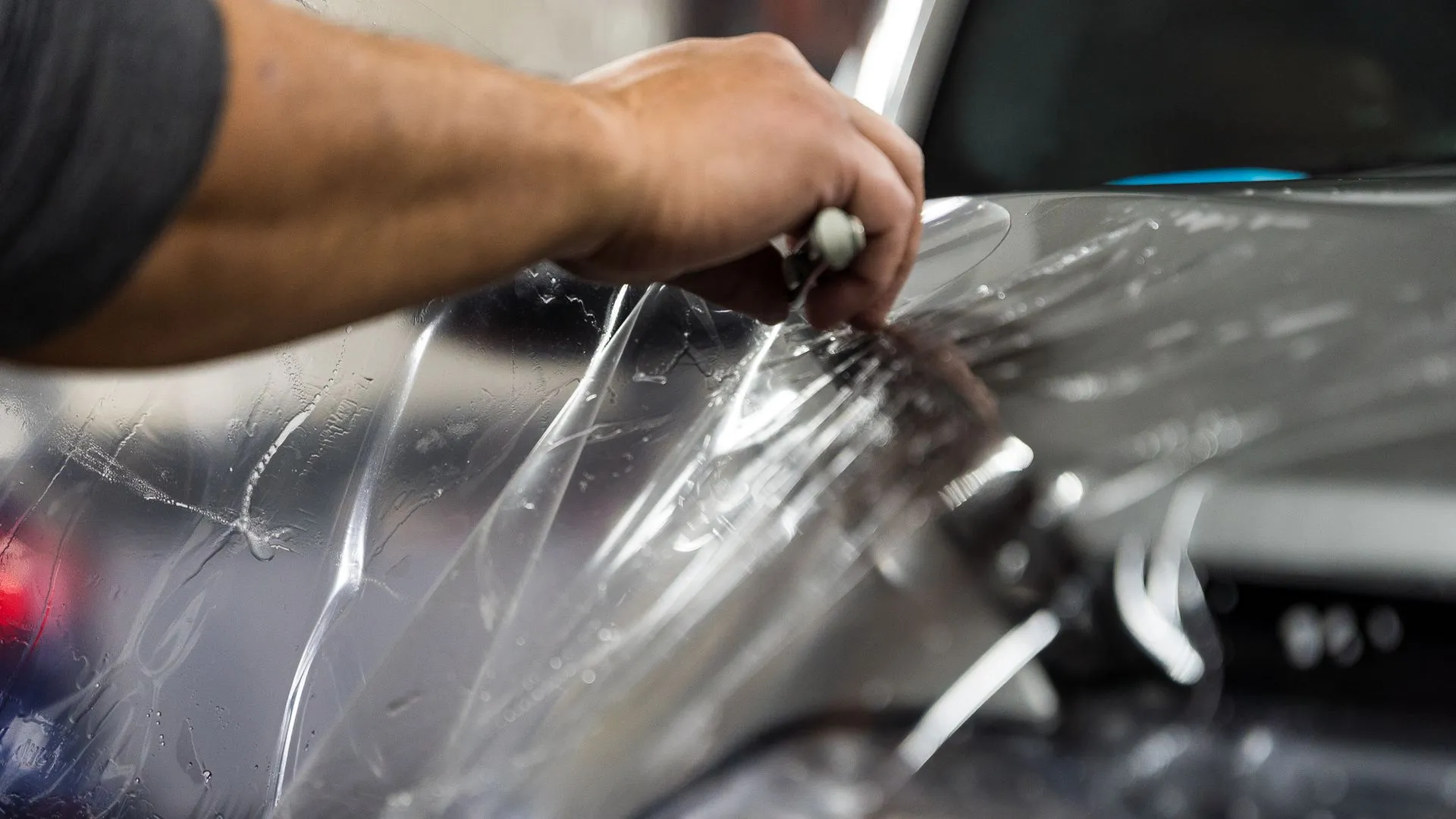
Most shops offer several coverage options, from partial front coverage focusing on high-impact areas to full vehicle coverage from bumper to bumper. A quote for partial front coverage will look very different from one covering the entire vehicle. When comparing estimates, make sure you're comparing similar coverage levels.
Your Vehicle's Design Affects Labor Time
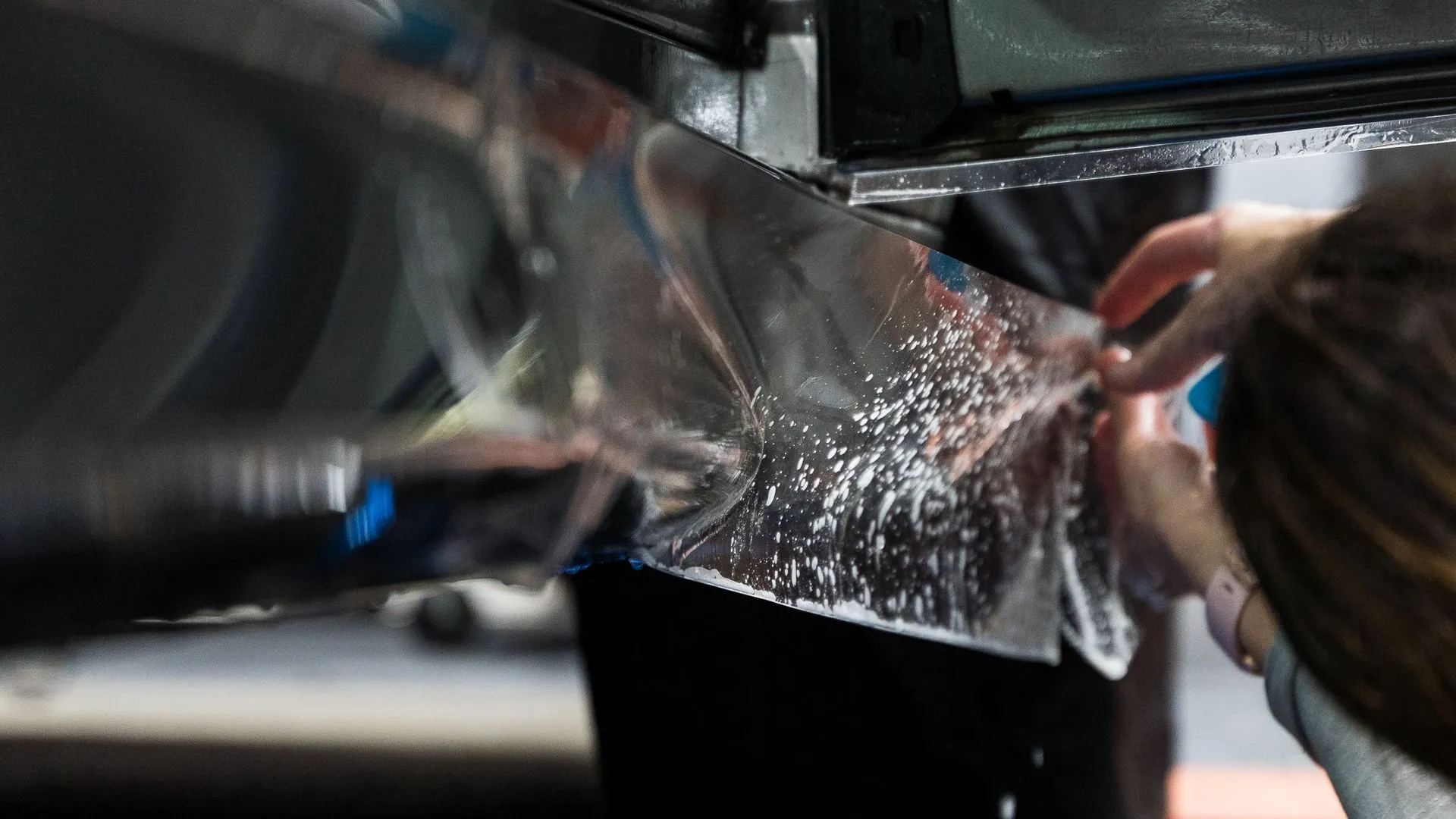
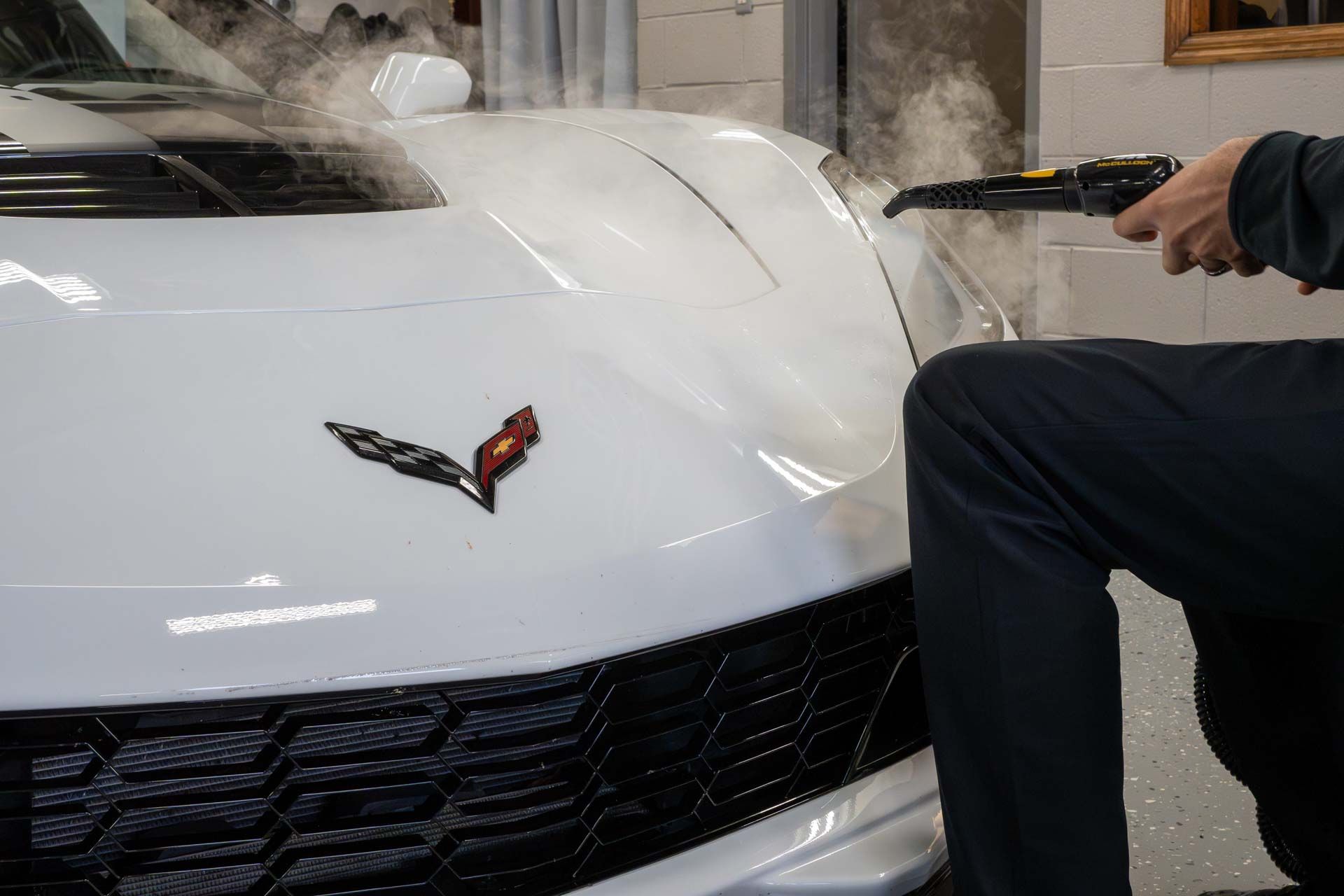
Not all vehicles are created equal when it comes to film installation difficulty. Some designs present challenges that take more time and skill to handle properly. Sharp body lines, complex grille patterns, and curved surfaces all increase installation time.
A straightforward SUV with gentle curves might take significantly less time than a sports car with aggressive styling. The labor portion of your quote reflects how long the installer expects to spend on your specific vehicle.
Film Quality Varies More Than You Might Think
All paint protection film is not the same. Different products offer different levels of clarity, durability, and self-healing capability. Better films typically cost more, and that cost gets passed along in your quote. Higher quality films generally provide better optical clarity, stronger resistance to yellowing, and longer manufacturer warranties.
When reviewing quotes, ask what film is being used. A lower price using inferior film might seem attractive, but you'll be looking at that film for years. Cloudy, yellowing film looks worse than no film at all.
Paint Condition Matters Before Installation
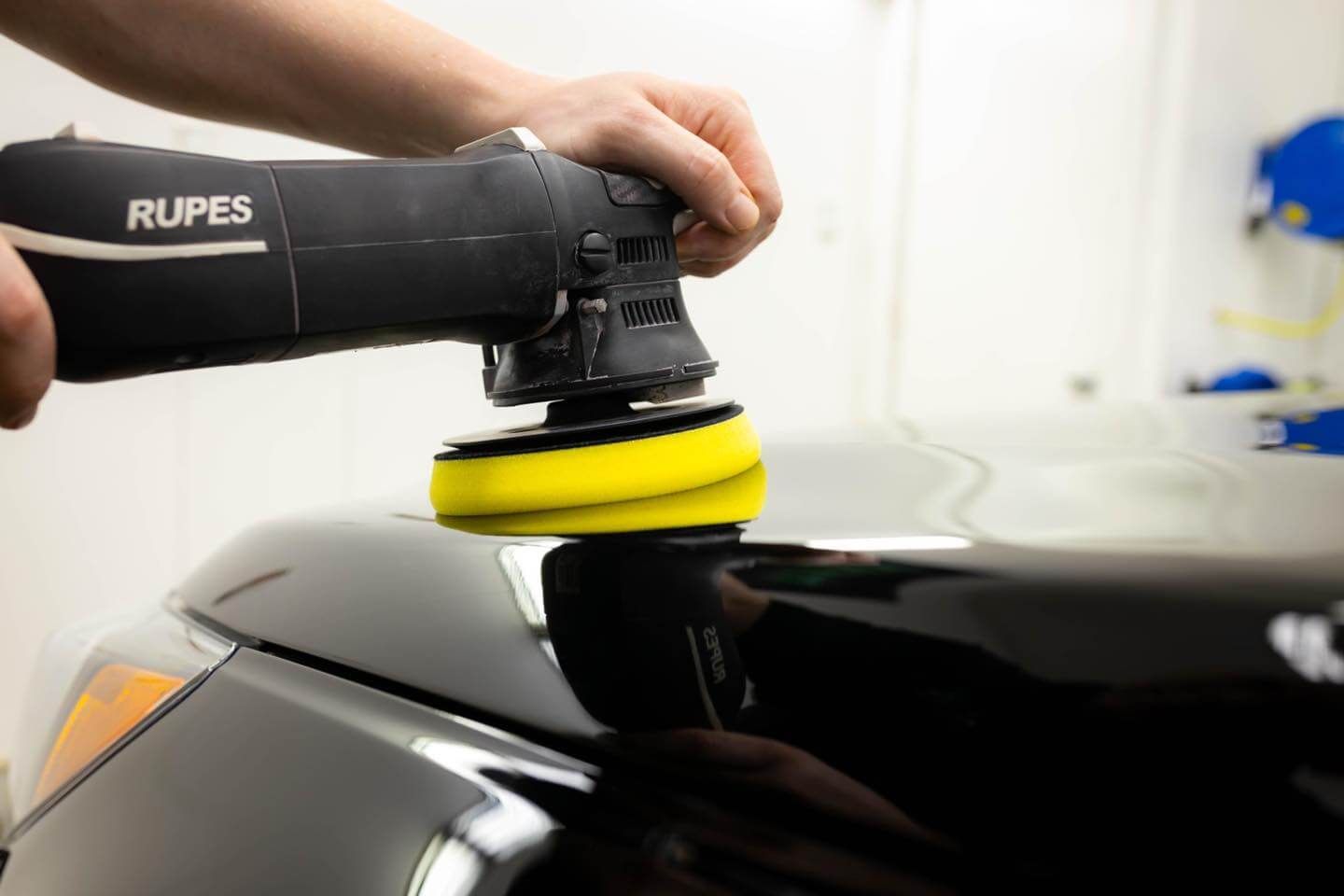
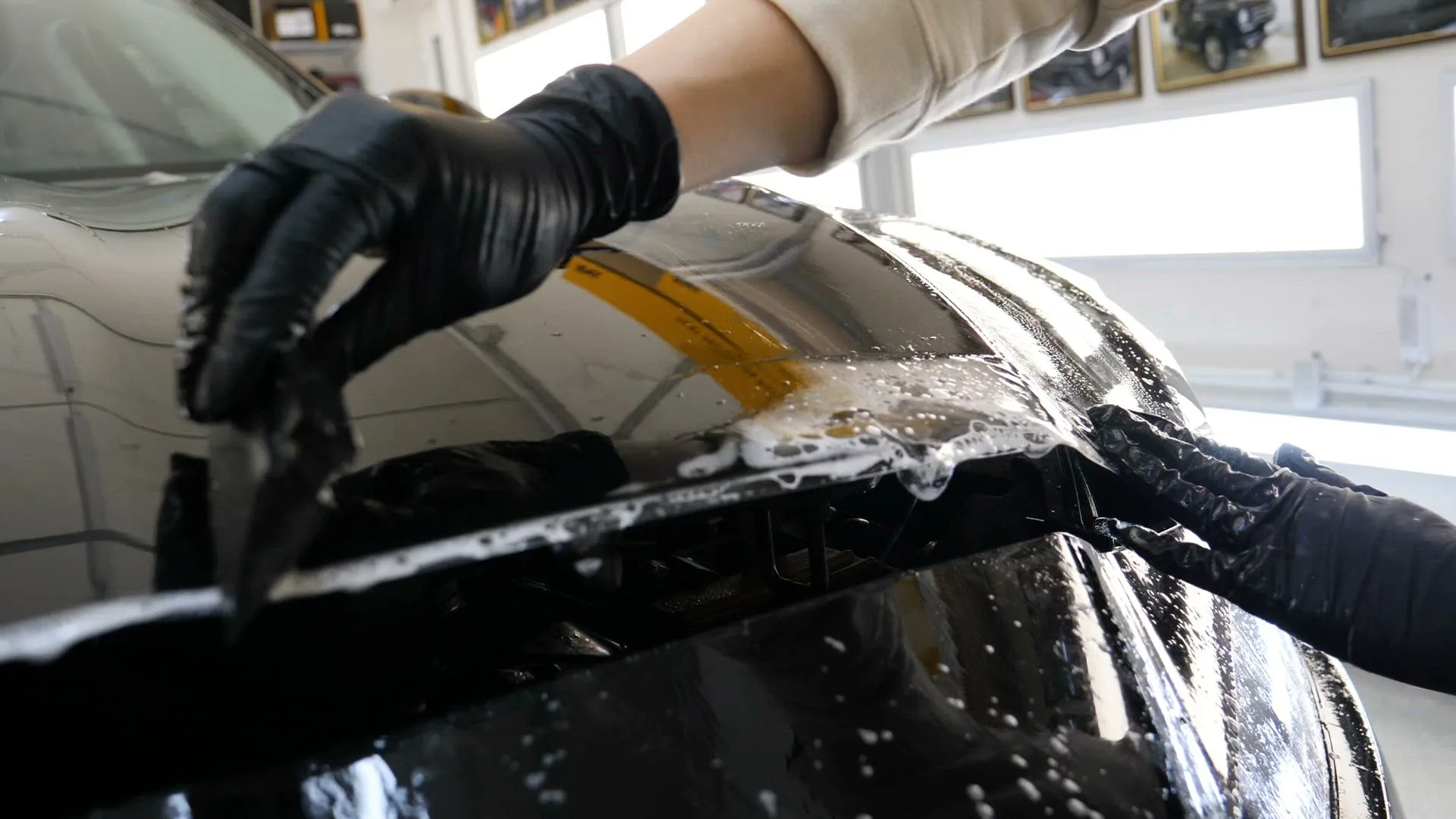
The state of your paint before installation affects both the process and the result. Film locks in whatever is underneath it, so existing issues need to be addressed first. Swirl marks, fine surface marring, and contamination all show through the film if not corrected beforehand.
Some quotes include paint correction and surface preparation as standard. Others quote the film installation separately and add prep work only if needed. A quote that looks lower might not include necessary preparation, leading to a surprise when you show up for your appointment.
Installation Environment and Equipment
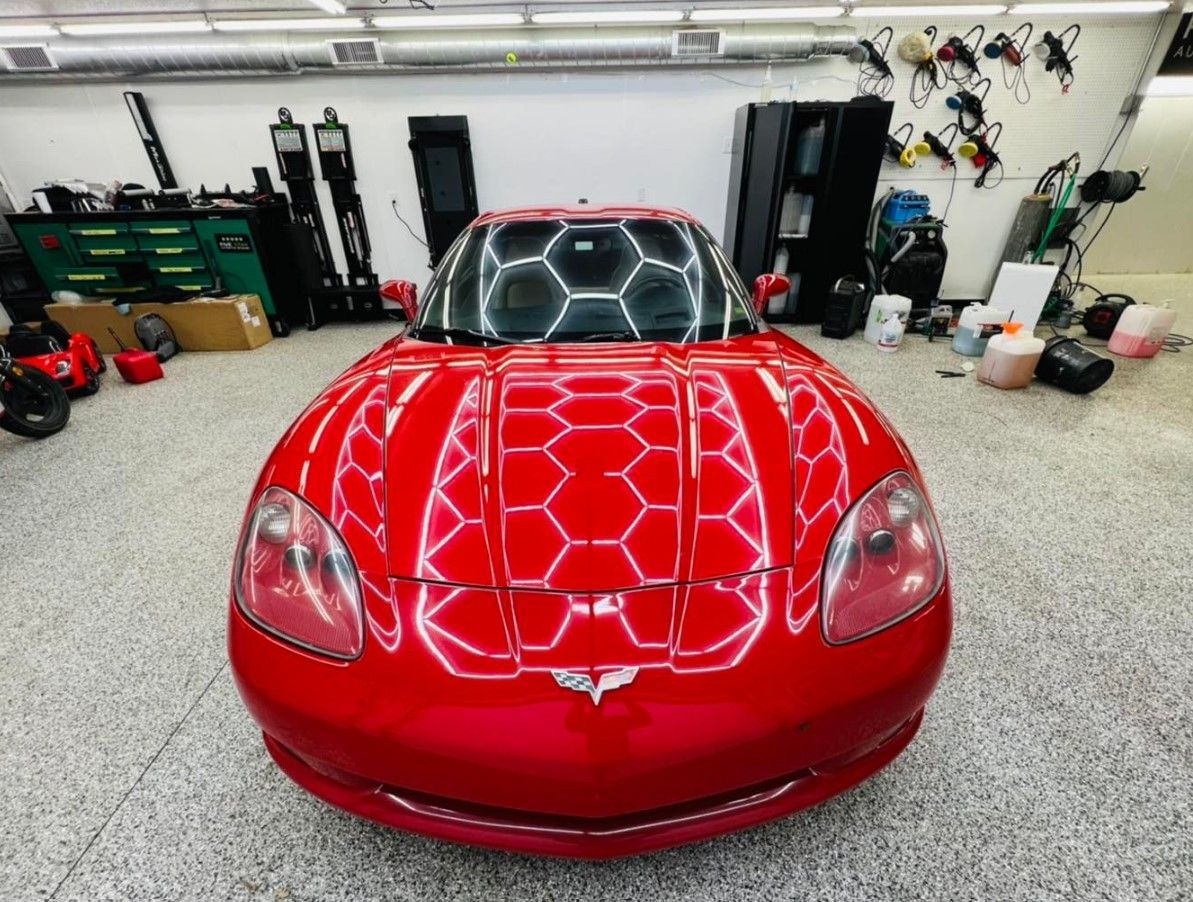
Where and how your vehicle gets worked on affects quality and cost. Professional installations happen in climate-controlled spaces with specialized lighting and proper tools. Shops investing in these facilities have higher overhead, which gets reflected in their pricing. This investment isn't about luxury. It's about creating conditions where quality work is actually possible.
Installer Experience Commands Fair Compensation
The person actually applying the film makes a tremendous difference in the final result. Experienced installers work more efficiently and produce better outcomes. Their skills command appropriate compensation.
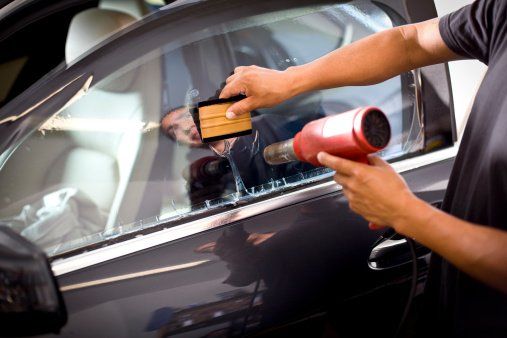
Experience affects how well edges wrap and seal, how invisible seams appear, and how long the installation lasts without issues. A less experienced installer might charge less, but the results often show the difference. Poor installation leads to lifting edges, visible seams, and premature failure.
Warranty Coverage and Support
What happens after installation matters too. Warranty coverage varies significantly between shops and film manufacturers. Consider the length of coverage, what's actually included, and the process for making claims. A lower-priced installation with minimal warranty protection isn't necessarily a good value if problems develop later.
What Fair Value Actually Looks Like
Balancing cost against value means thinking about the complete picture rather than just the initial number. Paint protection film cost represents an investment in preserving your vehicle's appearance and protecting your larger investment in the vehicle itself.
Fair value includes coverage that matches your actual protection needs, quality film that performs well over time, and professional installation with reasonable warranty coverage. The lowest-priced option rarely provides the best value over time. But the most expensive option isn't automatically the best either.
Getting Quotes That Help You Compare
When gathering estimates, getting useful information requires asking the right questions. Ask installers to specify exactly what coverage areas are included, what film is being used, what surface preparation is standard, and what warranty coverage applies. Generic quotes make meaningful comparison difficult.
Five Star Automotive Detailing is happy to walk you through these details. We believe informed decisions lead to satisfied customers.
Contact us to discuss your vehicle and get a clear understanding of what protection options make sense for your situation.
Frequently Asked Questions
Why do paint protection film quotes vary so much between shops?
Quotes differ because shops use different quality films, offer different coverage areas, and invest differently in facilities and training. A quote covering only your front bumper will be lower than one covering your hood, fenders, and mirrors. When comparing, verify quotes cover the same areas and ask about the film being used.
Does my vehicle's design affect the installation price?
Yes, vehicle design significantly impacts labor time. Cars with complex body lines, aggressive styling, or intricate grille patterns take longer to install properly. A straightforward truck or SUV typically costs less to cover than a sports car with challenging curves. Installers estimate time based on your specific vehicle.
Should I get paint correction before film installation?
If your paint has swirl marks or fine surface marring, correction before installation is worth considering. Film locks in whatever is underneath, so existing imperfections remain visible. Some quotes include preparation while others price it separately. Ask what preparation is included beforehand.
What questions should I ask when comparing quotes?
Ask what coverage areas are included, what film is being used, what surface preparation is standard, and what warranty applies. Also ask about installer experience. Getting specific answers lets you compare actual value rather than just numbers.
Is the lowest-priced paint protection film option ever worth it?
Budget options can work for some situations, but understand what you're giving up. Lower prices typically mean less coverage, lower quality film, or reduced warranty protection. If the film yellows, lifts, or fails early, the savings disappear. Consider total value over the film's lifespan.