
Owning a collector vehicle means more than just having something cool to drive on weekends. You're holding onto a piece of automotive history, and that comes with some responsibility. The paint on your classic car or exotic supercar isn't just about looks—it's a major factor in what your vehicle will be worth down the road.
Paint protection has come a long way from the old days of waxing every month. Modern solutions like car collector paint protection systems offer serious defense against everything trying to damage your investment. Whether you've got a numbers-matching muscle car or a limited-production supercar, understanding how to protect that finish matters more than most collectors realize.
Why Paint Protection Matters for Collector Vehicles
Think about what your vehicle faces even in careful storage. UV rays don't take breaks. Dust settles. Temperature swings happen. If you actually drive your collector car—and you should—then road debris, bug splatter, and environmental contaminants become real concerns.
Here's what makes collector vehicle care different from regular car maintenance:
- Your vehicle's originality affects its value in ways a daily driver never experiences
- Paint correction on rare colors or special finishes can be tricky or expensive
- Some classic cars have single-stage paint that behaves differently from modern clear coat
- Storage conditions vary, and protection needs change based on how you keep your vehicle
The right protection strategy keeps your paint looking correct while defending against the stuff that causes real damage over time.
Protection Options: Understanding What Works Best
Modern paint protection breaks down into a few main categories, and each one serves different needs for collectors.
Ceramic Coatings: Long-Term Defense
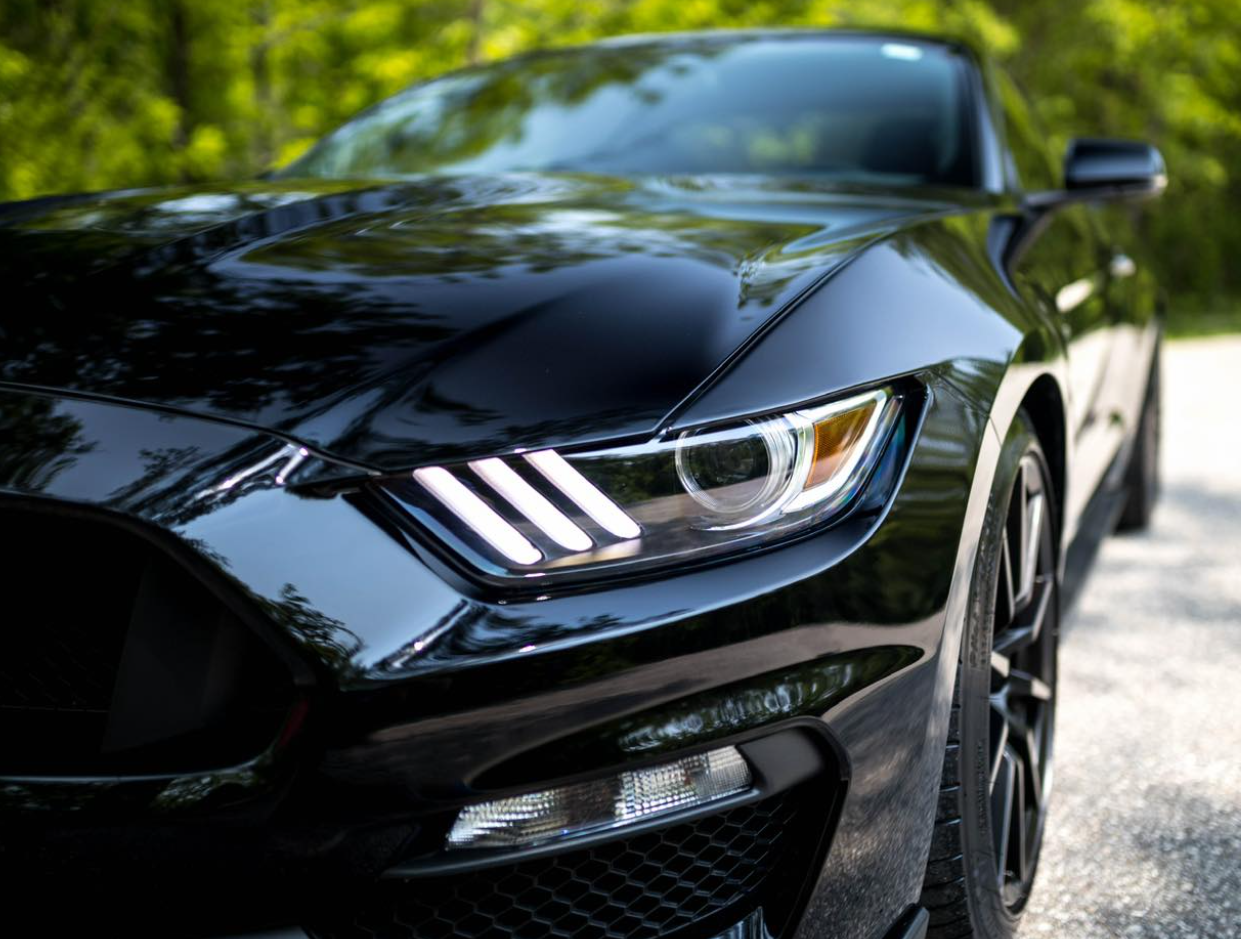
Ceramic coatings create a semi-permanent protective layer that bonds with your paint. For collectors, these coatings offer hydrophobic properties that make washing safer and less frequent. Water beads up and rolls off, taking contaminants with it.
The real advantage for automotive investment protection comes from UV resistance and chemical protection. Bird droppings, tree sap, and acid rain can etch into unprotected paint within hours. A quality ceramic coating buys you time to clean these hazards without permanent damage.
Application matters here. The multi-step process starts with paint decontamination and often includes correction work to remove any existing swirls or marks. You want your collector vehicle's paint to be perfect before sealing it under a coating that lasts for years.
Paint Protection Film: Physical Barrier Technology
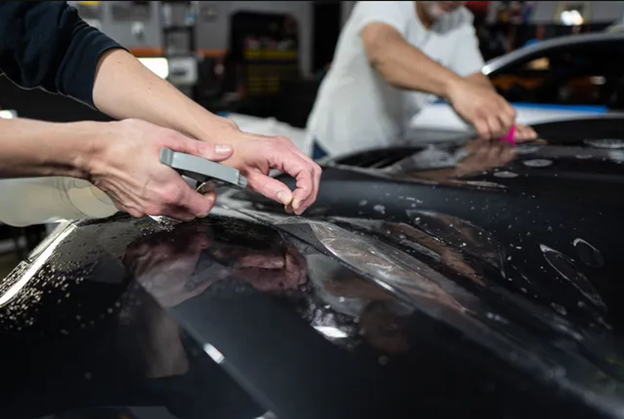
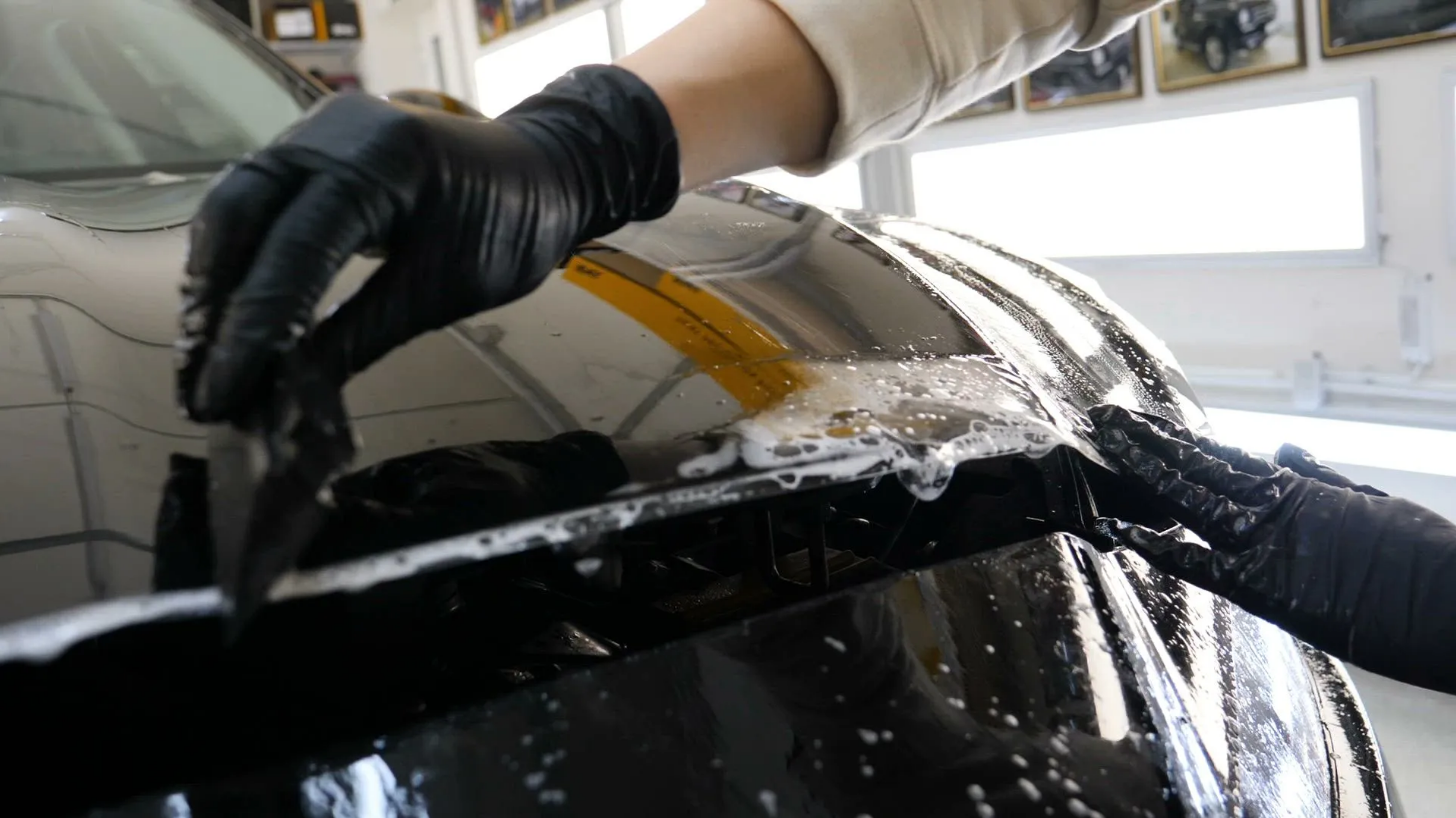
Paint protection film takes a different approach—it's a clear urethane film that absorbs impacts instead of your paint. For collectors who drive their vehicles at events, shows, or tours, PPF makes sense on high-impact areas.
The self-healing properties of modern PPF handle minor marks and swirl marks from washing. Heat from the sun causes the film to return to its original smooth state. That's particularly valuable on vehicles where you're trying to maintain that perfect show finish between events.
Coverage options range from partial front-end protection to full-body wraps. The decision depends on how much you drive, where you store the vehicle, and how perfectionist you are about condition.
Timing Your Protection Strategy
Getting the timing right matters more than collectors often realize. New vehicles or fresh restorations present the ideal canvas—clean, defect-free paint ready for protection. But many collector vehicles come with existing finish issues that need addressing first.
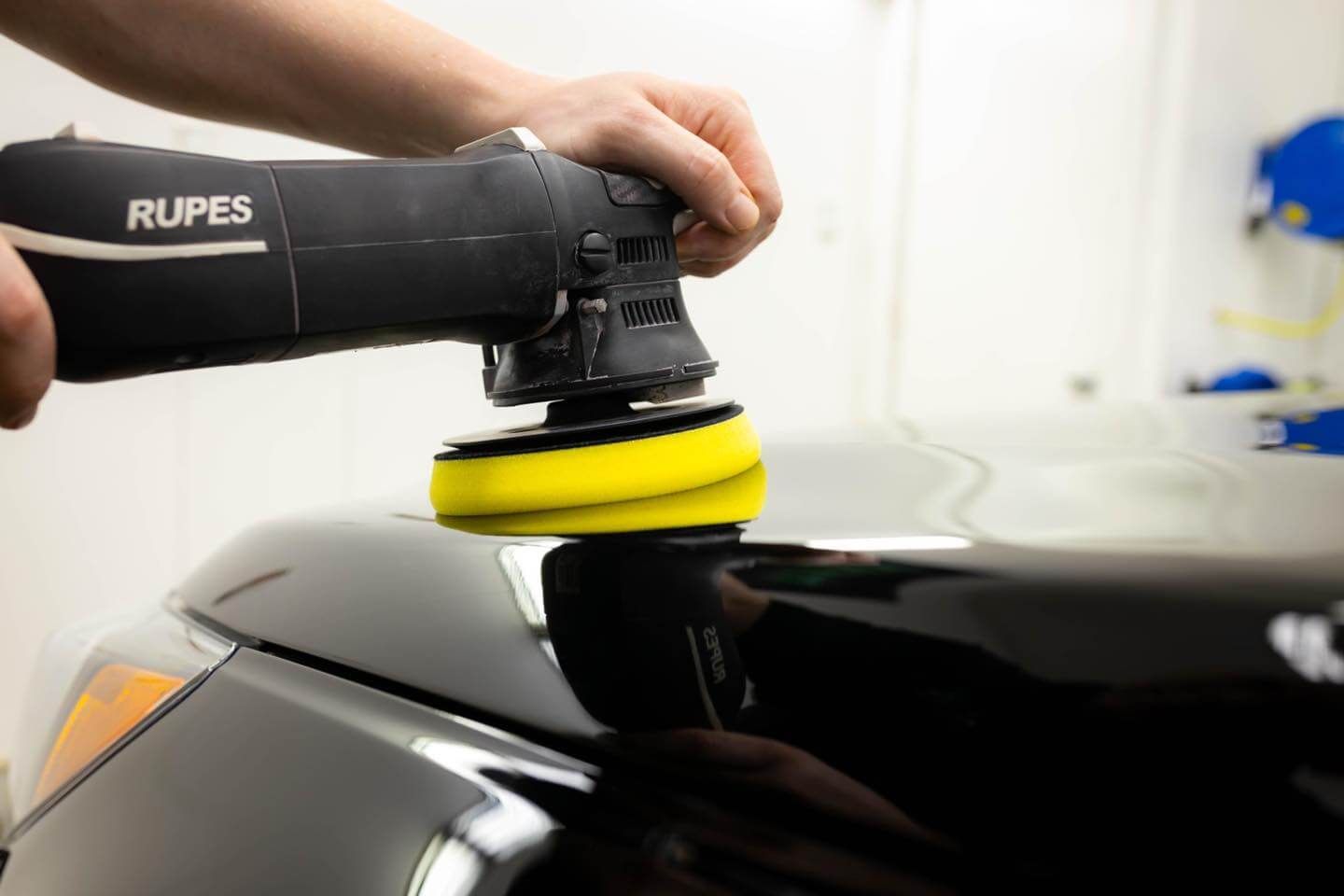
Paint correction becomes a necessary step before applying protection to older collector vehicles. This process removes swirls, marks, oxidation, and other defects that have accumulated over time. You don't want to seal imperfections under a coating that will last for years.
The correction process uses careful machine polishing to restore clarity and gloss. For single-stage paint on classics, this requires specific knowledge and technique. Modern clear coat systems behave differently and allow for different correction approaches.
Here's how to think about timing:
- Fresh restoration or new purchase: Apply protection immediately
- Well-maintained vehicle with minor defects: Correction followed by protection
- Neglected paint with heavy damage: Full restoration might be needed before protection makes sense
- Show vehicles needing perfection: Multi-stage correction plus premium protection
Maintenance Protocols That Preserve Value
Protection only works if you maintain it correctly. The maintenance approach for collector vehicles should be gentler and more methodical than typical car washing.
Start with the two-bucket wash method using pH-neutral soap. One bucket holds clean, soapy water; the other rinses your wash mitt. This simple system prevents swirls by keeping dirt out of your wash water. For collector vehicles, consider using separate mitts for different areas—one for painted surfaces and another for wheels and lower panels.
Drying matters just as much. Microfiber drying towels designed for detailing absorb water without dragging across paint. The blotting technique works better than wiping for protected finishes.
Between washes, regular inspection catches problems early. Check for:
- New chips or marks that need attention
- Contamination, like bug residue or bird droppings
- Changes in how water beads on ceramic-coated surfaces
- Edge lifting on paint protection film
Storage conditions affect how often maintenance is needed. Climate-controlled garages protect vehicles better than outdoor storage, but even indoor cars need periodic cleaning and inspection.
Advanced Protection for Investment-Grade Vehicles
Some collector vehicles demand more than standard protection. Investment-grade cars—the ones appreciating in value or historically significant—deserve comprehensive protection strategies.
Full-body paint protection film provides maximum physical defense while remaining invisible. Combined with a ceramic coating applied over the film, you get both impact resistance and hydrophobic properties. This layered approach represents the highest level of protection available.
Complete detailing packages should be part of regular maintenance for valuable collector vehicles. Professional detailing catches issues before they become problems and maintains the condition documentation important for serious collectors.
Consider additional protection for specific components:
- Wheel coatings prevent brake dust etching
- Window treatments improve visibility and ease of cleaning
- Interior protection maintains originality on rare upholstery
Making Protection Decisions That Match Your Collection
Your protection strategy should reflect how you use your vehicles. A garage queen staying covered except for occasional shows needs different protection than a car driven to events throughout the season.
Ask yourself these questions:
- How often does the vehicle see daylight?
- What's the storage environment like?
- Do you drive it or trailer it to events?
- How original does the paint need to remain?
- What's your budget for ongoing maintenance?
The answers guide decisions about which protection makes sense. Some collectors prefer ceramic coatings for the gloss enhancement and easy maintenance. Others want PPF for the physical protection of driven vehicles. Many serious collectors use both.
Working with detailing professionals who understand collector vehicles makes a difference. Experience with classic finishes, rare colors, and originality concerns matters when you're protecting something irreplaceable.
Ready to Protect Your Collector Vehicle Investment?
Your collector vehicle deserves protection that matches its significance. Whether you're preserving a family heirloom or managing an appreciating investment, the right paint protection strategy maintains value while letting you enjoy your vehicle.
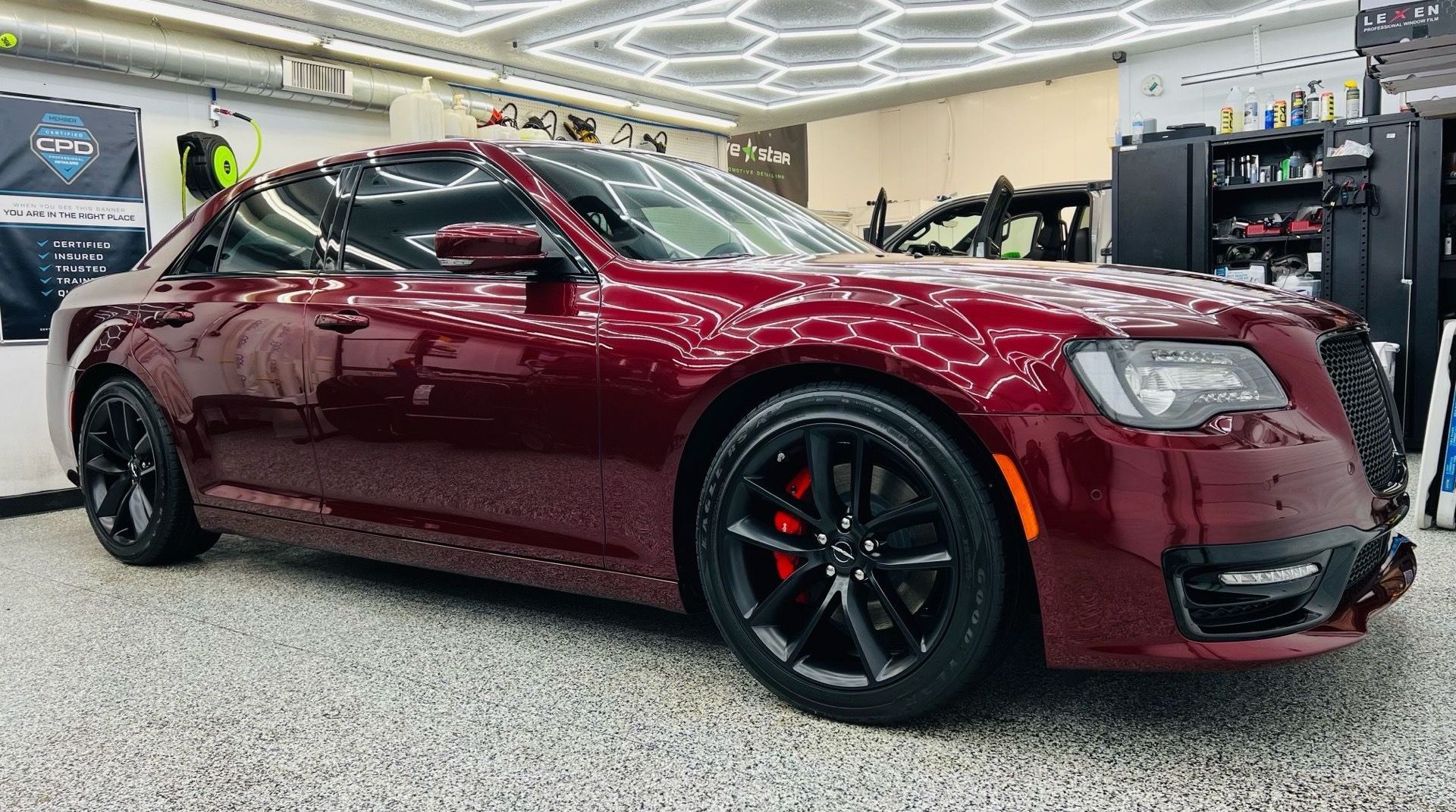
Five Star Automotive Detailing brings over 12 years of experience working with collector vehicles, classics, and investment-grade cars. Our team understands the unique requirements of serious collectors and provides protection solutions that preserve originality while defending against real-world hazards.
Contact us to discuss your collector vehicle protection needs and develop a strategy that matches your collection goals.
Frequently Asked Questions
How long does ceramic coating last on a collector vehicle?
Quality ceramic coatings last anywhere from one to seven years, depending on the specific product and maintenance. For collector vehicles that see limited use and stay garaged, coatings typically perform toward the upper end of that range. Regular maintenance with pH-neutral products helps coatings achieve their full lifespan. The protection remains effective throughout its rated period, though periodic inspection ensures everything stays in good shape.
Should I use paint protection film on a restored classic car?
Paint protection film works great on restored classics, especially if you plan to drive the vehicle. The film protects your investment from rock chips and road debris without affecting originality since it's completely clear and removable. Many collectors apply PPF to high-impact areas like the front bumper, hood, and fenders while leaving other panels unprotected. This balanced approach provides protection where it matters most without covering the entire vehicle.
Can paint protection increase my collector car's resale value?
Protected paint definitely helps maintain value by preventing the deterioration that occurs over time. Buyers appreciate vehicles with documented protection and maintenance history. However, protection itself doesn't add value the way rare options or low mileage do. Think of it as preserving the value you already have rather than creating new value. A well-protected vehicle with flawless paint will always command stronger prices than a similar car with a damaged or faded finish.
What's the best protection for a car stored long-term?
Long-term storage benefits most from ceramic coating because it provides chemical and UV protection without requiring frequent maintenance. The coating prevents oxidation and makes it easier to remove dust and contaminants when you do clean the vehicle. Combine the coating with a quality car cover and climate-controlled storage for complete protection. Paint protection film matters less for stored vehicles since physical impacts aren't a concern, though some collectors still use it for comprehensive protection.
How often should I detail a collector vehicle with ceramic coating?
Collector vehicles with ceramic coating need professional detailing less frequently than unprotected cars, but regular maintenance still matters. Most collectors schedule professional detailing once or twice yearly, with careful hand washing between appointments. The coating makes washing safer and easier, so you can maintain the vehicle yourself without risking swirl marks. Annual inspections by detailing professionals catch any issues early and keep the coating performing as designed throughout its lifespan.