
Your car sits outside most days, taking whatever Mother Nature throws at it. Rain, sun, snow, and heat—all of it hits your paint constantly. You might think washing your car now and then keeps things fine, but weather paint damage happens slowly and silently until one day you notice the finish doesn't look quite right anymore.
The good news? Understanding how different weather conditions harm your paint helps you protect against them. Even better news—modern ceramic coating weather protection gives your vehicle serious defense against environmental threats that used to be pretty much unavoidable.
What Weather Actually Does to Your Paint
Paint isn't just there to make your car look good. It protects the metal underneath from rust and corrosion. But paint itself needs protection from the elements, which are constantly working to break it down.
Think of your car's clear coat like sunscreen. It helps, but it wears off over time. Weather speeds up that process in ways most people don't realize until the damage shows up.
UV Rays: The Silent Paint Killer
Sunlight does more than heat up your car. Those UV rays break down the chemical bonds in your paint and clear coat. This process, called oxidation, turns your once-shiny finish dull and faded.
Here's what UV damage looks like over time:
- Paint loses its depth and gloss
- Colors fade, especially reds and blacks
- The clear coat gets chalky and rough to the touch
- Eventually, the paint starts cracking or peeling
Cars parked outside all day face the worst UV exposure. Even garage-kept vehicles get hit when they're out and about. The damage adds up year after year.
Rain and Moisture: More Than Just Water
Rain seems harmless enough, right? Just water falling from the sky. Not quite. Modern rain picks up pollutants as it falls through the atmosphere, turning into a weak acid by the time it hits your car.
Acid rain etches into paint, especially if it sits there and dries. Those water spots you see after a rainstorm? That's not just water—it's mineral deposits and contaminants that bonded with your paint. Scrubbing them off can damage the clear coat if you're not careful.
Humidity causes its own problems. Moisture gets into tiny imperfections in your paint and accelerates oxidation from the inside. In humid climates, this happens faster than you'd expect.
Temperature Swings: Expansion and Contraction
Your car's paint expands when it heats up and contracts when it cools down. This happens every single day, especially in places with big temperature differences between morning and afternoon.
Over time, these constant cycles weaken the paint's structure. Micro-cracks form in the clear coat. These cracks let moisture and contaminants penetrate deeper, causing more damage below the surface.
Winter brings extra challenges. Road salt used for ice melting is incredibly corrosive. It clings to your car and eats away at paint, especially in wheel wells and lower panels where spray accumulates.
Environmental Contaminants: The Everyday Threats
Bird droppings, tree sap, bug splatter, and industrial fallout—your car faces constant bombardment from stuff that actively damages paint. These contaminants contain acids and chemicals that etch into the clear coat within hours if left sitting.
Automotive environmental protection means defending against all these threats simultaneously. No single solution is used to handle everything well. That changed with ceramic coating technology.
How Ceramic Coating Creates a Weather Defense System
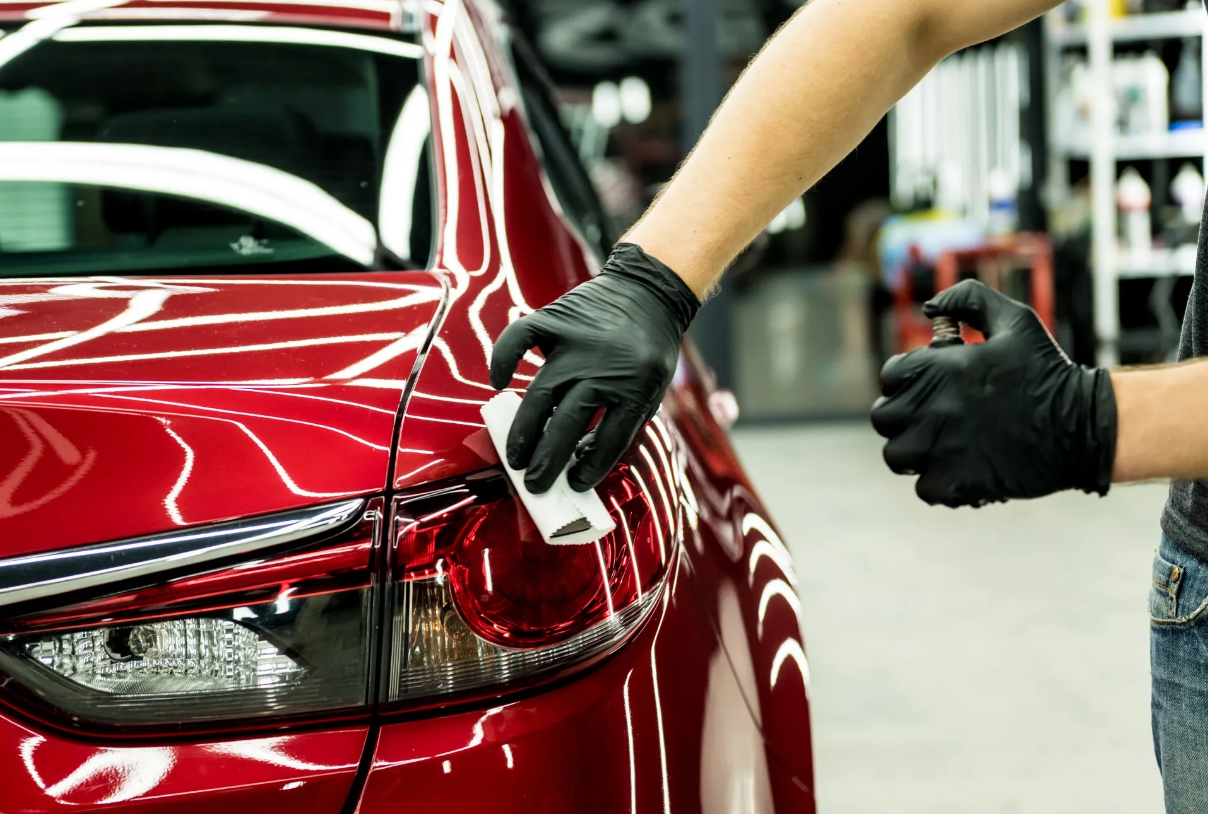
Ceramic coatings work differently from wax or sealants you might be used to. Instead of sitting on top of paint, they chemically bond with the clear coat to create a protective layer that becomes part of your car's finish.
The Science Behind the Protection
Ceramic coatings use nanotechnology to form an incredibly hard, glass-like surface over your paint. This layer measures only a few microns thick, but it creates a barrier between your paint and the environment.
The coating's chemical structure provides several key protections:
- UV-resistant molecules block harmful rays from reaching your paint
- Hydrophobic properties cause water to bead up and roll off quickly
- Chemical resistance prevents acids and contaminants from bonding with the paint
- Heat tolerance handles temperature swings without breaking down
Unlike wax, which needs reapplication every few months, ceramic coatings last for years once properly applied. The protection stays consistent throughout that timeframe.
Water Behavior Makes All the Difference
Watch what happens when water hits a ceramic-coated car. It beads up into tight balls and slides right off, taking dirt and contaminants with it. This hydrophobic effect does more than look cool—it prevents water from sitting on your paint.
When water can't sit on the surface, several good things happen:
- Acid rain doesn't have time to etch into paint
- Mineral deposits can't form those stubborn water spots
- Contaminants wash away instead of baking onto the surface
- Your car stays cleaner between washes
The less time water spends on your paint, the less damage it causes. Simple concept, but it makes a huge difference over months and years.
UV Protection That Actually Lasts
Most waxes and sealants provide some UV protection, but it degrades quickly. A ceramic coating's UV-blocking properties remain effective throughout its lifespan because they're built into the coating's molecular structure.
This consistent UV defense prevents oxidation from starting in the first place. Your paint maintains its gloss and color depth instead of slowly fading away. For dark-colored cars, especially, this protection matters a lot.
Chemical Resistance for Daily Threats
Bird droppings hit your car. You can't wash it immediately. With ceramic coating, you've got time. The coating's chemical resistance prevents acids from etching through to your paint right away.
The same goes for tree sap, bug guts, and road grime. These contaminants sit on top of the coating instead of bonding with your paint. When you do wash them off, they come away cleanly without requiring aggressive scrubbing that could damage unprotected paint.
Climate-Specific Benefits Worth Knowing
Different climates create different challenges for your car's paint. Ceramic coating weather protection adapts to whatever environment you're in.
Hot and Sunny Climates: UV Defense Priority
Living somewhere with intense sun year-round? UV damage becomes your biggest concern. Paint oxidizes faster in these conditions, and heat accelerates the breakdown of waxes and sealants.
Ceramic coating maintains its protective properties despite constant sun exposure. The coating itself won't break down or require frequent reapplication like traditional protection methods. Your paint stays protected through brutal summer after brutal summer.
Cold and Snowy Areas: Salt and Ice Protection
Winter weather means road salt, which is basically putting corrosive chemicals all over your car. Traditional protection offers minimal defense against this aggressive threat.
The chemical-resistant barrier of ceramic coating prevents salt from directly contacting your paint. Combined with the hydrophobic properties that help water and slush slide off, you get better protection against winter's worst damage.
Regular washing during winter becomes easier too. Salt and grime don't bond as strongly to the coated surface, so they rinse away more completely.
Humid and Rainy Regions: Moisture Management
High humidity and frequent rain create perfect conditions for oxidation and contaminant damage. Moisture finds its way into every imperfection, and acid rain happens more often than most people realize.
Ceramic coating's hydrophobic surface manages moisture brilliantly. Rain sheets off instead of sitting in beads. Humidity can't penetrate the coating to attack your paint underneath. The result? Paint that stays in better condition despite constant exposure to moisture.
Mixed Climate Considerations
Live somewhere with hot summers and cold winters? You're dealing with every type of weather damage throughout the year. Temperature swings, UV exposure, road salt, humidity—your paint faces it all.
This makes weather paint damage protection even more important. A coating that handles multiple environmental threats simultaneously gives you year-round defense without needing to change your protection strategy seasonally.
Making Protection Work for Your Situation
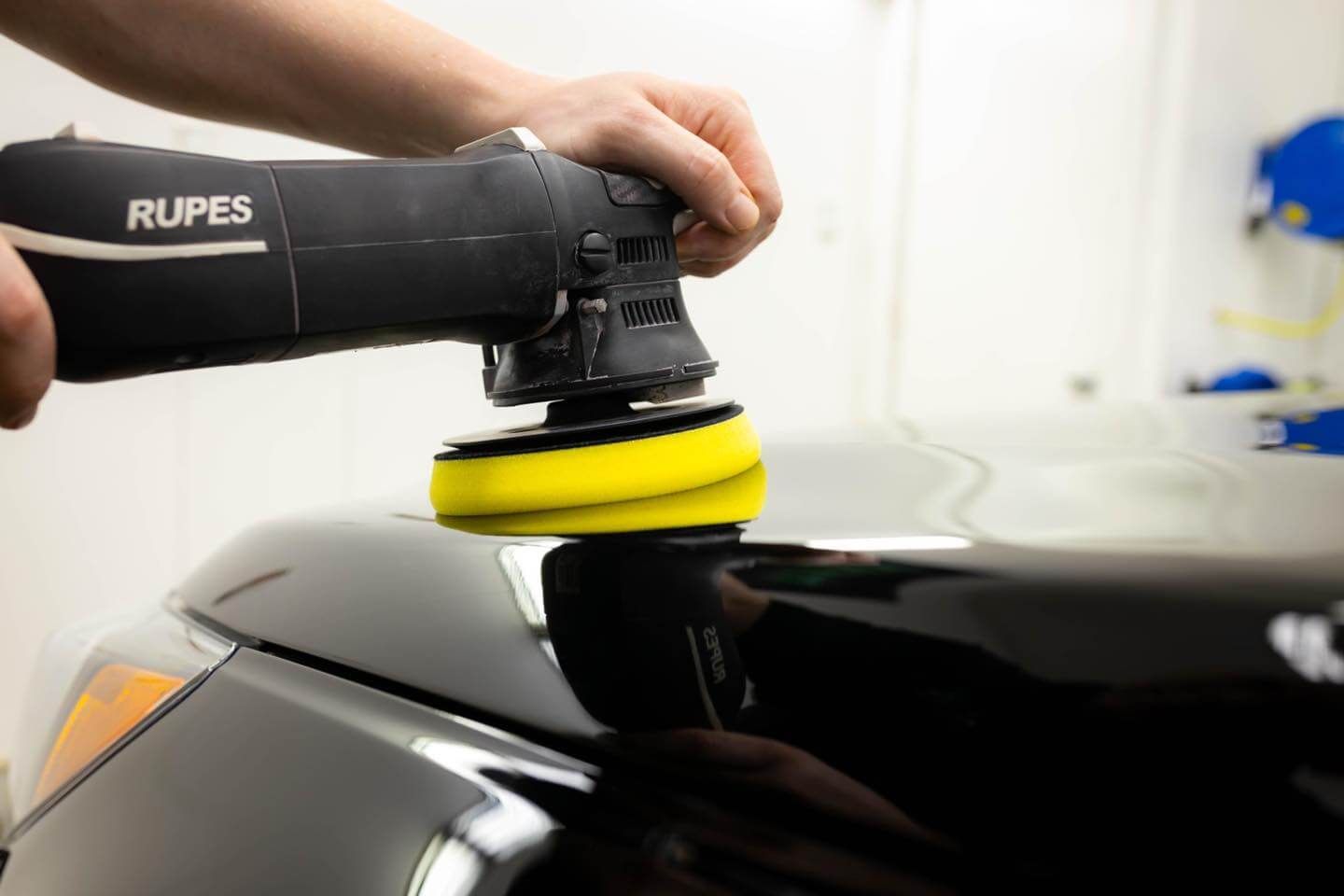
Understanding the problems is one thing. Doing something about them is another. Paint correction often makes sense before applying ceramic coating, especially if your car already has weather damage.
The correction process removes existing oxidation, water spots, and other defects that accumulated before protection. Starting with clean, defect-free paint means your coating performs better and looks better throughout its lifespan.
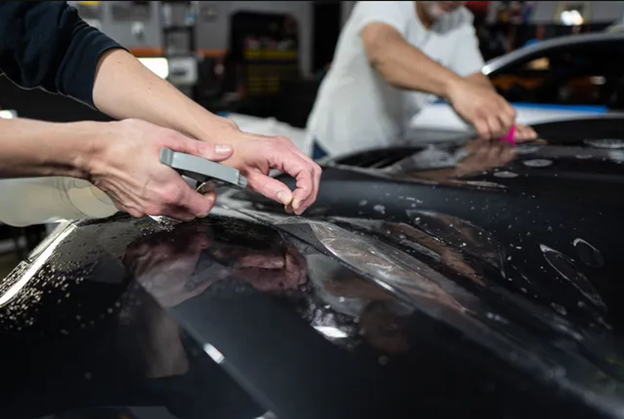
Application quality matters just as much as the coating itself. The multi-step process includes thorough paint decontamination, careful surface preparation, and precise coating application. Each step affects how well the coating bonds and how long it lasts.
Complete detailing services maintain your coating's effectiveness over time. While ceramic coating reduces maintenance needs significantly, periodic professional care keeps everything performing as designed.
Protecting Your Investment from Weather Damage
Your car's paint takes a beating from the weather you can't control. UV rays, temperature swings, acid rain, and road salt—these environmental factors slowly damage paint whether you realize it's happening or not. By the time you notice fading or oxidation, significant damage has already occurred.
Ceramic coating provides consistent protection against all these weather-related threats. The technology creates a durable barrier that lasts for years while maintaining its protective properties. Your paint stays in better condition, looks better, and requires less aggressive maintenance to keep it that way.
Five Star Automotive Detailing specializes in professional ceramic coating applications that stand up to whatever weather conditions you face. Our team understands how environmental factors damage paint and applies coatings with the precision necessary for lasting protection.
Contact us to learn how ceramic coating can protect your vehicle from weather damage specific to your climate and driving conditions.
Frequently Asked Questions
How does ceramic coating protect against UV damage better than wax?
Ceramic coating bonds chemically with your paint to create a permanent protective layer that contains UV-blocking molecules throughout its structure. Wax sits on top of paint and breaks down quickly under UV exposure, requiring frequent reapplication. The coating's UV protection remains consistent for years because it's built into the coating itself rather than being a temporary barrier that wears away. This means your paint stays protected from oxidation and fading throughout the coating's lifespan without requiring frequent reapplication.
Will ceramic coating prevent water spots completely?
Ceramic coating significantly reduces water spotting by making water bead up and roll off quickly, but it doesn't make it impossible. The hydrophobic properties mean water doesn't sit on the surface where mineral deposits can form, so you'll see far fewer water spots than on unprotected paint. When spots do occur, they sit on top of the coating rather than etching into your paint, making them much easier to remove. Regular washing and occasional maintenance keep your coating performing its best at preventing water spot formation.
Does ceramic coating help with winter road salt damage?
Yes, ceramic coating provides excellent protection against road salt corrosion. The coating creates a chemical-resistant barrier that prevents salt from directly contacting your paint and eating away at it. The hydrophobic properties also help slush and salt spray slide off more easily rather than clinging to your vehicle. While you should still wash your car regularly during winter to remove salt buildup, the coating prevents the corrosive chemicals from causing the serious damage they would on unprotected paint.
How long does ceramic coating last in harsh weather conditions?
Quality ceramic coatings last anywhere from one to seven years, depending on the specific product applied. Even in harsh weather conditions with extreme temperatures, intense UV exposure, or heavy precipitation, the coating maintains its protective properties throughout its rated lifespan. The coating doesn't break down from weather exposure the way waxes and sealants do. Regular maintenance with proper washing techniques helps coatings achieve their full lifespan even when facing challenging environmental conditions year-round.
Should I apply ceramic coating myself or hire a professional?
A professional application ensures the coating bonds correctly and performs as designed. The process requires thorough paint decontamination, proper surface preparation, controlled application conditions, and a precise technique that takes training to master. Mistakes during application can result in uneven coating, poor bonding, or reduced protection that defeats the purpose of using ceramic coating in the first place. Professional installers also have access to higher-quality products and the experience to handle different paint types and conditions correctly for lasting weather protection.