You just drove that new truck off the lot. The paint gleams. Everything underneath sits in perfect shape. And then someone mentions Minnesota winters and road salt.
That concern is valid. Truck undercoating is something worth thinking about before your first salted winter, not after years of exposure have given corrosion a head start. Your new truck represents a major investment, and taking steps now makes more sense than waiting.
Does a Brand New Truck Really Need Protection?
This question comes up often, and the answer might surprise you. Factory coatings provide some defense, but they are designed as baseline protection rather than heavy-duty armor against road salt.
New truck ownership comes with an assumption that everything is covered. The reality is that most manufacturers apply a standard coating to the undercarriage. It works fine in mild conditions. Minnesota winters are not mild.
The factory underbody coating handles normal conditions reasonably well. But "normal" doesn't describe months of salt spray, brine treatments, and freeze-thaw cycles that trap moisture in every seam and joint. What the factory applied will face conditions it was never designed to handle fully.
Your truck arrives with a clean slate underneath. No existing rust. No salt residue packed into hidden spots. That perfect starting point disappears once winter conditions begin.
Where Corrosion Finds a Foothold First
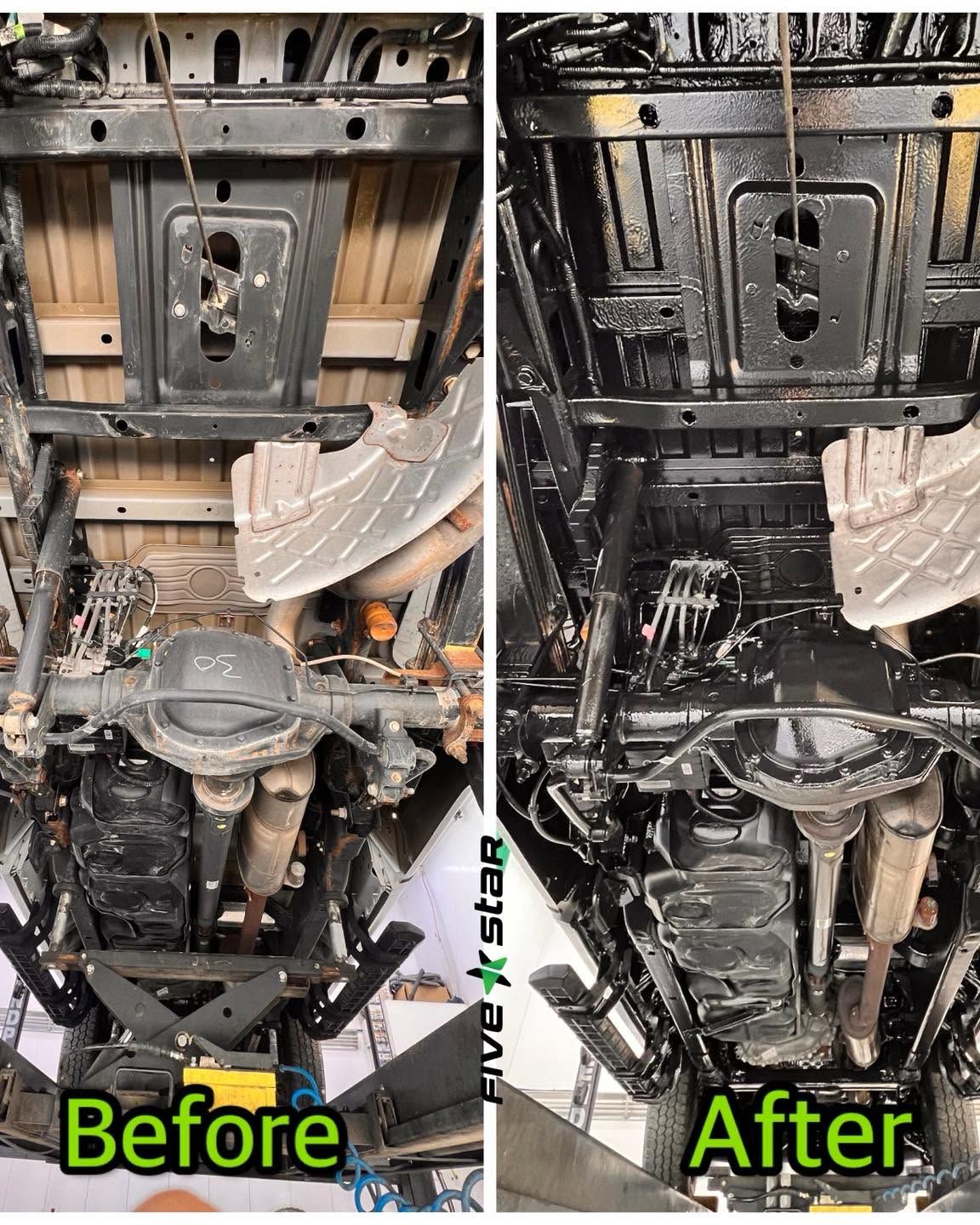
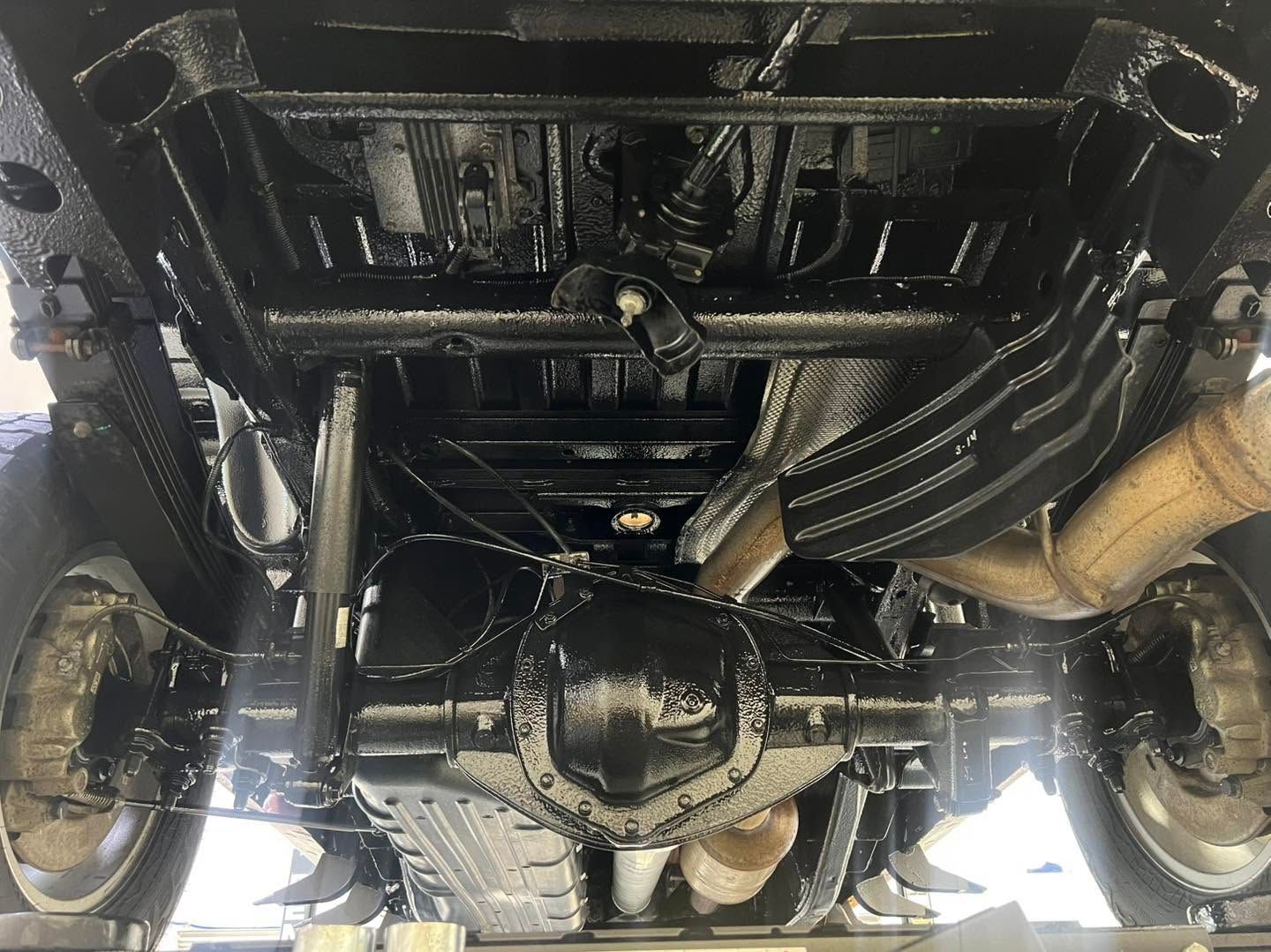
Salt and moisture work their way into specific spots before spreading outward. The frame and components most vulnerable include:
- Frame rails where road spray collects
- Crossmembers that take direct hits from slush
- Suspension mounting points exposed to constant moisture
- Brake and fuel line brackets where salt accumulates
- Seams and welded joints that trap water
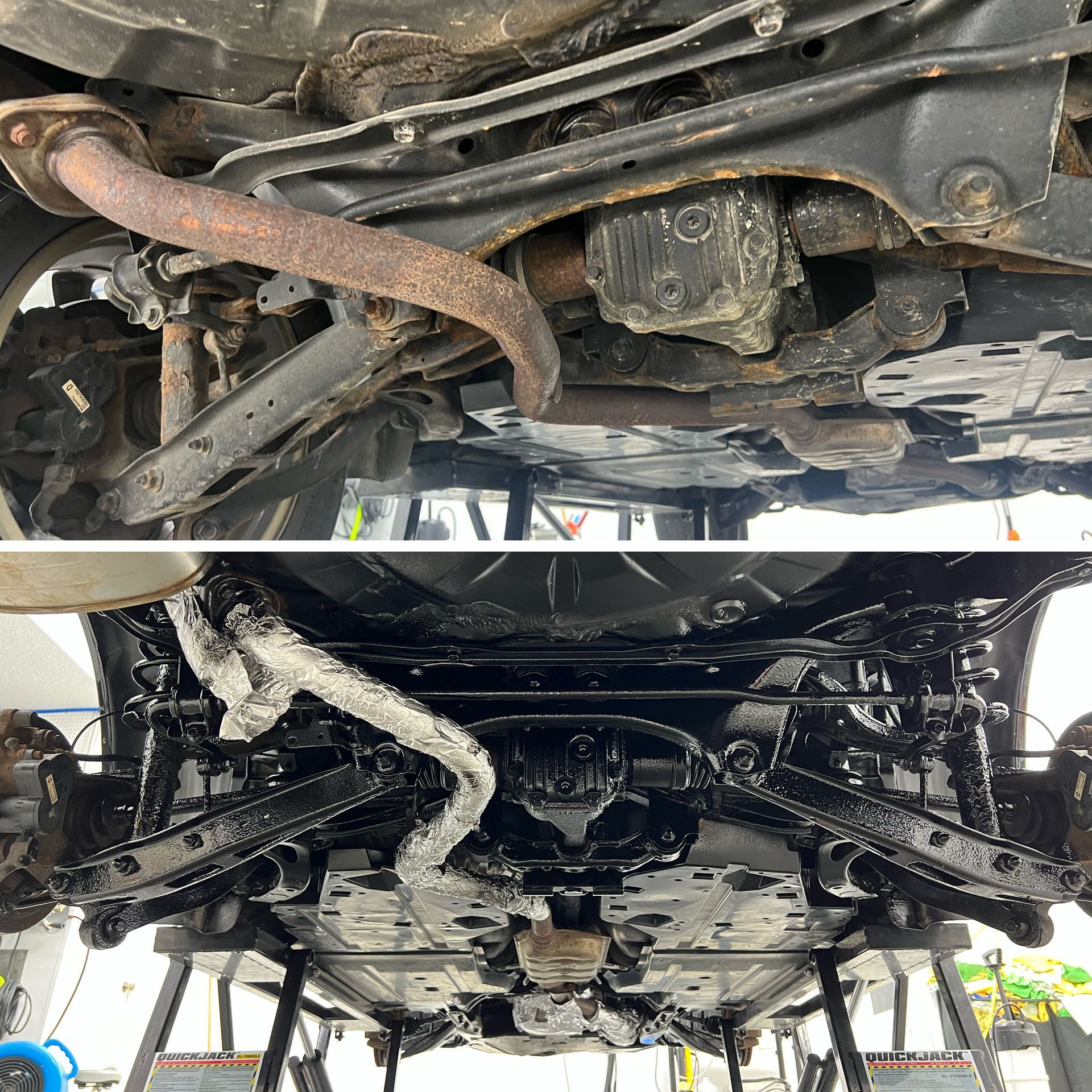
These areas don't get washed by rain the way painted surfaces do. Road grime builds up, salt-laden moisture sits against metal, and corrosion begins its slow work out of sight. By the time rust shows where you can see it, the damage underneath has often been progressing for years.
Why Treating the Underbody Early Protects Your Purchase
Truck undercoating applied before winter salt exposure begins works better than trying to reverse damage after the fact.
Clean metal accepts protective coatings properly. There's no contamination to work around, no existing rust to address, no buildup to remove first. The protective barrier bonds to surfaces exactly as intended.
Once salt exposure begins, every passing month adds complications. Salt residue clings to metal. Moisture finds gaps in factory protection. Corrosion starts in hidden pockets where cleaning becomes difficult.
Treating a new truck means preserving what you already have. Treating an older truck with existing issues means restoration before protection can begin.
What This Means for Resale Value
Your truck holds value better when the underbody stays solid. Buyers and dealers check underneath during inspections, and structural rust raises red flags that affect what anyone will pay.
Resale value takes a hit when frame corrosion appears. The damage doesn't need to be severe to matter. Even surface rust on structural components signals potential problems to buyers.
A protected underbody tells a different story. For truck owners planning to keep their vehicle several years, the protection pays back through preserved trade-in value. What you spend on undercoating today is small compared to what frame rust costs you later.
The Minnesota Factor
Some places are easier on vehicles than others. Minnesota is not one of them.
Road crews here use salt heavily. It splashes underneath, coats every surface it can reach, and stays there. The brine solutions used for pretreatment stick to metal better than granular salt. They work into every gap and crevice.
Add freeze-thaw cycles that expand and contract metal, and you have conditions that test any protective coating. Winter salt exposure here goes far beyond what vehicles in warmer regions experience.
What Protection Involves
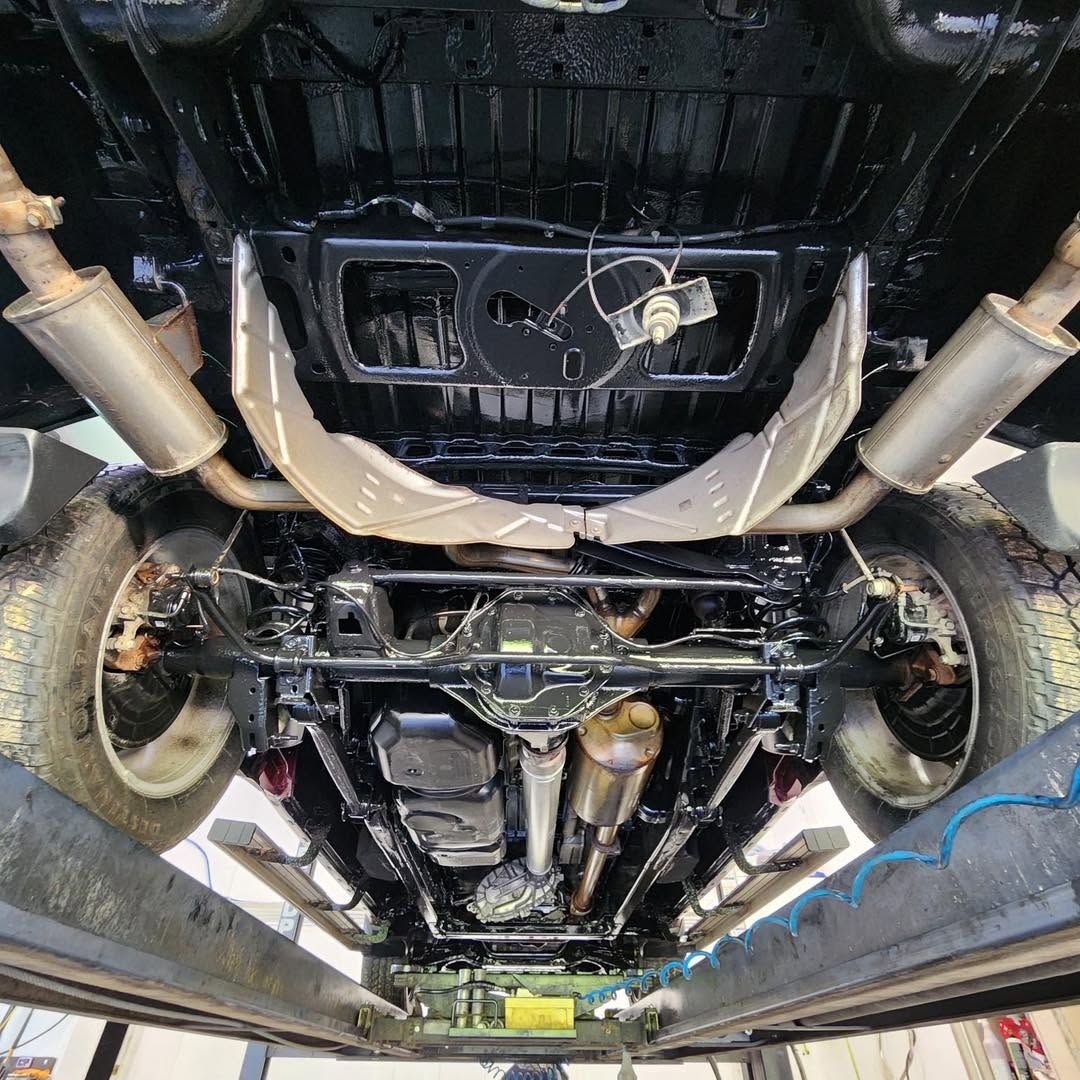
Quality truck undercoating reaches the vulnerable areas that factory applications miss. The process involves thorough cleaning first, since protective coatings bond best to clean surfaces. Then application focuses on structural components, seams, and hidden cavities where moisture collects.
Five Star Automotive Detailing takes time with this process because shortcuts create gaps. The protective coating creates a barrier between metal and the salt-laden environment attacking it. It remains pliable across hot and cold conditions and gets into the joints and seams where problems typically begin.
Timing Your Decision
Fall represents the ideal window for this work. The factory underbody has not yet faced salt exposure. Temperatures still allow for proper application and curing.
New truck ownership in Minnesota means thinking about winter readiness early. Waiting until January means your truck has already spent months facing the conditions you wanted to prevent.
Contact us to discuss your situation. We can look at your truck, answer questions, and help you decide whether protection makes sense.
Taking Care of the Complete Vehicle
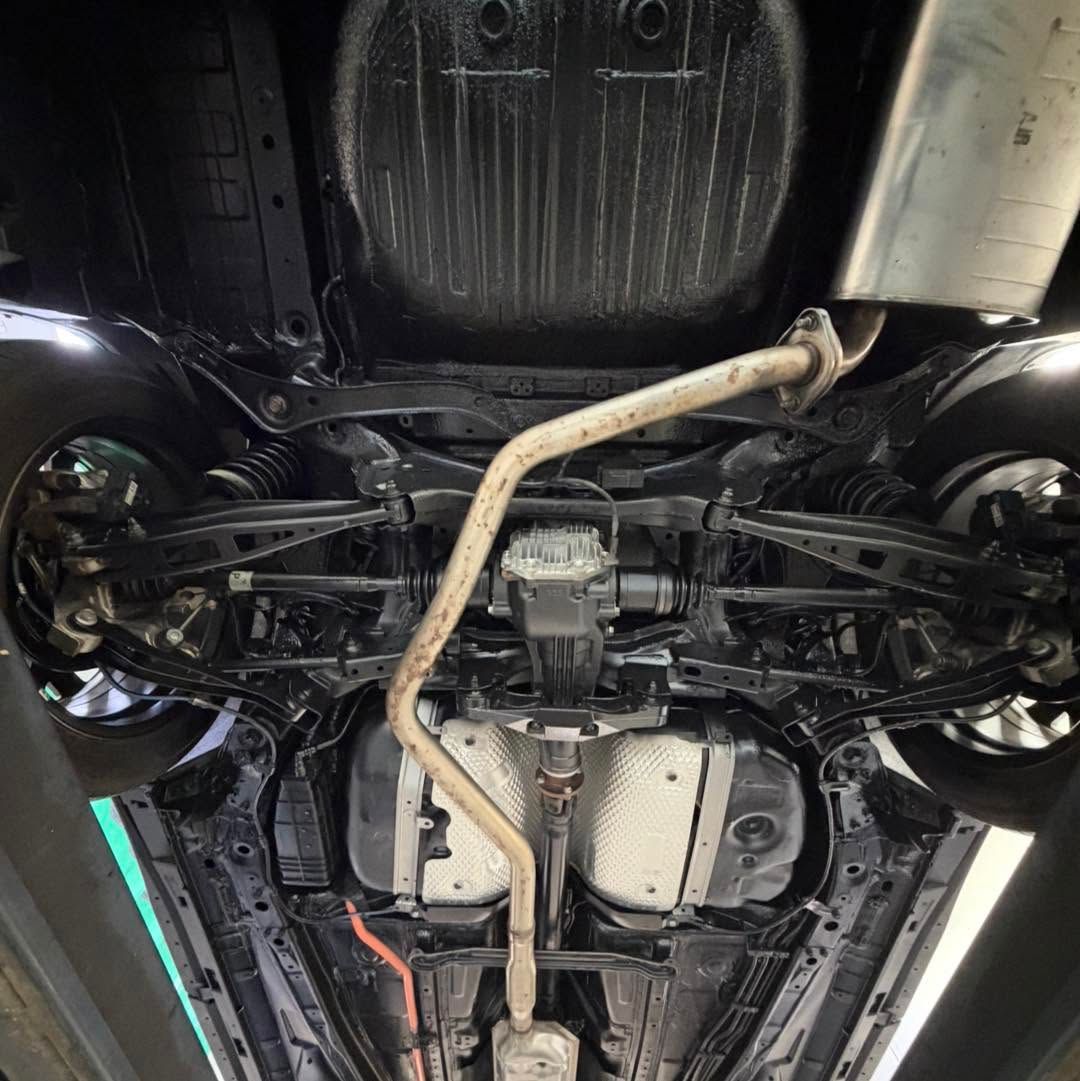
While you're thinking about what happens underneath, consider what's happening on top. Paint protection addresses the painted surfaces that face their own threats from road debris.
We help new truck owners think through complete vehicle care. The undercoating handles what you can't see. Surface protection handles what you look at every day.
Frequently Asked Question
Does a brand new truck really need undercoating if it has factory protection?
Factory protection provides baseline coverage designed for general conditions. Minnesota winters push well beyond what standard coatings handle. The combination of heavy salt use, brine treatments, and freeze-thaw cycles creates demands that factory applications cannot fully address. Additional protection fills gaps and reaches areas that factory processes may miss.
When is the best time to get undercoating on a new truck?
Fall offers the best timing. Your truck has not yet faced salt exposure, surfaces are clean, and temperatures allow for proper application. Getting protection in place before the first snowfall means your truck enters winter prepared. Waiting until mid-winter means months of salt exposure have already begun working on vulnerable areas.
How does undercoating affect my truck's resale value?
Protected underbodies help maintain higher resale values. Buyers and dealers look at the undercarriage during evaluations, and frame rust raises concerns that reduce offers. Spending on protection now typically saves more than it costs when trade-in time arrives.
Which parts of my truck are most vulnerable to salt damage?
Frame rails, crossmembers, suspension mounting points, and seams where panels meet face the most exposure. These areas catch road spray directly and hold moisture longer than surfaces that drain quickly. Protection focuses on these high-risk zones where corrosion typically begins.
Can I wait until next year to get undercoating?
You can, but waiting means your truck faces an entire winter of salt exposure first. Each season adds accumulated damage that becomes harder to address. Treating a new truck with clean surfaces costs less than treating one with existing salt buildup or early corrosion. Earlier protection provides better outcomes.