If you have been searching for Undercoating in Minnesota and wondering when to actually book the appointment, you are not alone. Timing matters more than most folks realize. Get it done too late, and salt has already started its damage. Wait until spring, and you have given corrosion a whole winter to work on your vehicle.
Minnesota winters are hard on everything underneath your car. The frame rails, suspension components, brake lines, and floor pans all take a beating from road salt, brine treatments, and moisture that freezes and thaws repeatedly. Undercoating in Minnesota searches spike every fall for good reason. People want protection before the first snowfall brings those orange trucks out.
The sweet spot sits between late summer heat and the first hard freeze. But life gets busy, and sometimes you miss that window. What happens if you need protection mid-winter? We will walk through both scenarios.
Why Fall Vehicle Prep Makes the Most Sense
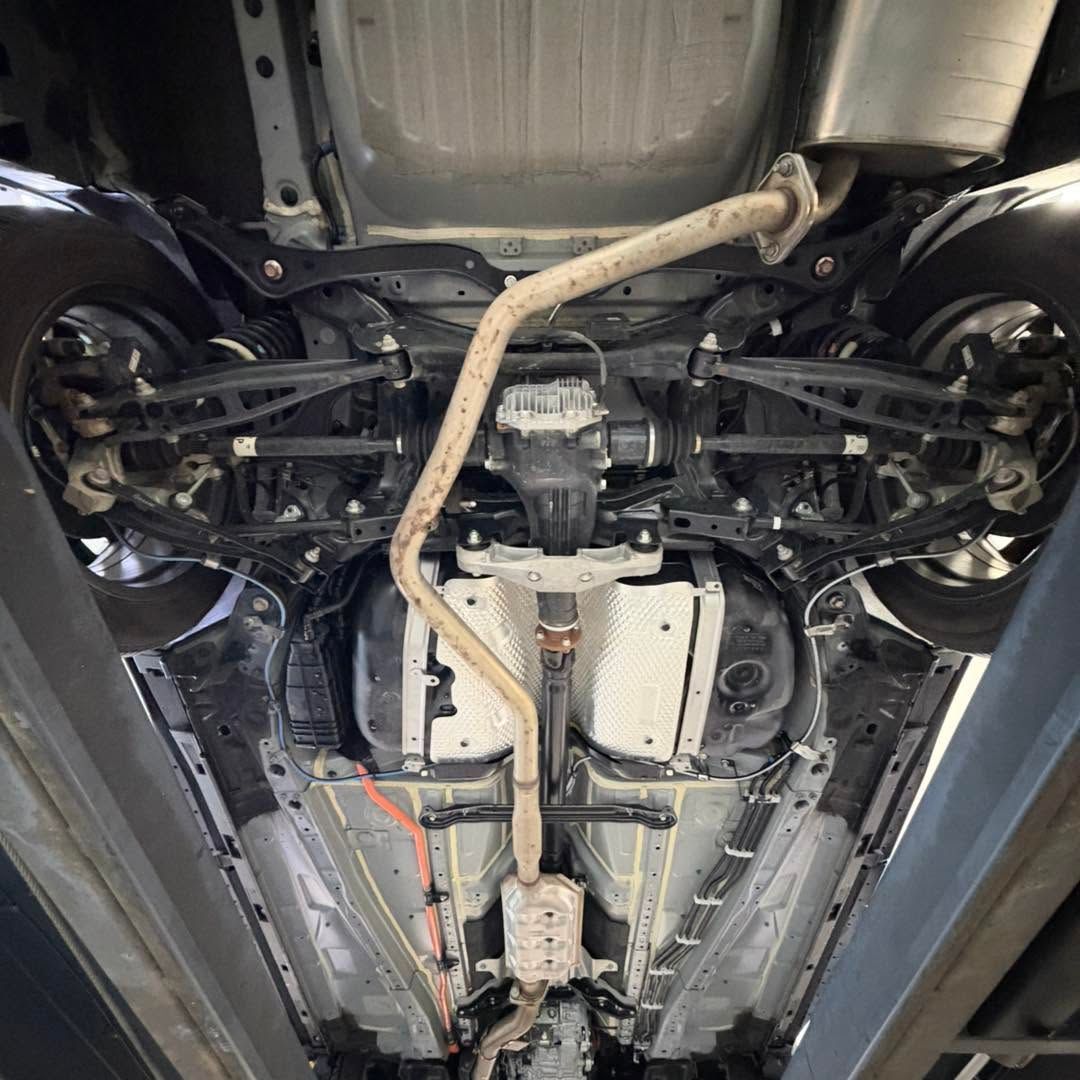
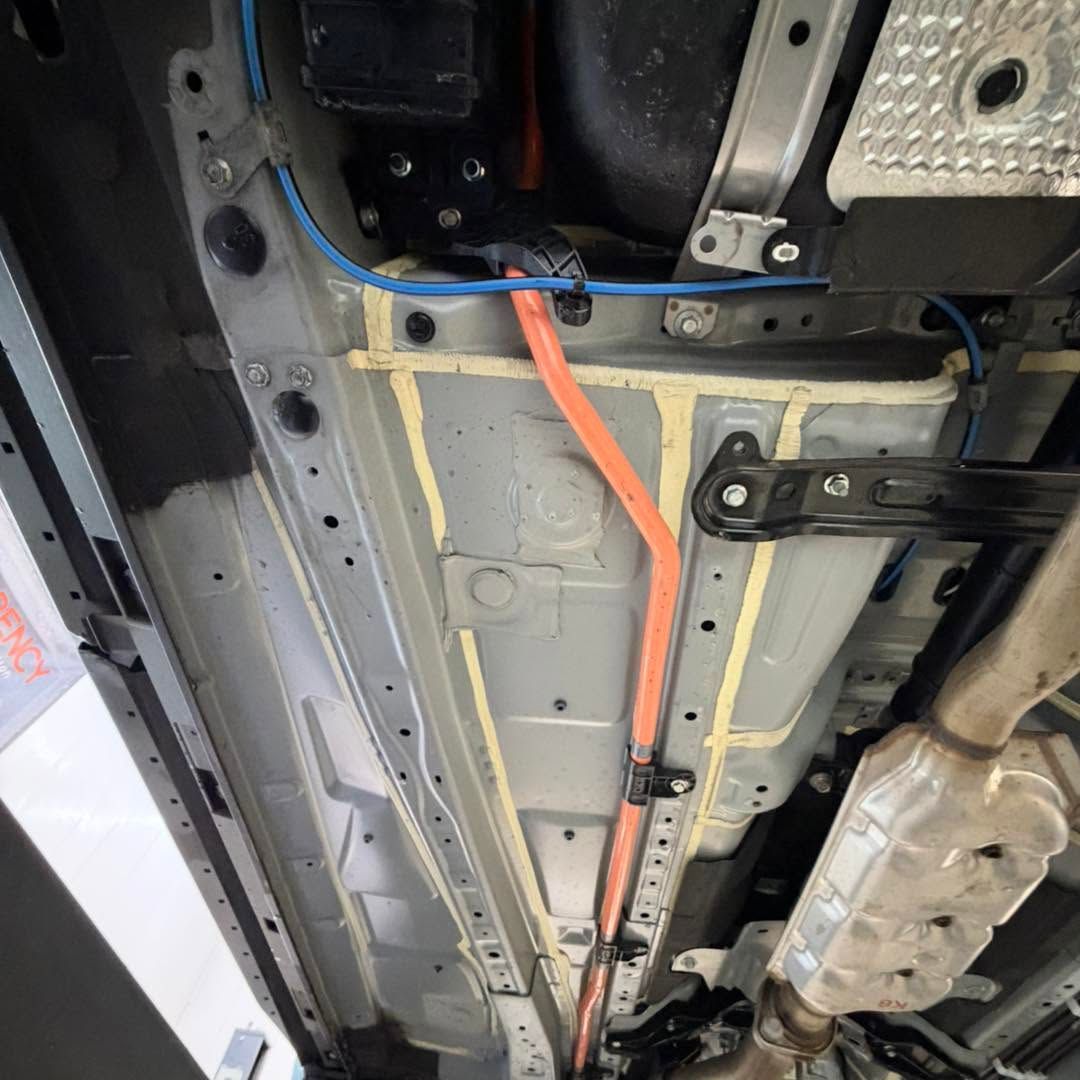
Getting undercoating applied in fall gives the coating ideal conditions to bond and cure properly.
Temperatures still sit in a comfortable range for application. The undercarriage has had all summer to dry out completely. And you beat the rush that happens once everyone suddenly remembers they meant to do this.
Fall vehicle prep puts you ahead of the problem instead of chasing it. Road salt has not touched your vehicle yet this season. The undercarriage is clean and dry.
Five Star Automotive Detailing sees the difference between vehicles treated in October versus those that come in January. The fall appointments allow for thorough prep work. The mid-winter ones require extra steps to remove salt buildup first.
The First Snowfall Rush and Booking Ahead
Here is what happens every year. The first significant snowfall hits, and suddenly everyone remembers they wanted undercoating. Phone lines get busy. The schedule fills up fast.
Booking ahead makes the whole process smoother. You pick a time that works for your schedule. And your vehicle gets protected before salt trucks make their first passes.
Those orange trucks roll out with the first snow or ice threat, sometimes before accumulation happens. Road departments use brine treatments that go down on dry pavement ahead of storms.
If you wait until snow falls to call about undercoating, you are already behind.
What Seasonal Protection Actually Does
The whole point of undercoating is creating a barrier between your vehicle's metal components and the stuff trying to corrode them.
Road salt is the obvious threat. But Minnesota uses various de-icing mixtures including liquid brines that splash up and coat everything underneath. These solutions work their way into spots you cannot reach with a pressure washer.
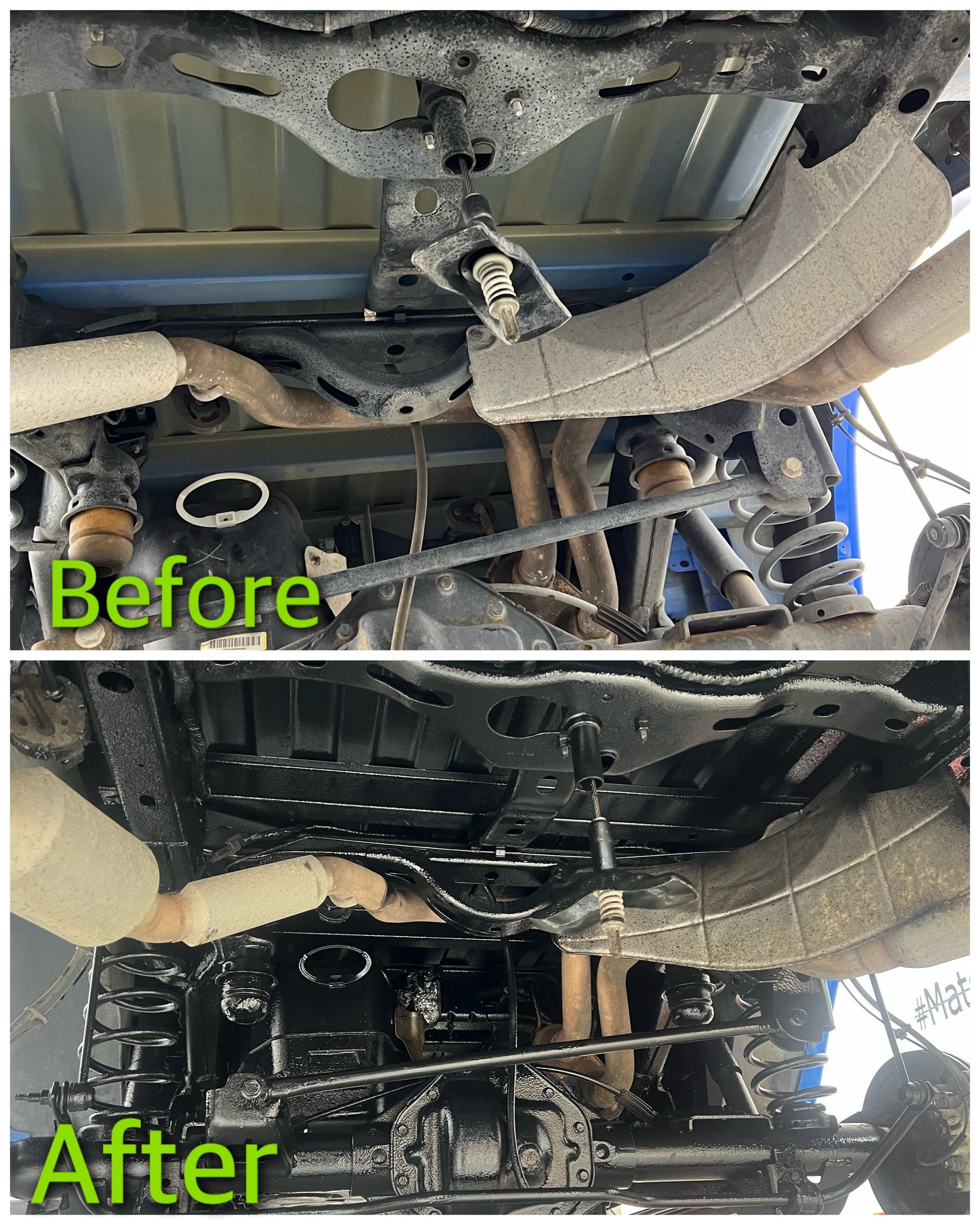
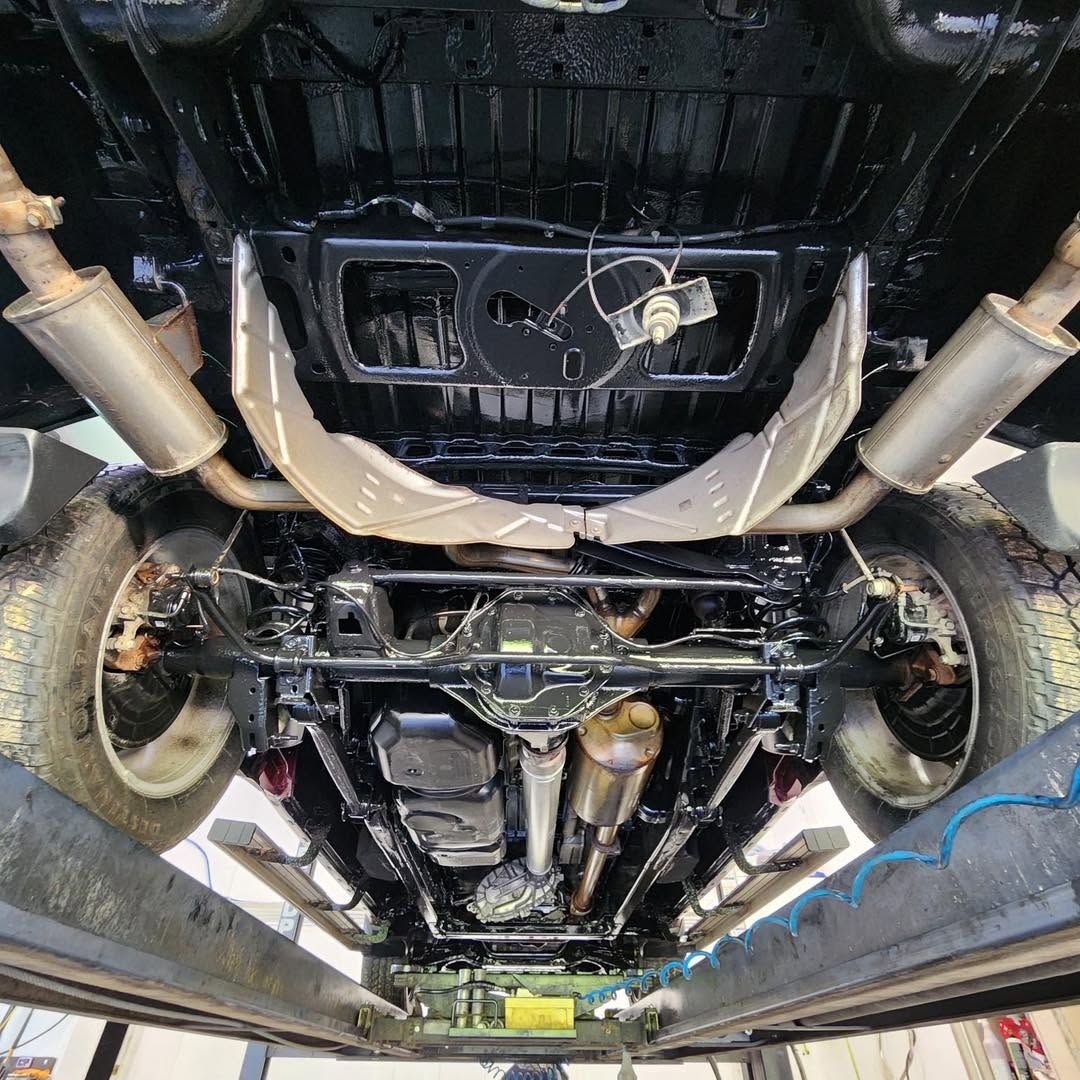
Seasonal protection addresses those hard-to-access areas. A thorough application covers the frame rails, floor pans, rocker panels, and wheel wells where corrosive chemicals collect and sit.
The undercarriage stays protected through freeze-thaw cycles. Water cannot get trapped against bare metal. Salt cannot start the oxidation that leads to structural rust.
Mid-Winter Applications Are Still Worth It
Maybe you missed the fall window. Life happens. Does that mean you should skip undercoating until next year?
Not necessarily. Mid-winter applications still provide value, though the process looks different.
The vehicle needs thorough cleaning first. Salt and road grime have to come off before any coating goes on. Some shops use salt-neutralizing washes to ensure the surface is ready.
Application in cold weather requires attention to temperature. Most coatings have minimum temperature requirements for proper adhesion. A heated shop solves this. Contact us to discuss whether conditions allow for winter application.
The protection still works. You are just playing catch-up instead of staying ahead.
Signs Your Vehicle Needs Attention Now
Some situations call for immediate action regardless of timing.
If you recently purchased a used vehicle, checking the undercarriage condition makes sense. Searching undercoating near me after buying a used car is a smart move.
Vehicles driven on gravel roads pick up more debris impact. Stone chips can break through existing protection and create entry points for corrosion.
Older vehicles with surface rust need attention sooner rather than later.
Planning Your Winter Readiness Schedule
The best approach treats undercoating as part of fall vehicle prep rather than a crisis response to the first snow.
Mark your calendar for late September or October. That timing gives you buffer room. If the schedule fills up, you have weeks before salt season really gets going.
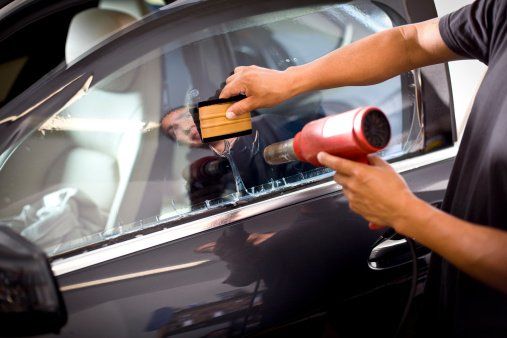
Think about what else your vehicle might need heading into winter. Paint protection addresses the surfaces you see every day. Undercoating handles what you cannot see but definitely matters.
Some owners combine services in a single appointment. Others spread things out based on budget and schedule. The key is getting it done before you need it.
Booking Ahead Beats Waiting Every Time
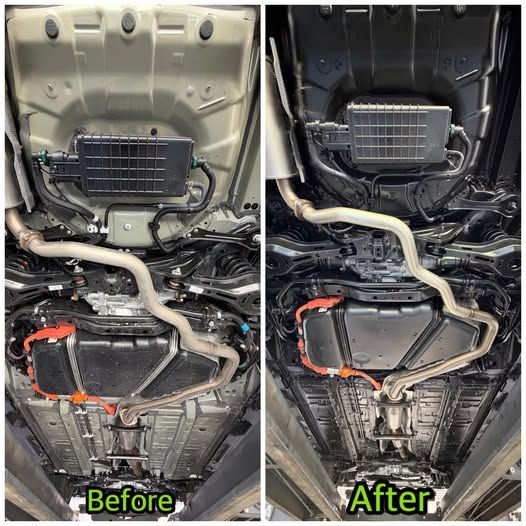
Winter readiness is about preparation over reaction. The folks who book undercoating near me appointments in September spend less time worrying about their vehicles all winter. They know the undercarriage is protected while everyone else is calling shops in December hoping for an opening.
Five Star Automotive Detailing books undercoating appointments throughout the year. Fall remains the busiest season. But we handle mid-winter applications when customers need them.
The earlier you book, the more flexibility you have.
Frequently Asked Question
When is the best month to get undercoating in Minnesota?
October typically offers the best balance of conditions. Temperatures still allow for proper coating application and curing. Road salt has not started yet. September works well too. The goal is getting protection in place before salt trucks make their first runs.
Can I get undercoating applied in the middle of winter?
Yes, mid-winter applications are possible though they require additional prep work. The undercarriage needs thorough cleaning to remove salt and road grime before coating can adhere properly. Temperature conditions matter too. A heated shop allows for quality application even in cold weather. Contact the shop to confirm they can accommodate winter appointments.
How far ahead should I book my undercoating appointment?
Booking three to four weeks ahead during fall gives you the best selection of appointment times. Once the first snow hits, schedules fill quickly. Putting it on the calendar in late summer avoids the seasonal crunch.
Does undercoating still help if salt has already been on the roads?
Protection still provides value even after salt exposure begins. The coating prevents further accumulation and creates a barrier against continued damage. Any existing salt must be removed before application. Starting fresh in fall remains the preferred approach.
How often does undercoating need to be reapplied?
Most quality undercoating applications last several years with touch-ups recommended every one to three years depending on conditions. Vehicles driven frequently on salted roads or gravel may need attention sooner. Annual inspections help identify areas needing touch-up before problems develop.