Choosing the wrong window tinting service or making poor decisions during the process leads to expenses far exceeding the original investment. Understanding window tint mistakes before they happen saves money, time, and frustration.
Many vehicle owners learn these lessons the hard way. They select the cheapest option, ignore legal requirements, or make rushed decisions without proper research. The result? Tickets, bubbling film, electronic interference, and complete reinstallation costs.
This guide identifies the most expensive mistakes professionals make when selecting window tinting services.
Cheap Installer Selection Consequences
Price shopping without considering quality creates the most expensive long-term outcomes. The lowest bid often becomes the highest total cost when problems develop.
Budget installers cut corners in ways that aren't immediately visible:
- Using inferior film that degrades within months
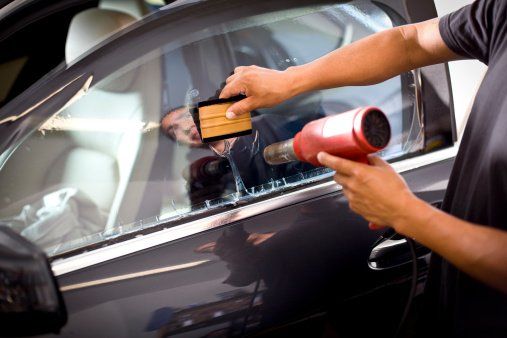
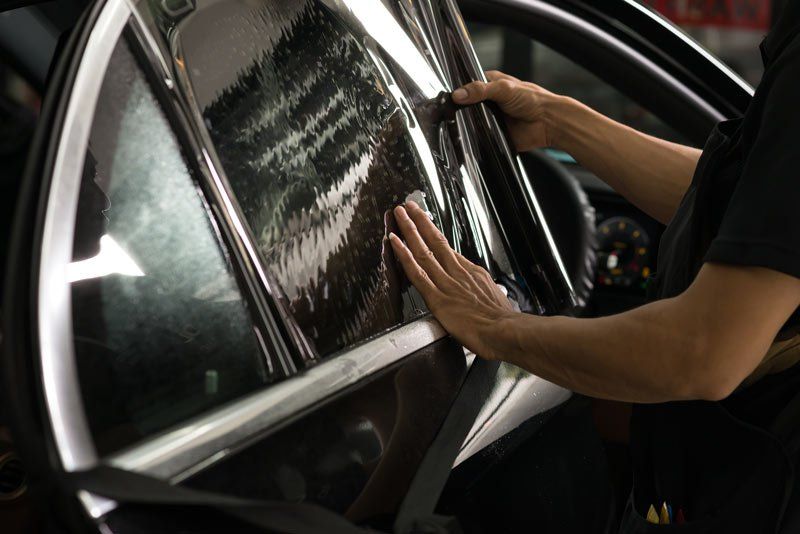
- Rushing installation without proper surface preparation
- Skipping contamination removal that causes bubbles later
- Ignoring edge sealing that leads to peeling
The initial savings disappear when you need complete removal and reinstallation within a year or two. Many vehicle owners end up paying more than they would have spent on quality installation from the start.
Warning signs of problematic installers include unusually low quotes, unwillingness to discuss film brands, vague warranty terms, and pressure to decide immediately.
Legal Compliance Failures and Ticket Costs
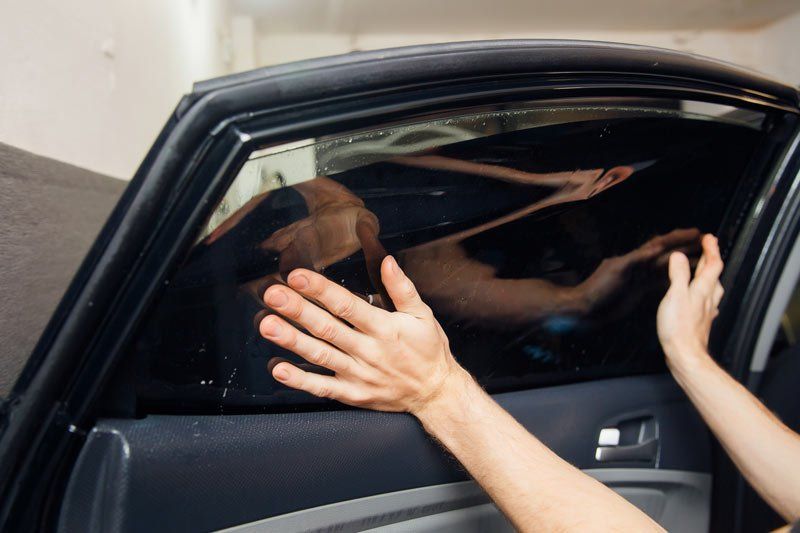
Installing tint that violates state laws creates ongoing expenses that accumulate over time. Each ticket costs money, and repeated violations lead to more serious consequences.
Every state sets specific limits on how dark a window tint can be. These limits vary by window position, with windshields and front side windows having stricter requirements than rear windows.
The costs of illegal tint extend beyond tickets:
- Fines vary by location
- Required removal and inspection fees to clear violations
- Potential issues with vehicle inspections
- Increased attention from law enforcement
Professional installers should know your state's regulations and refuse to install non-compliant tint. If an installer doesn't mention legal limits or offers to "go as dark as you want," consider this a red flag.
Film Quality Compromises and Replacement Needs
All window films are not created equal. Inferior films fail in ways that require complete replacement, turning a one-time expense into a recurring problem.
Low-quality films exhibit several failure patterns, such as:
- Bubbling that develops months after installation
- Purple or brown discoloration from UV breakdown
- Fading that creates an uneven appearance across windows
- Delamination, where film layers separate
These failures aren't just cosmetic. Degraded film loses its heat rejection and UV blocking properties, eliminating the functional benefits you paid for.
Quality differences aren't always visible at installation. Two films might look identical on day one, but their performance diverges dramatically over time. Ask installers about film brands and request manufacturer information.
Warranty Void Situations
Poor installation practices or aftermarket modifications can void warranties on both the tint and vehicle components.
Common situations that void tint warranties include:
- Cleaning with ammonia-based products that degrade film
- Using abrasive materials on tinted surfaces
- Applying aftermarket products like stickers or suction cups
- Failing to follow the specified cure time before rolling windows
Quality installers discuss warranty terms clearly before installation. They explain maintenance requirements and provide written documentation. Vague or verbal-only warranty promises provide little protection when problems develop.
Keep all documentation from your installation. Warranty claims require proof of professional installation and proper maintenance.
Improper Installation Damage to Windows and Electronics
Installation mistakes can damage vehicle components beyond the film itself. These damages create expenses far exceeding the tinting cost.
Window-related damage includes:
- Surface marring from improper preparation techniques
- Seal damage from aggressive trimming methods
- Defroster line damage on the rear windows during application
- Antenna or sensor disruption from metallic film interference
Rear window defrosters are particularly vulnerable. The thin heating elements embedded in glass can be damaged by careless techniques. Once damaged, defroster repair or glass replacement costs far more than the entire tinting job.
Modern vehicles with embedded electronics require installers who understand these systems. Non-metallic film options like ceramic provide heat rejection without interfering with signals.
Timing and Seasonal Mistake Costs
The timing of your window tint installation affects both the process and results. Poor timing creates complications that cost money to resolve.
Seasonal considerations include:
- Cold weather extends the curing time significantly
- Extreme heat can cause application issues
- Humidity affects adhesion and bubble formation
- Weather conditions during the cure period matter
Rushing installation before a trip often leads to problems. New tint requires a cure time before windows should be rolled down. Ignoring this requirement causes edge peeling that requires repair or reinstallation.
Planning installations during moderate weather with several days of flexibility produces the best results. Last-minute decisions limit your options to whoever has immediate availability rather than whoever offers the best quality.
Protecting Your Investment
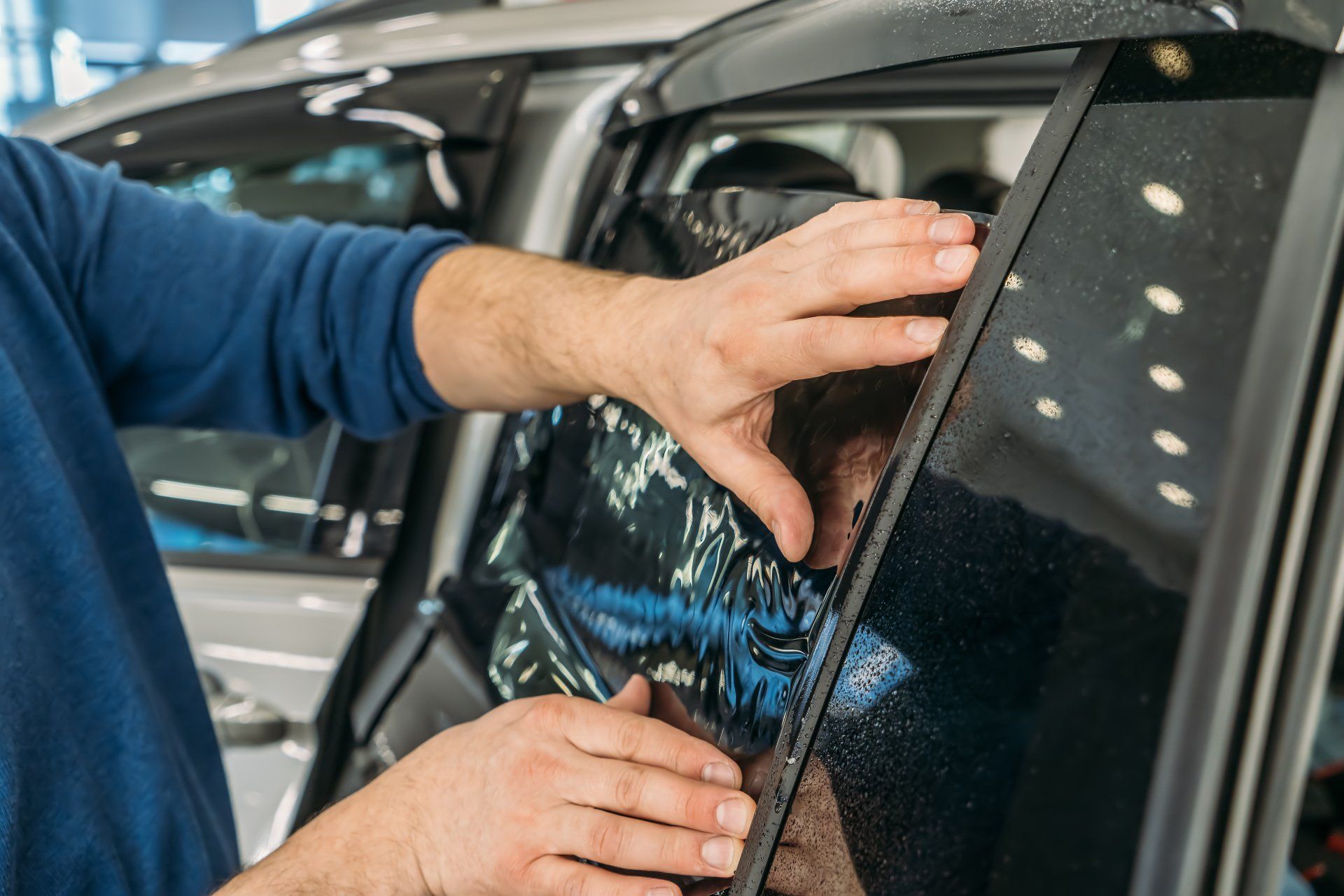
Avoiding these common mistakes requires patience, research, and a willingness to ask questions. Professionals who take time to understand their options rarely end up with expensive regrets.
The pattern across all these window tint mistakes is clear. Rushing decisions, prioritizing the lowest price, and skipping research create problems that cost more than doing things right initially.
Five Star Automotive Detailing helps vehicle owners understand their tinting options and avoid costly errors.
Contact us to get a consultation with questions prepared. We provide guidance on evaluating tinting services and preventing expensive mistakes.
Frequently Asked Questions
How can I tell if a window tint installer is reputable?
Reputable installers willingly discuss film brands, provide manufacturer documentation, offer written warranties, and know your state's legal requirements. They welcome questions rather than pressuring quick decisions. Ask about their experience with your vehicle type. Unusually low quotes often indicate corners being cut on materials or processes.
What happens if my window tint is too dark for state laws?
Illegal tint results in traffic citations with fines varying by location. You'll need to remove the non-compliant film and have your vehicle inspected to clear the violation. This means paying for removal, new compliant film, and reinstallation. The total cost of correcting illegal tint typically exceeds what a proper compliant installation would have cost.
How long should quality window tint last before replacement?
Quality window film from reputable manufacturers should last many years without significant degradation. Budget films may show problems within months, including bubbling, discoloration, or peeling. Lifespan depends on film quality, installation expertise, and maintenance. Avoiding ammonia cleaners and following cure time requirements helps maximize longevity.
Can window tint damage my car's electronics or defrosters?
Poor installation techniques can damage rear window defrosters by cutting or scraping heating elements. Metallic films may interfere with GPS, cellular, or radio signals in vehicles with embedded antennas. Quality installers assess your vehicle's systems and recommend appropriate film types. Non-metallic options provide heat rejection without signal interference.
When is the best time of year for window tint installation?
Moderate temperatures with low humidity provide ideal conditions. Extreme cold extends cure times, while high heat can cause application issues. More important than season is allowing adequate cure time after installation. Avoid scheduling installations right before trips requiring immediate vehicle use.