
Not all vehicle colors respond to protection the same way. Understanding ceramic coating by car color helps you make informed decisions about protecting your specific vehicle. Different pigments, finishes, and color properties create unique protection needs.
Dark colors face different challenges than light colors. Metallic and pearl finishes have considerations that solid colors don't share. Red pigments behave differently from black or white paints under UV exposure.
This guide breaks down how ceramic coating benefits apply to your specific paint color and finish type.
Dark Color Protection: Black, Navy, and Deep Greens
Dark-colored vehicles show every imperfection more visibly than lighter colors. This makes ceramic coating particularly valuable for dark paint owners.
The benefits dark colors receive include:
- Enhanced gloss and depth that make dark paint look wet and rich
- Reduced visibility of light surface marring through improved clarity
- Easier washing that minimizes contact-induced swirl marks
- Hydrophobic properties that sheet water away quickly
Black vehicles specifically benefit from the ceramic coating's extremely smooth surface. This smoothness reduces friction during washing, which is critical for colors showing every minor imperfection.
Dark navy, forest green, and deep burgundy share similar characteristics with black. Ceramic coating helps these colors by creating a surface that resists contamination, bonding, and sheds water effectively.
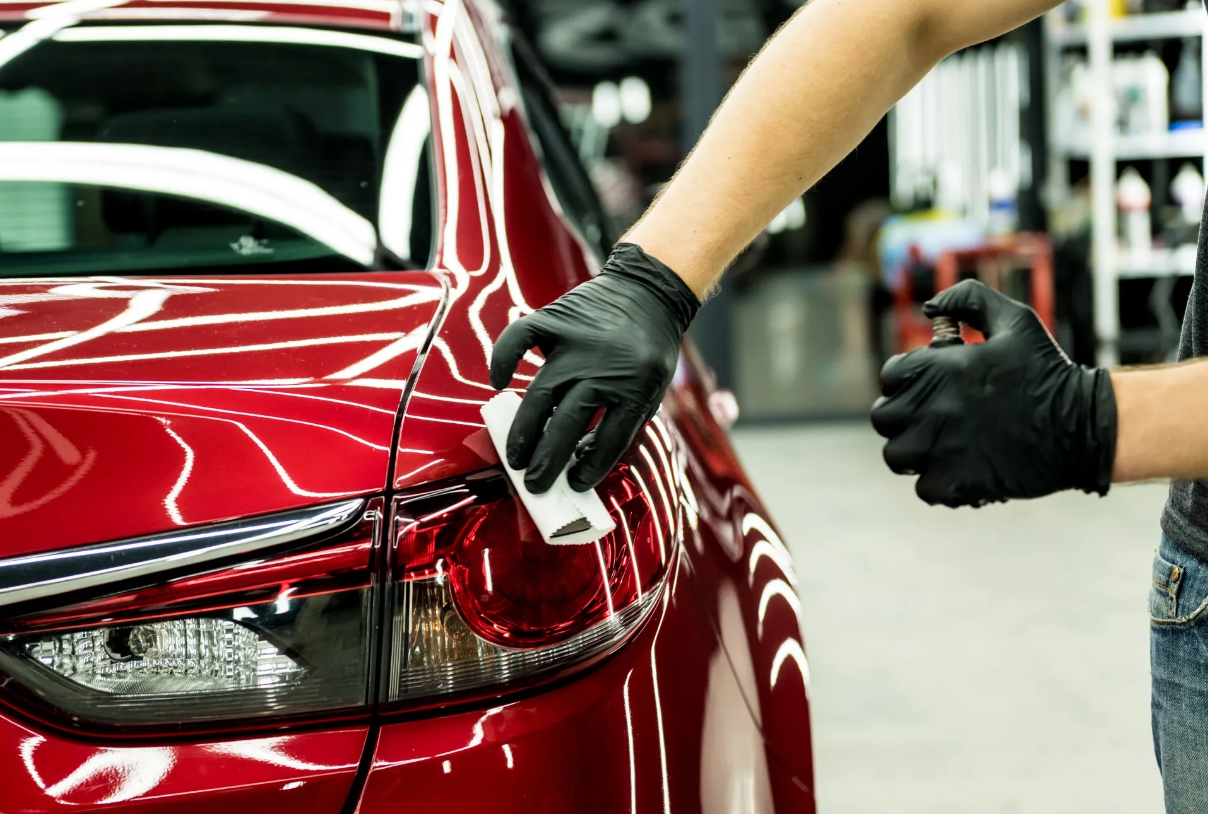
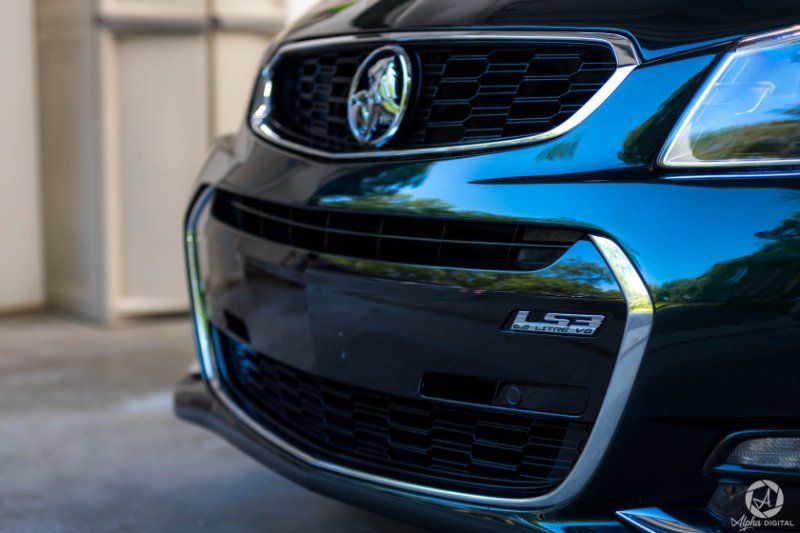
Light Color UV and Oxidation Protection
White, silver, beige, and light gray vehicles face different challenges. While they hide minor surface imperfections better, they're more susceptible to visible contamination and yellowing from UV exposure.
Light colors benefit from ceramic coating through:
- UV protection, preventing yellowing and oxidation
- Contamination resistance, keeping white paint looking clean longer
- Reduced water spotting through improved sheeting
- Protection against environmental staining
White vehicles particularly benefit from the ceramic coating's chemical resistance. Environmental contaminants that would stain white paint sit on top of the coating instead, allowing easier removal before permanent damage occurs.
The UV protection helps light colors maintain brightness over time. Without protection, white and light gray paints gradually yellow as UV radiation breaks down the clear coat chemistry.
Metallic and Pearl Finish Enhancement
Metallic and pearl finishes contain reflective particles that create depth and visual interest. These finishes benefit from ceramic coating in ways that solid colors don't experience.
The coating enhances metallic and pearl finishes by:
- Increasing clarity that allows metallic flakes to sparkle more visibly
- Creating depth that makes pearl effects more pronounced
- Protecting the clear coat to reveal the finish's complexity
Pearl finishes shift in color, depending on the viewing angle and lighting. Ceramic coating preserves clear coat clarity, making these color shifts visible. Any hazing or oxidation diminishes pearl effects, so protection that maintains clarity directly enhances appearance.
Tri-coat finishes found on luxury vehicles benefit significantly from coating protection. These complex finishes require pristine, clear coat condition to display their full visual potential.
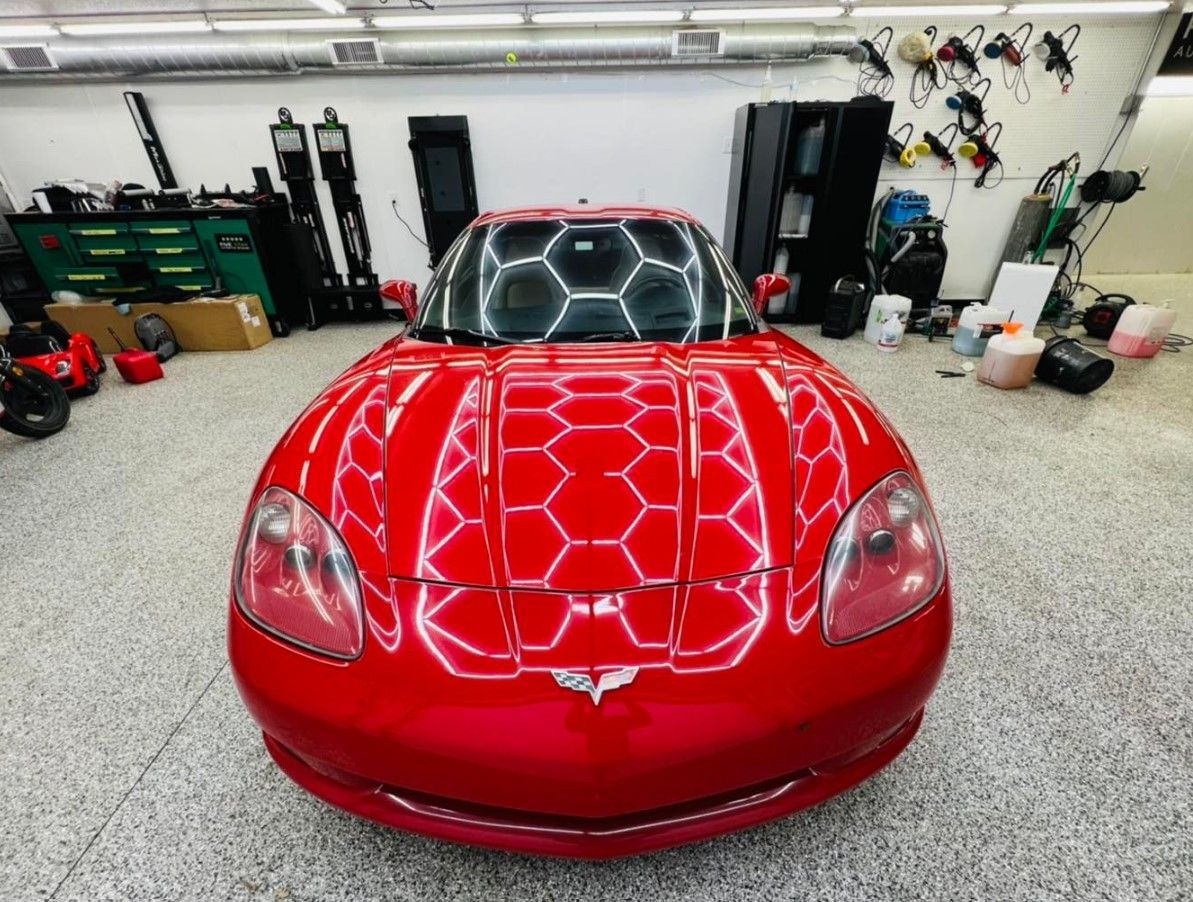
Red Color Fade Prevention
Red pigments present unique challenges because they're among the most UV-sensitive automotive colors. Red vehicles benefit from ceramic coating's UV protection more than most other colors.
Red paint fades because organic red pigments break down under ultraviolet radiation faster than other color pigments. Ceramic coating interrupts this process by blocking UV radiation before it reaches the pigments.
The protection red vehicles receive includes:
- UV absorption, preventing pigment degradation
- Maintained color vibrancy throughout ownership
- Preserved resale value through color consistency
Owners of red vehicles often notice fading before owners of other colors. The driver's side and roof typically fade first. Ceramic coating provides consistent protection across all surfaces, preventing uneven fading patterns.
Orange and yellow vehicles share similar UV sensitivity. The same UV protection benefiting red paint helps preserve orange and yellow vibrancy.
Black Color Heat Considerations
Black vehicles absorb more heat than lighter colors, creating specific considerations for ceramic coating performance.
Black paint reaches higher surface temperatures in direct sunlight than any other color. Quality ceramic coating maintains protective properties despite temperature cycling between extreme heat and cooler conditions.
The thermal characteristics of black vehicles mean:
- The coating must withstand higher temperature extremes
- Proper curing conditions matter more during application
- Heat reflection properties provide modest cooling benefits
While ceramic coating won't dramatically reduce how hot black vehicles become, quality coatings do reflect some heat away from the surface.
White Color Contamination Resistance
White vehicles show contamination more visibly than any other color. Every water spot, bug splatter, and tar mark stands out. This visibility makes the ceramic coating's contamination resistance particularly valuable.
The hydrophobic surface helps white vehicles stay cleaner longer between washes. Water beads and sheets off rather than sitting and leaving mineral deposits.
White vehicle owners benefit from:
- Extended cleanliness between wash sessions
- Easier removal of stuck-on contamination
- Reduced water spot formation
- Chemical resistance against staining agents
The easy-clean properties mean white vehicle owners spend less effort maintaining that pristine appearance.
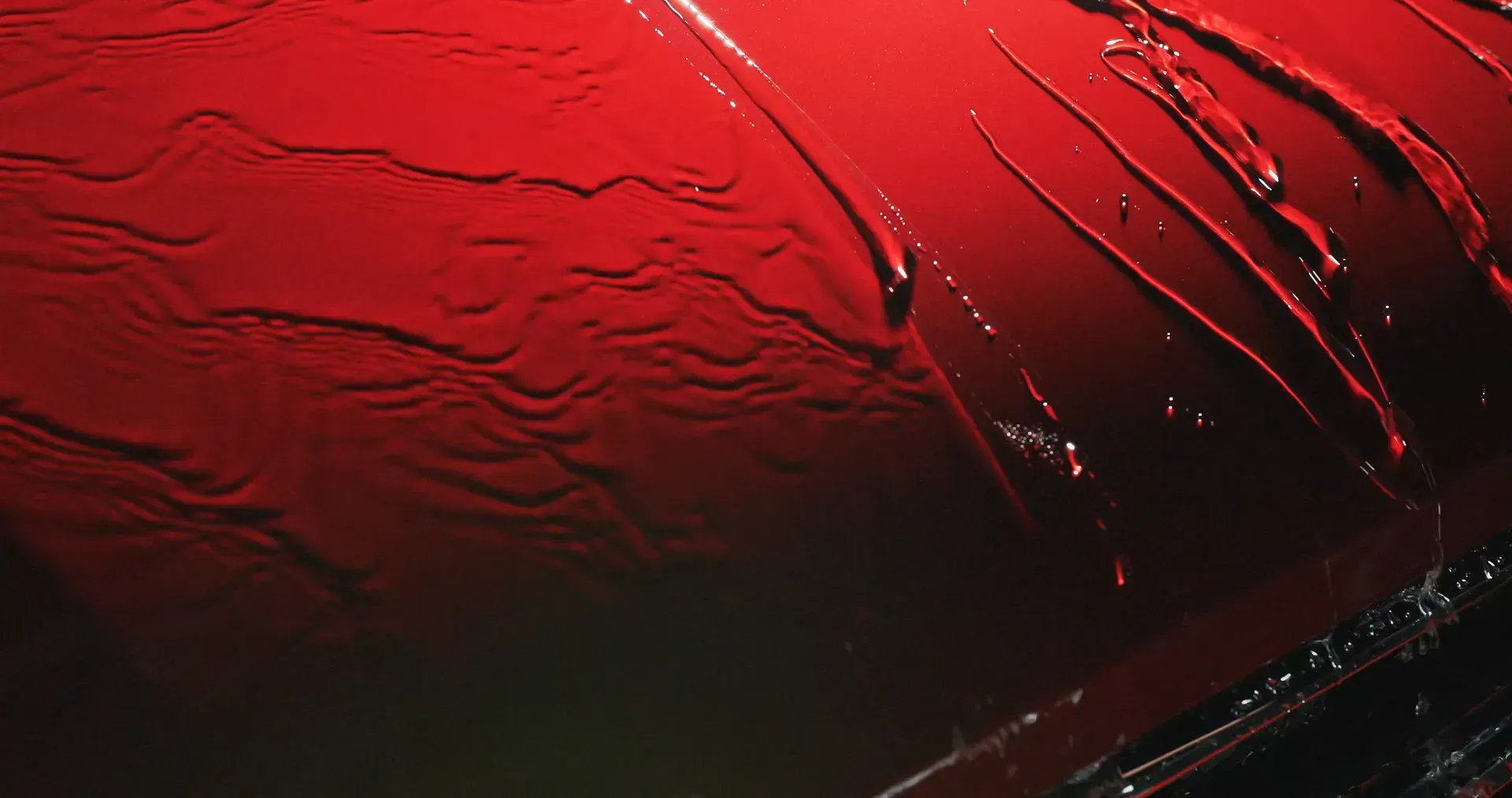
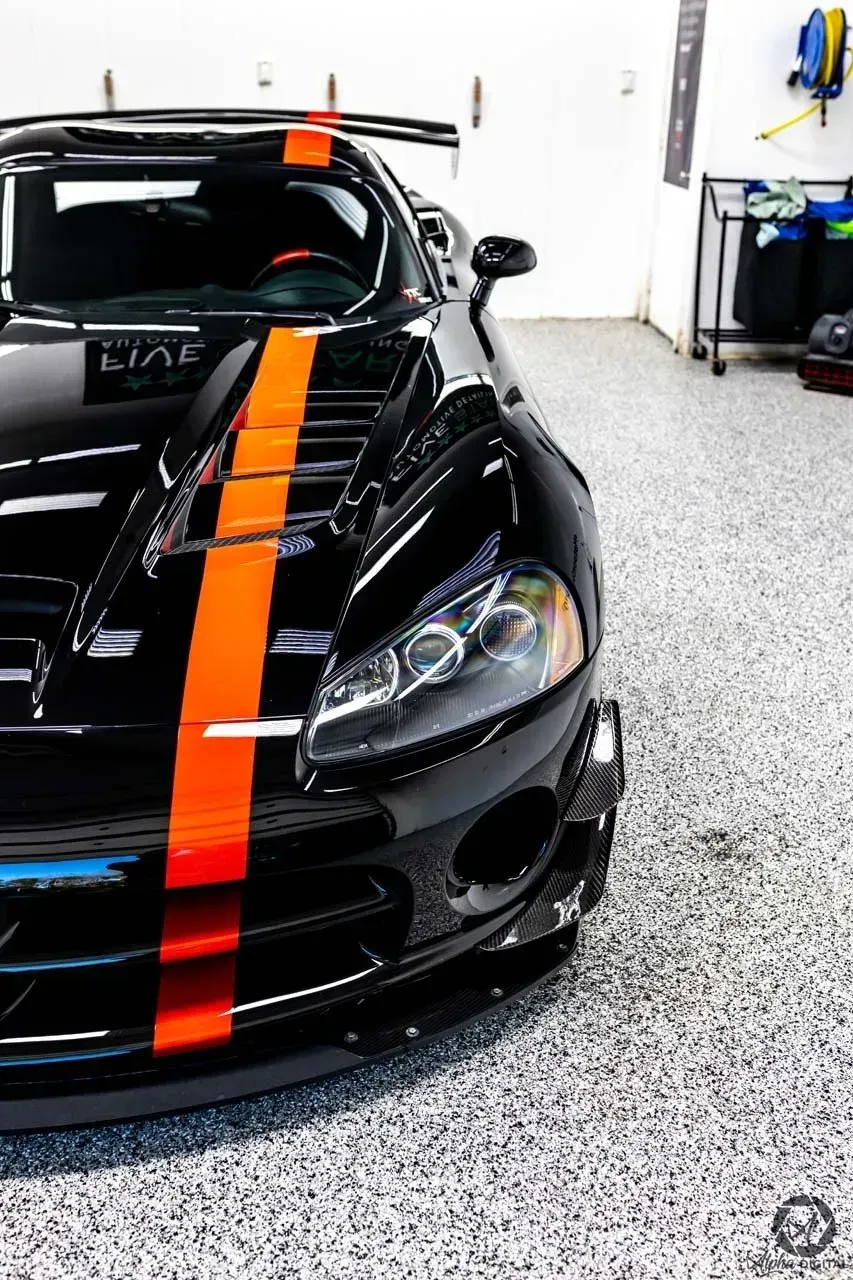
Protecting Your Specific Color
Every vehicle color brings unique characteristics that ceramic coating addresses differently. Understanding how your specific color benefits helps you appreciate the value coating provides.
Five Star Automotive Detailing works with vehicle owners across all colors and finishes. We understand how different paints respond to protection based on ceramic coating by car color considerations.
Contact us to discuss your specific vehicle color's protection needs and learn about coating benefits tailored to your particular paint and finish type.
Frequently Asked Questions
Do dark colors benefit more from ceramic coating than light colors?
Dark and light colors benefit equally, just in different ways. Dark colors gain from improved surface smoothness that reduces visible swirl marks, plus enhanced gloss that creates depth. Light colors benefit more from UV protection that prevents yellowing, along with contamination resistance that keeps them clean longer. Neither color category is more important. They simply have different characteristics that the coating addresses.
Will ceramic coating prevent my red car from fading?
Ceramic coating significantly reduces red paint fading by blocking UV radiation before it reaches pigments. Red pigments are particularly UV-sensitive and fade faster than other colors without protection. The coating creates a barrier absorbing and reflecting ultraviolet wavelengths, preserving color vibrancy. While no protection eliminates UV exposure entirely, ceramic coating dramatically slows fading.
Does ceramic coating make metallic paint look better?
Yes, ceramic coating enhances metallic finishes by increasing surface clarity above the metallic flakes. This improved clarity allows more light to reflect off aluminum or mica particles, creating more visible sparkle and depth. Pearl finishes also benefit because the coating preserves clear coat condition, revealing color-shifting effects.
Why does my white car show dirt faster than darker vehicles?
White vehicles show contamination more visibly because the contrast between light paint and dark contaminants is obvious. Contamination accumulates at similar rates on all colors, but white makes it apparent. Ceramic coating helps by creating hydrophobic properties, shedding water and contamination effectively, keeping white vehicles cleaner longer.
Does vehicle color affect ceramic coating application?
Color doesn't change application methods, but it affects curing considerations. Black vehicles reach higher surface temperatures, requiring attention to application timing. All colors require proper surface preparation before coating. The coating chemistry works the same regardless of color, but professionals adjust their approach based on environmental factors.