Congratulations on your new vehicle purchase. That factory paint currently sits in perfect condition - a state it will never be in again. Understanding new car paint protection timing helps you preserve that pristine finish while the opportunity for optimal results still exists.
Many new car owners plan to protect their paint "eventually" without realizing that early protection delivers advantages impossible to achieve later. The first month represents a unique window where your paint is completely unmarred and ready for protection.
This isn't about high-pressure sales tactics or suggesting your factory paint is defective. It's about recognizing that environmental exposure begins immediately, and early protection preserves your vehicle's condition more effectively than waiting until damage requires correction.
Factory Paint Condition: A Temporary Advantage
Your new vehicle left the factory with paint in optimal condition. This pristine state won't last long once the vehicle faces real-world environmental exposure.
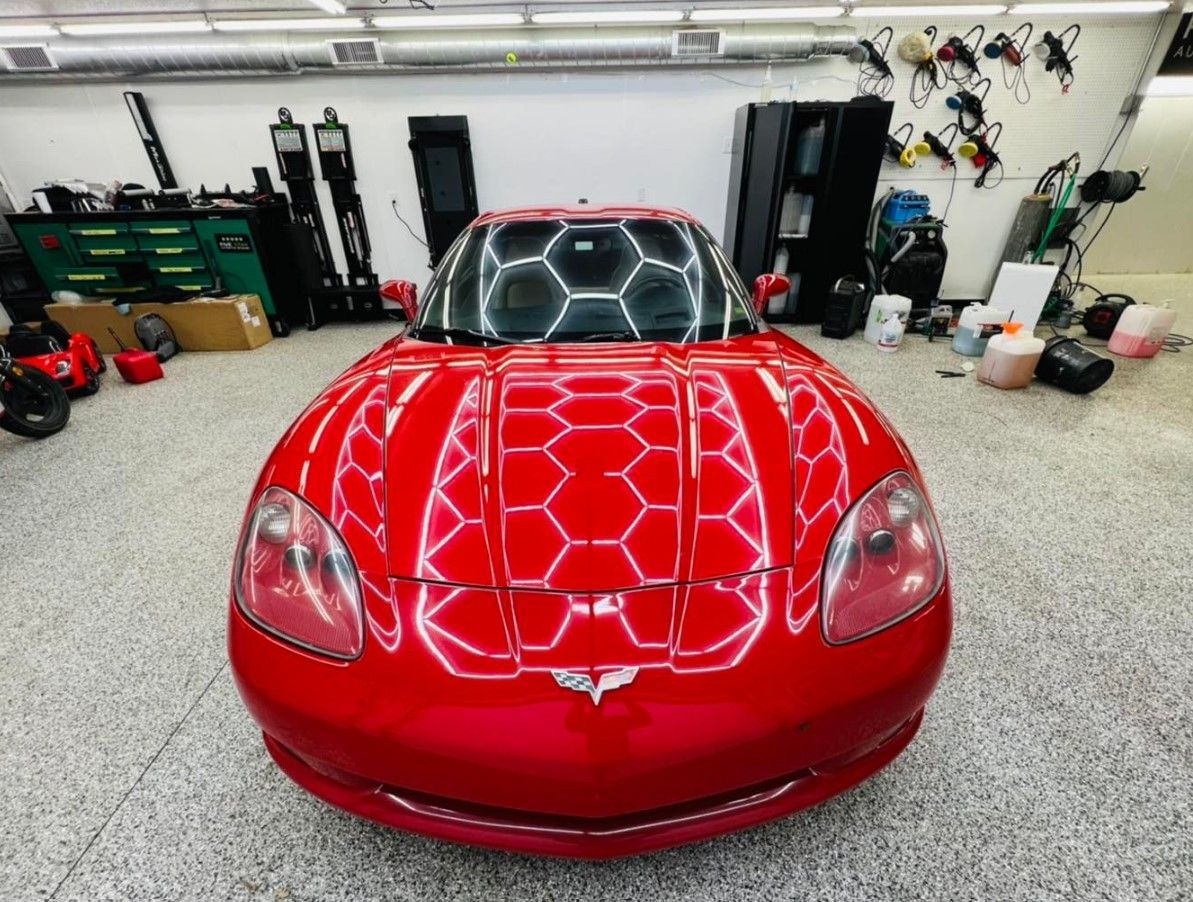
Modern automotive paint systems are sophisticated structures providing color, gloss, and protection. The factory clear coat is in perfect condition when your vehicle is new - no swirl marks, no contamination, and no environmental etching.
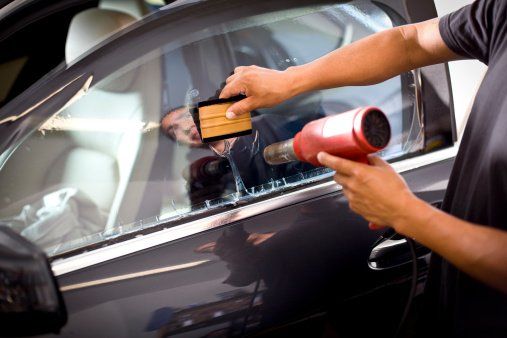
Ceramic coating or paint protection film applied to perfect paint delivers optimal bonding and appearance. Any damage occurring before protection requires correction, which adds cost and removes clear coat material.
Environmental exposure begins the moment your vehicle leaves the dealership. UV radiation starts breaking down the clear coat chemistry. Airborne contaminants land on paint surfaces. Road debris impacts the finish. Bug splatter, bird droppings, and tree sap begin their damaging work.
Within weeks, your paint has sustained minor damage - microscopic surface marring from washing, contamination bonding with the surface, and UV-induced oxidation beginning at the molecular level. The first month presents particular vulnerability because owners are adjusting to maintenance routines while the paint takes damage that protection would prevent.
Environmental Threats That Start Immediately
New car owners sometimes assume their vehicle is safe from environmental damage initially. The reality is that threats begin working against your paint the first day you drive it.
Ultraviolet radiation from sunlight attacks automotive paint relentlessly. The sun begins breaking down clear coat chemistry immediately through photochemical reactions, causing oxidation. Early protection with UV-resistant ceramic coating prevents this damage from beginning.
Airborne contaminants land on your vehicle constantly. Industrial fallout, brake dust, rail dust, and other particles embed in paint surfaces. Early protection creates a barrier preventing contamination from bonding directly with paint.
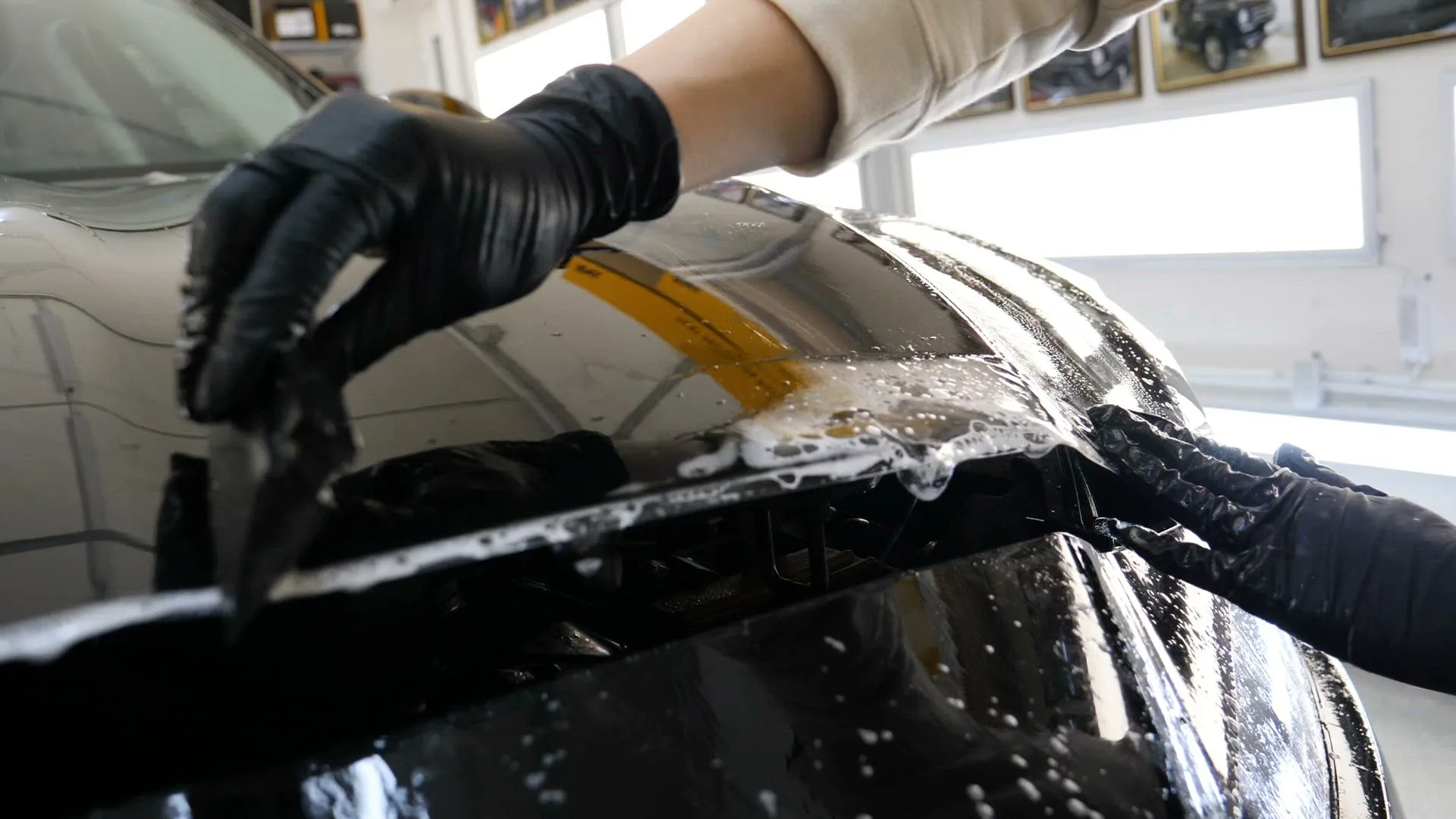
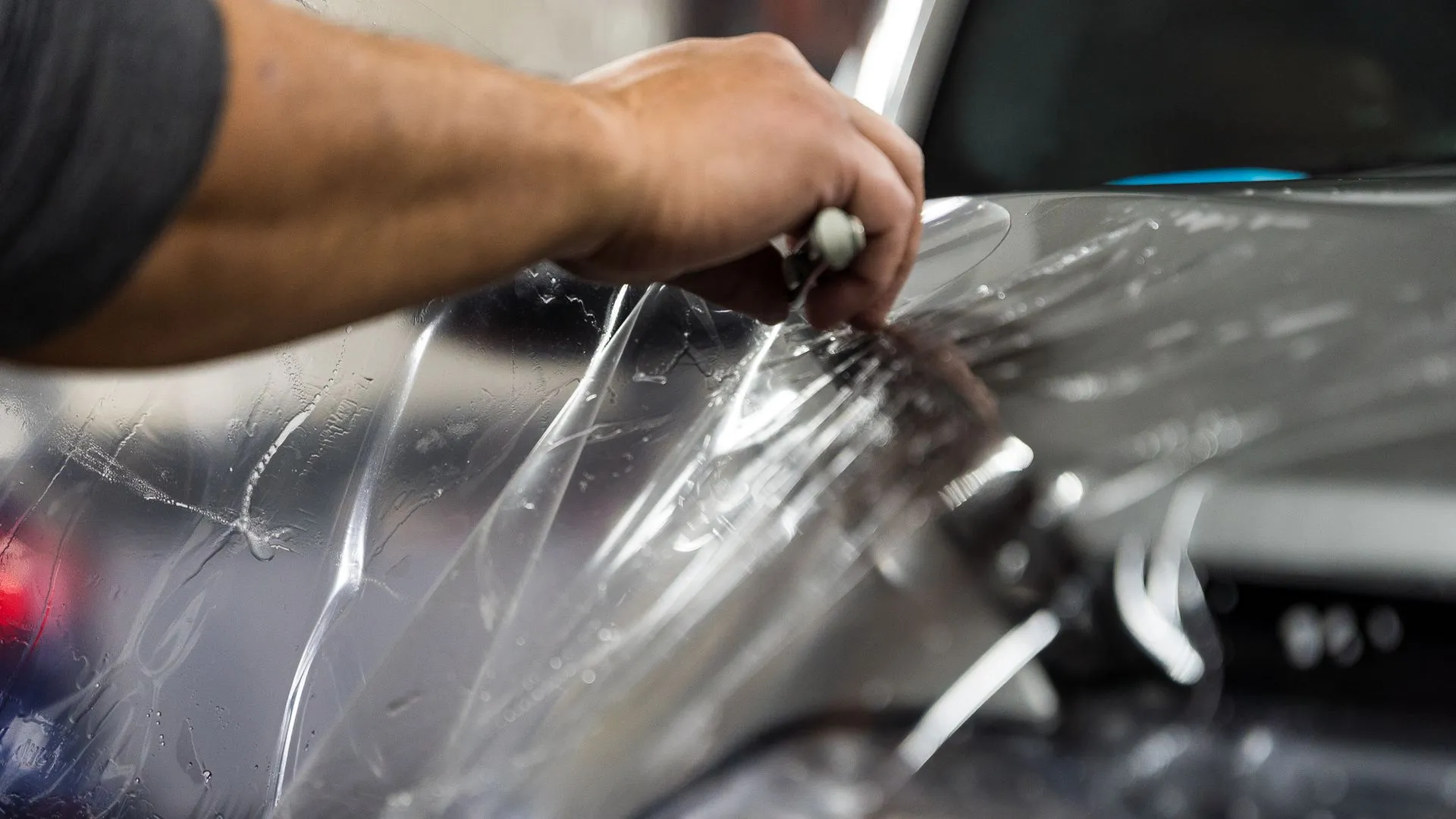
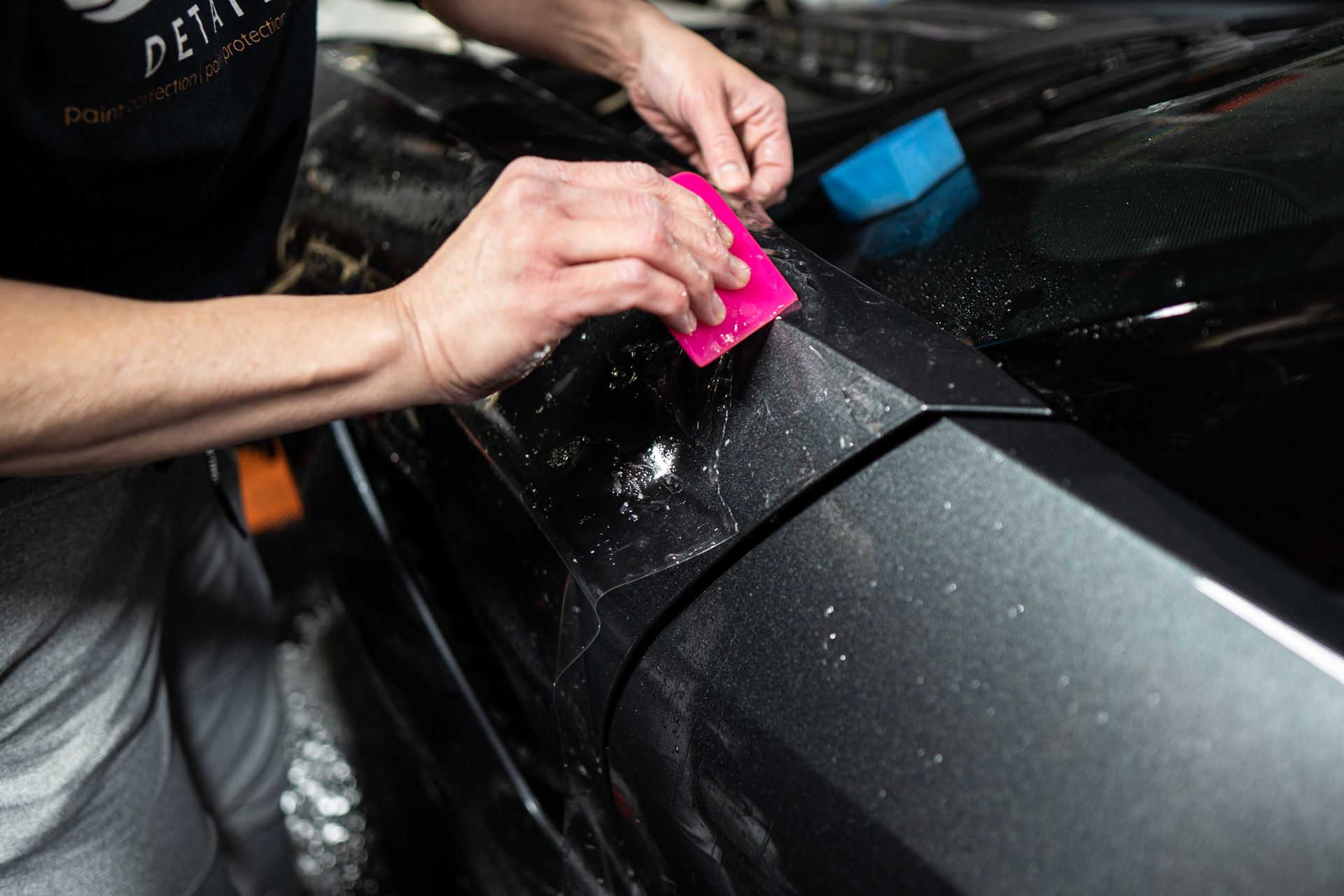
Driving exposes your vehicle to constant road debris impacts. Small stones, gravel, and sand strike your paint at high velocity, causing chips and surface damage. Paint protection film provides physical barrier protection, absorbing energy that would otherwise damage paint.
Chemical exposure from acid rain, bird droppings, bug splatter, road salt, and car wash chemicals all contact your paint. These chemicals can etch into unprotected clear coat within hours. Protection creates chemical resistance, preventing etching and staining.
Optimal Timing for Protection Application
The first month after purchasing your new vehicle represents the sweet spot for protection application. Your paint is still in excellent condition, requiring minimal preparation. You haven't accumulated damage needing correction, and you haven't wasted weeks of unprotected exposure.
This timing allows detailing services to focus on the protection application rather than damage correction. The process takes less time and delivers better results because the paint condition is optimal.
Delaying protection beyond the first month typically means addressing damage before protection can be applied properly. Light swirls from washing, minor surface defects, contamination, and early UV damage all require correction to restore optimal paint condition.
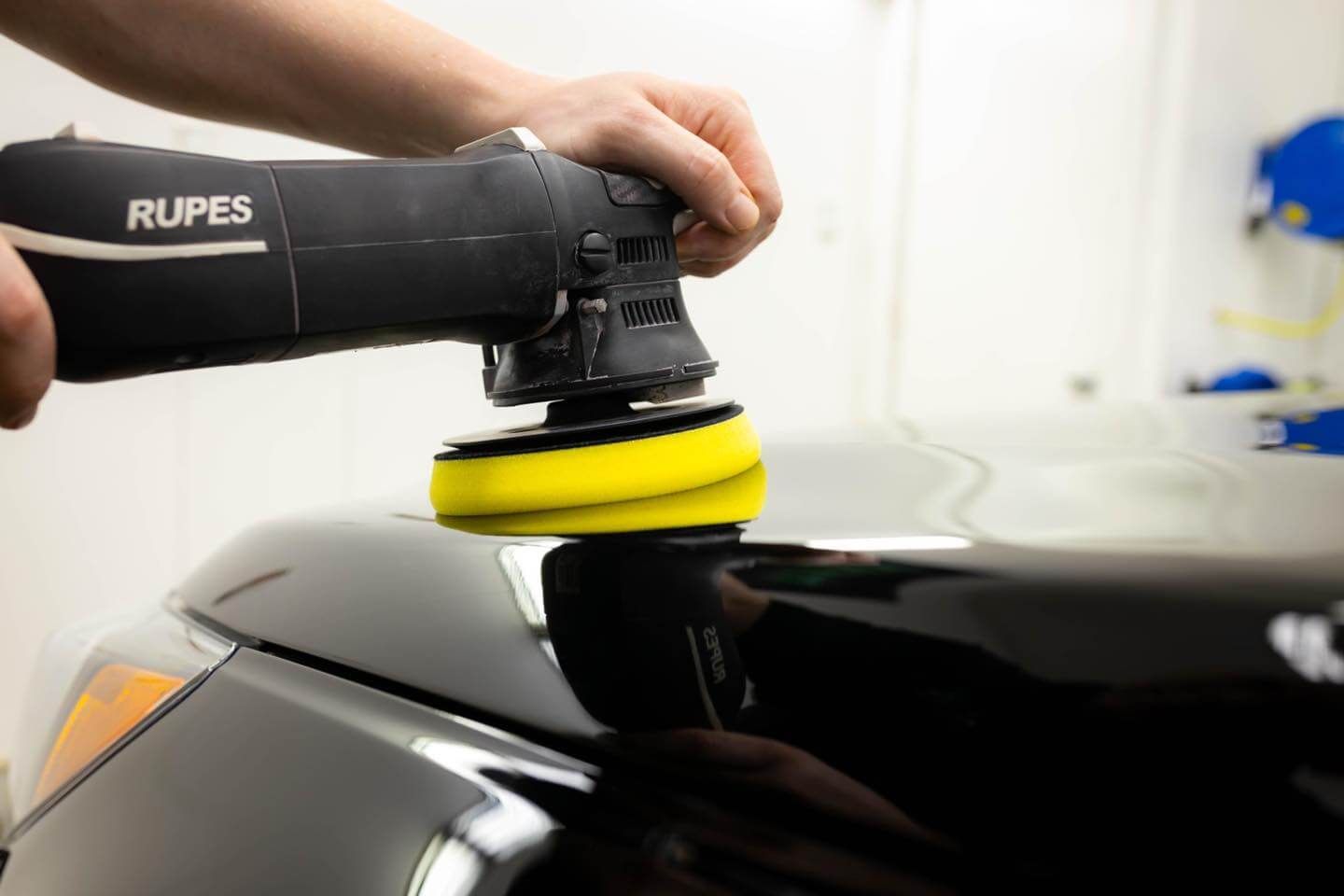
Paint correction adds cost and time to the protection process. The correction also removes clear coat material to eliminate defects, meaning you're starting with less clear coat than when the vehicle was new. Early protection preserves your full, clear coat thickness while avoiding correction costs.
Cost Comparison: Early Protection vs Later Correction
Early protection represents a straightforward investment in preserving what you already have. The paint is perfect, so the protection application is relatively simple without extensive correction work. This investment immediately begins providing value through damage prevention.
Waiting creates several cost categories, making delayed protection more expensive. Correction work becomes necessary to restore the paint condition before protection can be applied properly. This costs money and removes clear coat material that can never be replaced.
Damage accumulation during unprotected periods means your vehicle sustains chips, surface defects, and environmental degradation that protection would have prevented. Even after applying protection, this existing damage remains visible unless corrected first.
Early protection preserves vehicle value more effectively than delayed protection. Maintaining factory-perfect paint throughout ownership creates higher resale value when you eventually sell or trade the vehicle. Buyers pay premiums for vehicles with flawless paint. The cost of early protection often returns through better resale prices.
Protection and Warranty Synergies
Many new vehicles come with protection products or warranties that interact with aftermarket paint protection. Some dealerships include protection packages during purchase. Understanding what your vehicle already has helps determine what additional protection makes sense.
Dealership-applied products typically provide short-term protection using conventional technologies. Many new car owners choose to enhance or replace dealership protection with superior aftermarket options.
New vehicle warranties cover paint defects but typically exclude environmental damage like stone chips, surface defects, or UV degradation. Paint protection doesn't affect factory warranty coverage because it's an additional protective layer, not a replacement for factory paint.
Quality protection might help maintain conditions required for some warranty coverages by preventing damage that could be attributed to neglect. Keeping your vehicle in excellent condition supports warranty claims if needed.
Making the Protection Decision
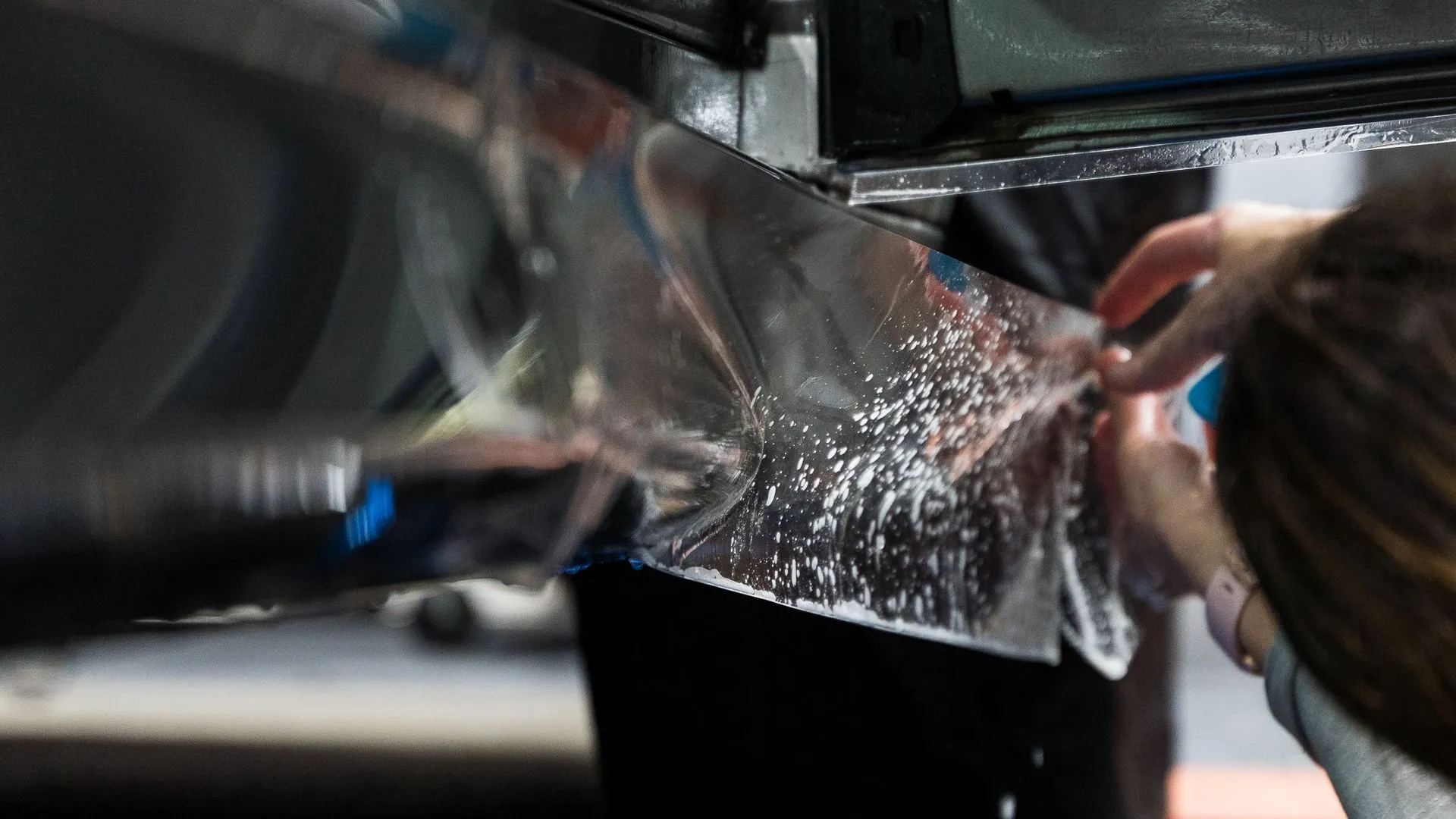
Choosing to protect your new vehicle's paint represents a proactive investment in preservation rather than reactive spending on correction.
Your vehicle's paint is in its best condition right now. Every day of unprotected exposure allows damage accumulation that protection would prevent. The first month represents optimal timing for the protection application that maximizes results while minimizing costs.
Five Star Automotive Detailing helps new car owners understand their protection options and timing considerations. We work with professionals who want to protect their significant vehicle investments optimally from the start.
Quality new car paint protection means taking action while your paint is still perfect rather than waiting until damage requires correction.
Contact us to schedule a protection consultation within your first month to explore options and timing for optimal paint preservation.
Frequently Asked Questions
Is it really necessary to protect a brand-new car's paint?
While new factory paint is in excellent condition, it immediately begins facing environmental threats, causing cumulative damage. UV radiation starts oxidation processes, airborne contaminants embed in paint, and road debris causes chips and surface defects from day one. Protection preserves paint condition far more effectively than leaving it unprotected. Early protection prevents damage rather than correcting it later, which proves more cost-effective and maintains optimal appearance throughout ownership.
How soon after buying a new car should I get paint protection?
The first month of ownership represents optimal timing for paint protection application. Your paint is still in pristine factory condition without accumulated damage requiring correction. Applying protection during this period captures the best results at the lowest cost because minimal preparation is needed. Some owners arrange protection before taking delivery. Others schedule within the first few weeks. The key is acting before significant damage accumulates, requiring correction before the protection application.
Will protecting my new car help with resale value?
Yes, maintaining excellent paint condition through early protection directly supports higher resale values. Buyers pay premiums for vehicles with flawless paint showing no swirl marks, chips, or fading. Protected vehicles maintain that showroom appearance throughout ownership, creating strong first impressions during sales. Documentation of professional protection also demonstrates proper vehicle care, which appeals to buyers and supports higher valuations.
Can I wait a few months and still get good protection results?
You can apply protection anytime, but waiting reduces the advantages of early protection. Each month of unprotected exposure allows damage accumulation - swirl marks from washing, contamination bonding with paint, UV degradation beginning, and road debris impacts. This damage requires correction before protection application, adding cost and removing clear coat material. Protection still works on corrected paint, but you've lost the opportunity to preserve pristine factory condition.
Does early paint protection void my new car warranty?
No, professional paint protection does not void factory warranties. Protection products like ceramic coating and paint protection film add a protective layer over factory paint without altering or replacing the paint system itself. Factory warranties cover paint defects, which protection doesn't affect. Maintaining excellent paint condition through protection may support warranty claims by demonstrating proper vehicle care. Quality professional protection applied over factory paint preserves rather than compromises warranty coverage.