One of the most common questions I hear at the shop is about getting tint to look the same across every window. Folks want their car, truck, or SUV to look intentional and put together.
Understanding window tint shades and how they work across different glass types helps you get that consistent, finished appearance.
Why Tint Can Look Different on Different Windows
Before we talk about solutions, it helps to understand why mismatched tint happens. It's not always about using different shades.
The glass itself plays a role. Factory glass varies in its natural tint level from window to window on the same vehicle. Your windshield, front doors, rear doors, and back glass often start with different baseline darkness.
Common reasons for mismatched appearance include:
- Factory glass with varying baseline tints
- Different glass thicknesses affecting how light passes through
- Previous tint jobs done at different times
This is why
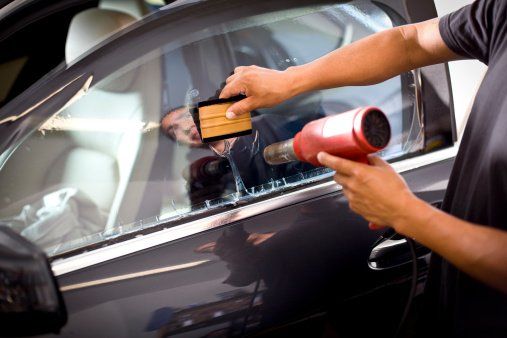
window tinting isn't as simple as picking one shade and applying it everywhere. Getting a matched look requires thinking about the whole vehicle as a system.
How Shade Selection Affects the Final Look
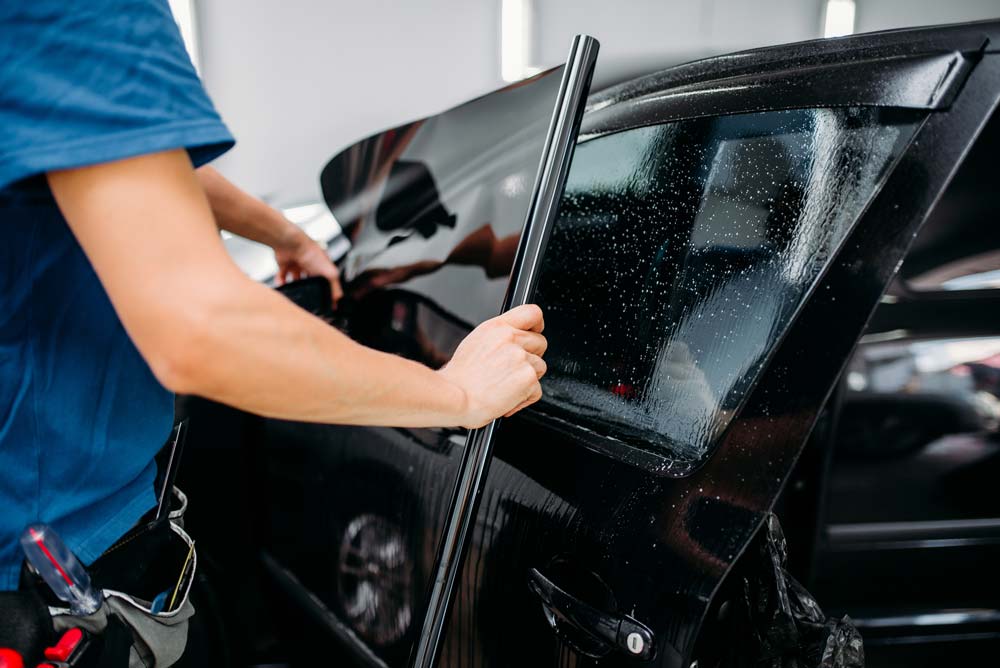
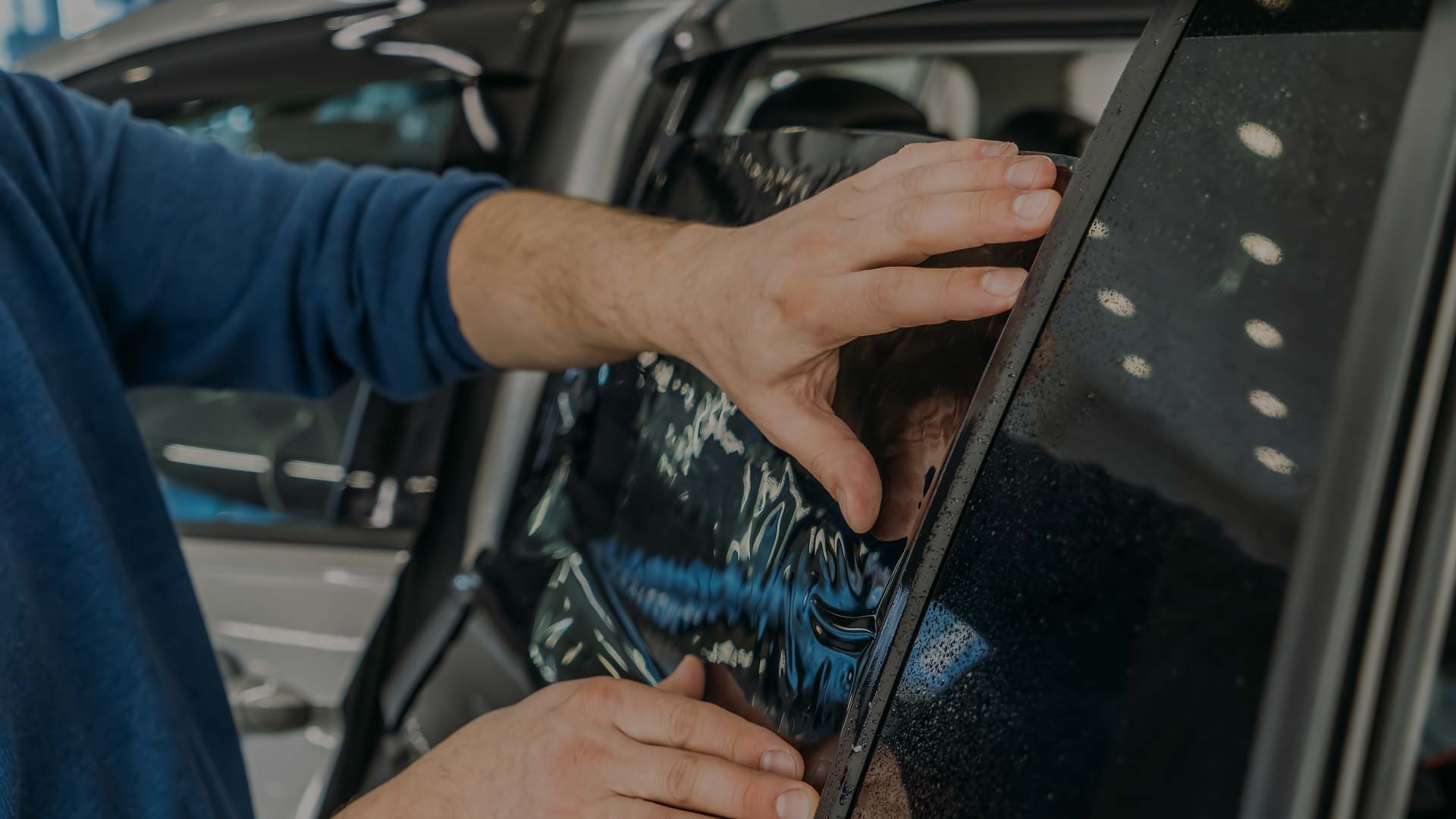
When we talk about window tint shades, we're talking about how much light passes through the film. Lower numbers mean darker tint. Higher numbers mean lighter tint.
The same shade applied to different windows can look different because of what's underneath. A shade that looks perfect on your back glass might look too dark or too light on your front doors.
Factors that affect shade appearance include:
- The starting color and darkness of the factory glass
- Interior colors that show through the glass
- How the vehicle is typically viewed from outside
Getting a consistent look often means using slightly different shades on different windows. Compensating for glass differences creates the uniform appearance you're after.
Front Windows vs Rear Windows
Most vehicles have noticeably different glass between front and rear sections. Manufacturers often use privacy glass on rear windows that's already darker from the factory. Front windows typically start much clearer.
This creates a decision point for owners wanting a matched look:
- Tint the front to match the existing darkness of factory rear glass
- Add tint to both front and rear to create a new consistent level
- Work with the natural difference and create a graduated appearance
The key is discussing what matters most to you. Our team can show you what different approaches look like before any work begins.
Legal Considerations That Affect Your Options
I always bring up the legal side because it directly affects shade choices. Every state sets limits on how dark window tint can be, and these limits differ between front and rear windows.
Front side windows usually have stricter requirements than rear windows. This means achieving a perfectly matched appearance across all glass may not be legal in your area.
Things to consider:
- Your state's specific limits for each window position
- Whether medical exemptions apply to your situation
A finished look matters, but so does avoiding tickets. The goal is finding the best possible match within legal boundaries.
Working with Factory Privacy Glass
Many trucks and SUVs come with factory privacy glass on the rear section. This glass is tinted during manufacturing and creates that darker appearance from the factory.
Privacy glass presents both opportunities and challenges:
- It provides a baseline darkness to match toward
- It limits how light you can go on the rear
- It may not match perfectly across all rear windows
Some owners add light tint over factory privacy glass to even out minor variations. Others focus tinting efforts on the front windows to bring them closer to the rear.
The right approach depends on your specific vehicle and goals.
Getting the Consultation Right
The best way to achieve a matched look is starting with a good conversation before any work happens.
During a consultation, we typically cover:
- Your goals for the finished appearance
- Current characteristics of your glass
- Legal limits that apply to your situation
- Different shade combinations and what they achieve
Seeing samples against your actual glass helps more than looking at pictures or charts. Glass color, interior color, and lighting all affect how tint appears in real conditions.
Don't hesitate to ask questions. This is your vehicle, and you're the one who has to be happy with the results.
Realistic Expectations for Matching
I want to be honest about what's achievable. Perfect mathematical matching across all windows is difficult because of the variables involved. What we aim for is an appearance that looks intentional and consistent to the eye.
A well-matched tint job should:
- Look like all the windows belong to the same vehicle
- Avoid obvious transitions or mismatched sections
- Present a clean, finished appearance from outside
The goal is visual consistency, which sometimes requires slight shade variations to accomplish.
Your Vehicle, Your Choice
Getting matched window tint shades across your whole vehicle is achievable with the right planning. It takes understanding how glass differences affect appearance and making smart shade selections.
Five Star Automotive Detailing enjoys helping owners think through these decisions. We'll look at your specific vehicle and recommend an approach that gives you the finished look you're after.
Contact us to schedule a consultation and see how different shade options look on your glass.
Frequently Asked Questions
Why does the same tint shade look different on my front and back windows?
Factory glass varies in its natural tint level across different windows. Your front doors typically start much clearer than rear windows, which often have factory privacy glass. When you apply identical tint to glass with different starting points, the results look uneven. Achieving visual consistency often requires using slightly different shades to compensate.
Can I get my front windows to match my dark rear windows?
This depends on your state's legal limits for front window tint. Many states allow darker tint on rear windows than front, which limits how closely you can match. We can help you find the darkest legal option for your front windows and discuss whether that achieves the look you want.
Will tinting over factory privacy glass help with matching?
Adding light tint over factory privacy glass can help even out minor variations between rear windows. However, it also makes those windows darker overall. Whether this helps depends on your specific situation and goals.
How do I know what shades will look best on my vehicle?
The best approach is seeing samples against your actual glass during a consultation. Interior colors, glass characteristics, and lighting all affect how tint appears. Looking at your specific vehicle gives better guidance than general charts.
Is perfect matching across all windows actually possible?
Perfect mathematical matching is difficult due to glass variations. What we achieve is visual consistency that looks intentional and clean. The goal is an appearance where all windows seem to belong together.