Making informed decisions about window tinting requires understanding realistic longevity expectations. Window tint lifespan varies significantly based on multiple factors, and honest information helps professionals calculate true long-term value.
Some tint installations last far longer than others. Understanding why helps you make smarter investment decisions and plan appropriately for eventual replacement.
Professional Tint Average Lifespan Ranges
Quality professional window tint typically provides functional performance for many years when properly installed and maintained. However, lifespan varies considerably based on film quality and environmental factors.
General lifespan expectations include:
- Entry-level films often show degradation within a few years
- Mid-range quality films typically perform well for several years
- Premium films frequently maintain the appearance and function for a decade or longer
These ranges represent typical performance rather than guaranteed outcomes. Individual results depend on installation quality, environmental exposure, and maintenance practices.
The distinction between film tiers matters more for longevity than initial appearance. Two films might look identical at installation but perform very differently over time.
Quality Factors Affecting Durability
Film construction and materials directly impact how long window tint maintains its appearance and performance.
Key quality factors include:
- Dye stability that resists fading and color shift
- Adhesive quality affecting long-term bonding
- UV inhibitors that protect against sun damage
- Metal or ceramic particles provide heat rejection
Dyed films represent the most affordable option but typically show color change earliest. The dyes break down under UV exposure, causing purple or brown discoloration.
Ceramic films represent the premium tier, using non-metallic particles that provide excellent heat rejection and UV stability. These films typically offer the longest lifespan without signal interference concerns.
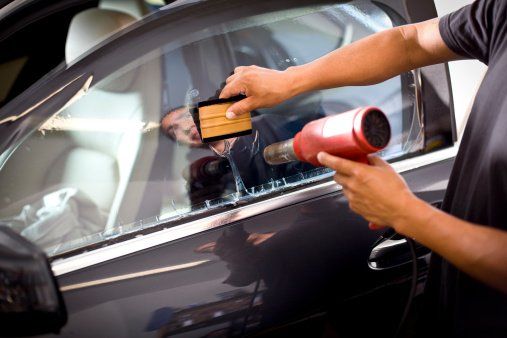
Installation quality affects longevity regardless of film quality. Working with professional detailing services ensures proper surface preparation and edge sealing that maximizes lifespan potential.
Environmental Impact on Tint Longevity
Where and how you use your vehicle significantly affect window tint lifespan. Environmental factors accelerate or slow degradation in ways that matter for planning.
Environmental considerations include:
- Sun exposure intensity and duration
- Climate extremes affecting adhesive performance
- Humidity levels influencing edge adhesion
- Parking habits and garage availability
Vehicles parked outdoors in intense sun climates face accelerated degradation compared to garaged vehicles in moderate climates. The same film might last significantly longer in one environment than another.
Geographic location matters considerably. Desert climates with intense UV exposure stress films more than northern climates with less intense sun. Understanding your specific situation helps set realistic expectations.
Maintenance Practices for Maximum Lifespan
Proper care extends window tint lifespan without requiring complicated routines. Simple practices protect your investment and delay replacement needs.
Effective maintenance practices include:
- Using ammonia-free cleaning products
- Avoiding abrasive materials on tinted surfaces
- Allowing proper cure time after installation
- Addressing edge lifting promptly
Ammonia-based cleaners break down tint adhesive over time, causing premature failure. Most household glass cleaners contain ammonia, making tint-safe alternatives worth seeking out.
Cleaning technique matters beyond product selection. Soft cloths or microfiber materials clean effectively without damaging film surfaces.
Addressing minor issues early prevents major problems. Small edge lifts can often be repaired if caught promptly. Left unaddressed, moisture enters and causes progressive delamination requiring full replacement.
Warning Signs of Tint Degradation
Recognizing degradation signs helps you plan replacement timing rather than experiencing sudden failure.
Common degradation indicators include:
- Color shift toward purple, brown, or faded appearance
- Bubbling or blistering in the film
- Edge peeling or lifting from glass
- Haziness reduces visibility or clarity
Color change often appears first, particularly in dyed films. The shift may be gradual enough that you don't notice until you compare against a new tint on other vehicles.
Bubbling indicates adhesive failure, allowing air or moisture to enter between the film and the glass. Large or spreading bubbles typically require replacement.
Edge lifting creates entry points for moisture that accelerates further degradation. Once moisture enters, the delamination process often spreads beyond the original lift point.
Replacement Timing and Cost Considerations
Planning for eventual replacement helps manage long-term vehicle protection costs.
Replacement timing factors include:
- Functional performance degradation affecting heat rejection
- Appearance degradation affecting vehicle presentation
- Safety concerns from reduced visibility
- Upcoming vehicle sale or lease return
Functional degradation matters even when appearance remains acceptable. Films losing heat rejection capability no longer provide the benefits justifying their presence.
Safety concerns override aesthetic considerations. Films reducing visibility or creating glare should be replaced regardless of other factors.
Replacement before vehicle sale can improve resale value by more than the replacement cost. Fresh tint presents better than degraded film and signals proper vehicle maintenance to buyers.
Making Informed Tint Decisions
Realistic window tint lifespan expectations help professionals make informed investment decisions. A quality film professionally installed and properly maintained represents genuine long-term value rather than repeated replacement expense.
Understanding the factors affecting longevity helps you maximize your specific situation. Your climate, parking habits, maintenance practices, and quality selection all influence how long your tint investment performs.
Five Star Automotive Detailing helps vehicle owners understand realistic expectations for their specific situations. We discuss film options, installation quality, and maintenance practices that maximize your investment value.
Contact us to discuss realistic lifespan expectations and learn about tint options designed for longevity and value.
Frequently Asked Questions
How long should I realistically expect quality window tint to last?
Quality professional window tint typically performs well for many years, with premium ceramic films often lasting a decade or longer. However, actual lifespan depends on film quality, installation expertise, environmental exposure, and maintenance practices. Entry-level films may show degradation sooner. Your specific situation determines realistic expectations more than general averages.
What causes window tint to fail prematurely?
Premature failure typically results from poor installation, low-quality film, harsh environmental exposure, or improper maintenance. Installation issues include inadequate surface preparation or poor edge sealing. Using ammonia-based cleaners accelerates adhesive breakdown. Intense sun exposure stresses films faster than moderate conditions. Often, multiple factors combine to cause earlier-than-expected degradation.
Can I extend my window tint lifespan with better maintenance?
Yes, proper maintenance significantly extends tint lifespan. Using ammonia-free cleaners, avoiding abrasive materials, and addressing edge lifts promptly all contribute to longer performance. Parking in shade when possible reduces UV stress. These simple practices make meaningful differences over years of ownership without requiring complicated routines.
When should I replace window tint even if it looks acceptable?
Consider replacement when functional performance degrades, even if appearance remains acceptable. Films losing heat rejection capability no longer provide their primary benefits. Safety concerns from reduced visibility warrant immediate replacement. Before selling your vehicle, fresh tint often improves resale value by more than the replacement cost.
Does climate affect how long window tint lasts?
Climate significantly impacts tint longevity. Intense sun climates accelerate UV degradation compared to moderate climates. Desert heat stresses films more than northern locations. Vehicles garaged in moderate climates may see their tint last significantly longer than outdoor-parked vehicles in harsh environments.