
If you drive through a Minnesota winter, you know what happens on the roads. The plows come through, and right behind them comes the salt and brine that keeps us moving safely. That stuff works great on ice. But underneath your car? That's a different story.
A lot of folks think undercoating is something only work trucks need. The truth is, your everyday commuter takes the same beating from road salt as any heavy-duty pickup. Maybe more, since most of us drive our regular cars and SUVs every single day through the worst of it.
What Minnesota Road Salt Does to Your Vehicle
Road salt lowers the freezing point of water, keeping ice from forming on pavement. The problem is that same salt splashes up onto every surface underneath your vehicle, and then it sits there.
Salt accelerates corrosion in ways plain water doesn't. When salty moisture contacts bare metal, it speeds up rusting significantly. The underside of your vehicle has plenty of exposed metal:
- Frame rails and crossmembers
- Brake lines and fuel lines
- Suspension components
- Exhaust system parts
Minnesota makes this worse because we use brine solution that sticks to surfaces better than dry granules. It clings to your vehicle's underside longer and gets into every seam where moisture collects.
During winter, your vehicle rarely dries out completely underneath. The salt mixture stays wet, and corrosion keeps working. That's months of constant exposure for anyone driving daily.

Why Everyday Drivers Face the Same Risk
There's a common assumption that undercoating is meant for trucks doing heavy work. But think about what your daily commute involves during a Minnesota winter.
You're driving through:
- Freshly salted highways and city streets
- Slush puddles that splash up constantly
- Parking lots treated with salt and ice melt
Your commuter car or family SUV faces this exposure five days a week. The underside doesn't know the difference between work use and daily driving. Salt is salt, and corrosion doesn't care what you use the vehicle for.
I've seen plenty of everyday cars come in with serious rust damage underneath while the body still looks fine up top. The owner had no idea because you can't see the underside without getting down there.
How Undercoating Helps Slow the Damage
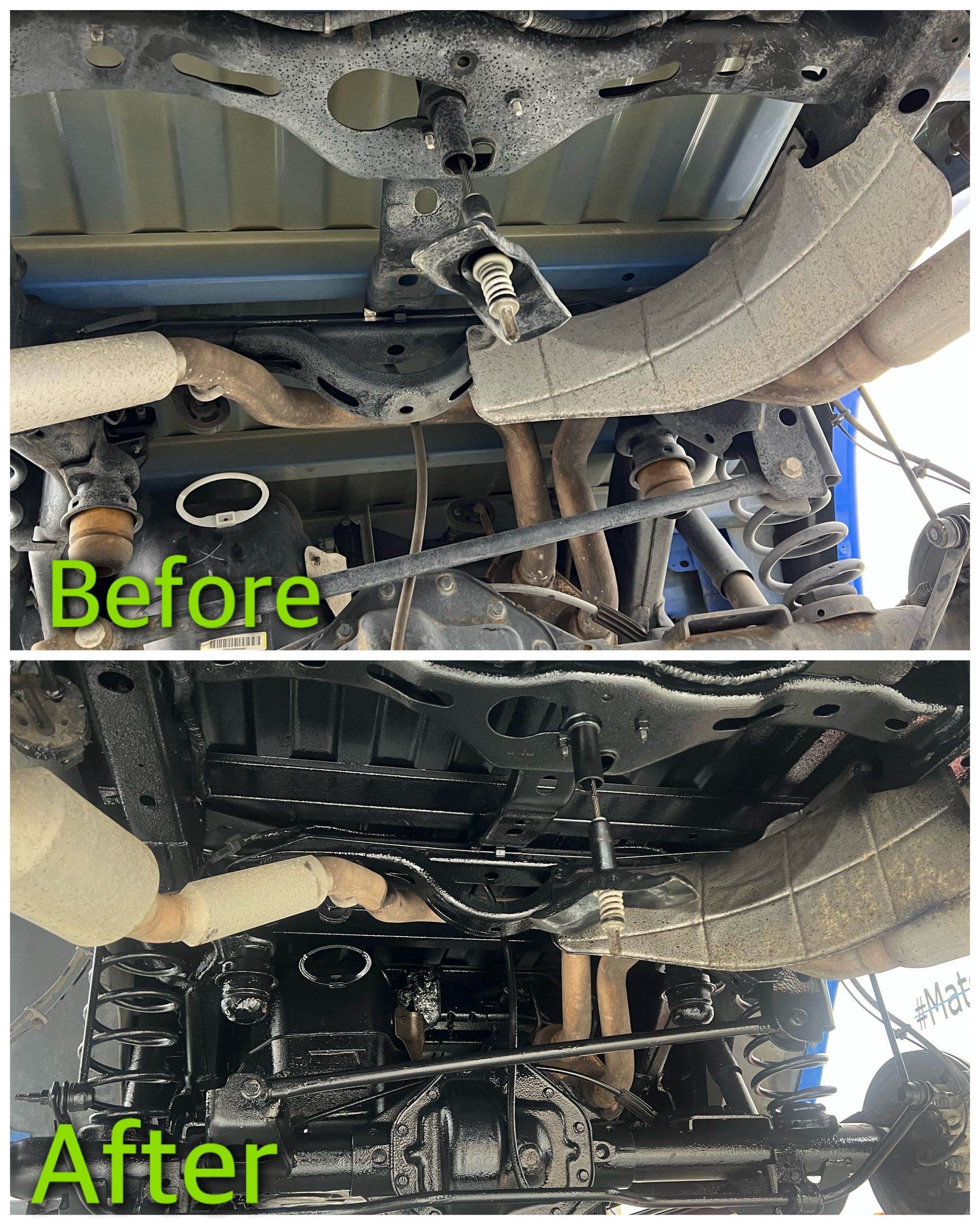
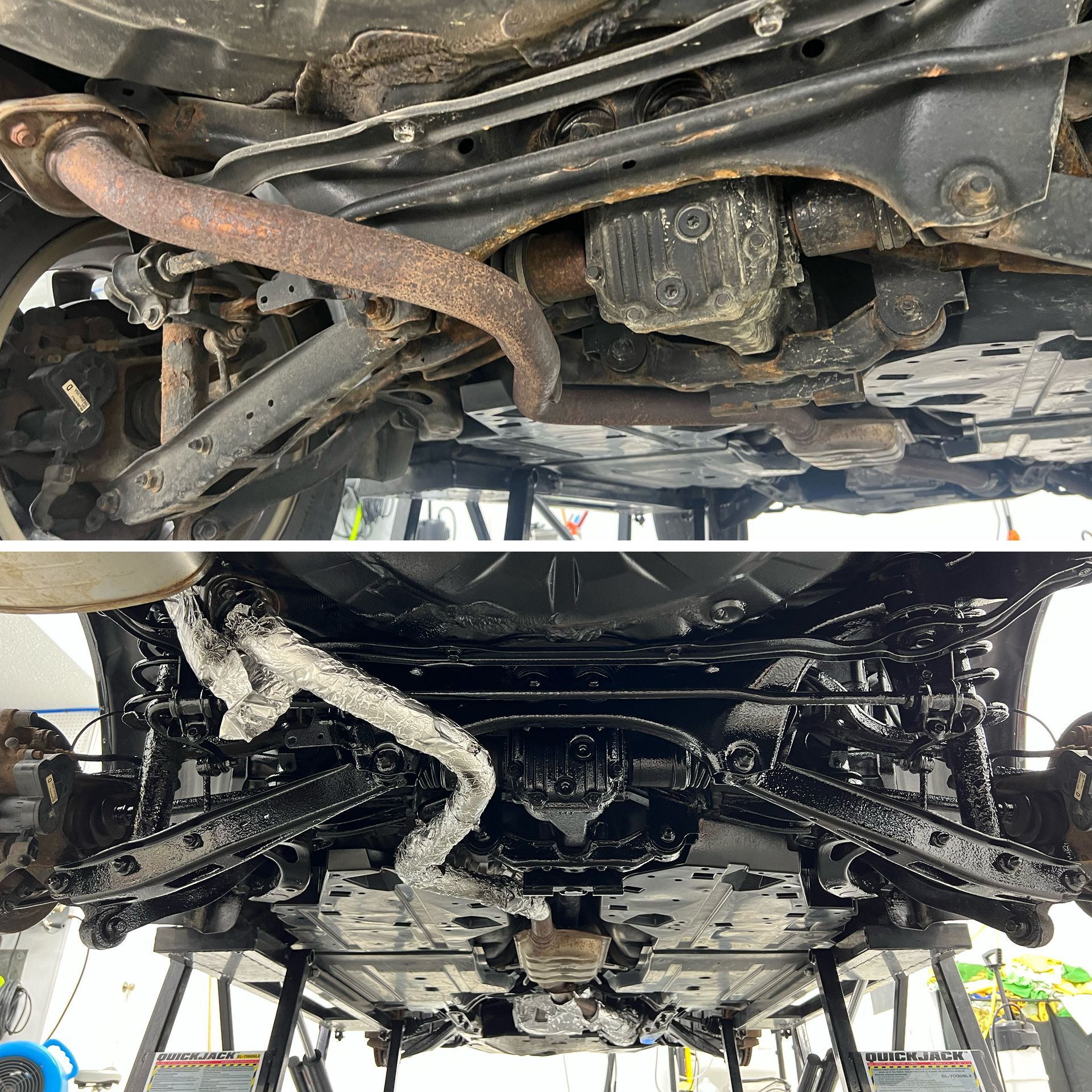
Undercoating creates a protective barrier between vulnerable metal surfaces and the salt-laden moisture attacking them. It doesn't make your vehicle invincible, but it changes the equation in your favor.
The service applies a protective layer to the underside components most exposed to road spray:
- Reduces direct contact between salt and bare metal
- Creates separation that moisture has trouble penetrating
- Protects seams and joints where corrosion often starts
I want to be straight with you. Undercoating isn't a permanent solution that makes rust impossible forever. Conditions in Minnesota are tough, and no protective measure holds up indefinitely. But it gives your vehicle's underside significantly better odds than facing those conditions unprotected.
Think of it like wearing a good coat in winter. The coat doesn't make you immune to cold, but it helps you handle it better.
Signs Your Vehicle May Already Have Issues
If you've been driving Minnesota winters without protection, your vehicle may already show effects underneath:
- Visible rust on exposed frame components
- Brake or fuel lines showing corrosion
- Exhaust components deteriorating faster than expected
You don't need to crawl under your car yourself. Our team at Five Star Automotive Detailing can assess what's happening down there and give you an honest picture when you bring your vehicle in.
If rust is already present, undercoating can still help slow further progression. It won't reverse existing damage, but it protects areas that haven't been affected yet.
When Undercoating Makes the Most Sense
The best time to apply undercoating is when a vehicle is new, before corrosion starts. Starting with clean surfaces gives the protection the best chance to work effectively.
That said, it's not now-or-never. Vehicles with existing exposure can still benefit. Key factors to consider:
- How many more Minnesota winters you plan to keep the vehicle
- Current condition of the underside
- Whether you're seeing signs of rust starting
For folks planning to keep their car, truck, or SUV several more years, the service often makes sense. It fits the same thinking as regular oil changes. You're extending care to parts you can't see.
Practical Expectations for Everyday Drivers
I always set realistic expectations. Undercoating helps, but it's not magic. Here's what you can reasonably expect:
- Better protection than leaving the underside exposed
- Slower progression of rust and corrosion
- Extended useful life for vulnerable components
What you shouldn't expect is a permanent guarantee that rust will never happen. Minnesota winters are relentless, and protective measures require periodic attention.
The goal isn't perfection. The goal is giving your everyday driver a better fighting chance against conditions that take a real toll over time.


Worth Considering for Your Vehicle
If you drive through Minnesota winters regularly, your vehicle's underside faces conditions that accelerate corrosion. That's the reality of living here.
Undercoating gives everyday drivers a practical option for addressing that reality. It's not just for work trucks. It's for anyone who wants to take better care of what's underneath.
Five Star Automotive Detailing is happy to answer questions about whether this service fits your situation.
Contact us to discuss your vehicle's condition and learn whether undercoating makes sense for your daily driving.
Frequently Asked Questions
Is undercoating only for trucks and work vehicles?
Not at all. Everyday cars and SUVs face the same road salt exposure as any truck. If you're driving through Minnesota winters regularly, your commuter vehicle's underside takes constant abuse from salt and brine. The service helps protect any vehicle driven in these conditions.
Will undercoating completely prevent rust on my vehicle?
No protective measure completely prevents rust forever, especially in Minnesota conditions. Undercoating significantly reduces corrosion by creating a barrier between salt and metal, but it's not permanent. Think of it as giving your vehicle much better odds against tough conditions rather than making it immune.
Can undercoating help if my vehicle already has some rust?
Yes, though it won't reverse existing damage. If rust has started, undercoating can protect areas not yet affected and slow further progression. The sooner you address the situation, the more of your vehicle's underside remains in good condition.
How often does undercoating need attention?
This depends on conditions and the protective layer's current state. Vehicles driven daily through harsh winters face more wear than those driven occasionally. Periodic inspection helps determine when protection may need refreshing.
Is this service worth it for a vehicle I'm only keeping a few more years?
That depends on your situation. The condition of the underside affects resale value, and buyers notice rust damage during inspections. For vehicles you're keeping longer, benefits add up over additional winters of protection.